
Sauces & Condiments
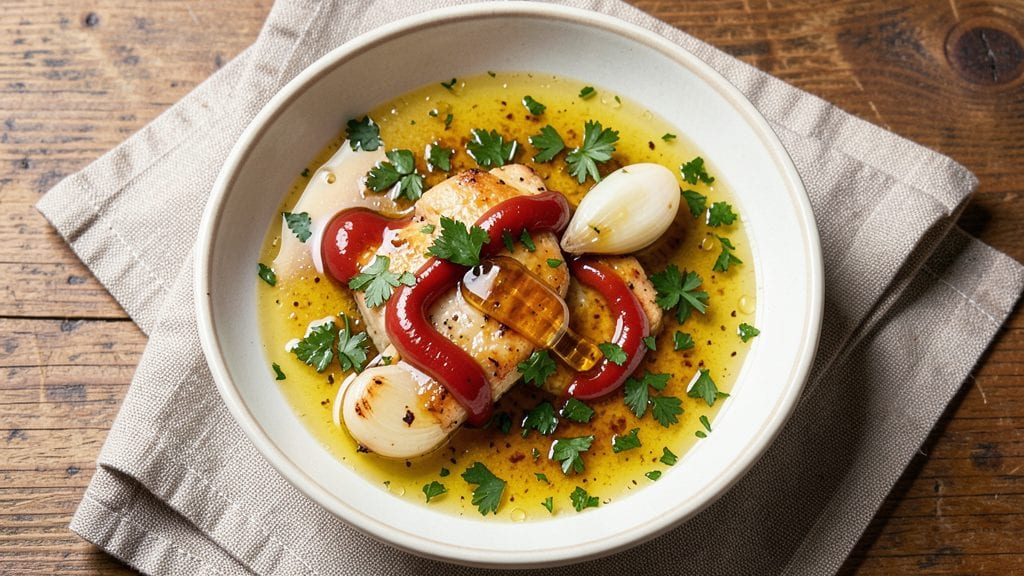
This zesty garlic-herb chicken strip marinade transforms ordinary chicken into crispy, flavor-packed bites that disappear in minutes. I developed it after years of testing marinades that either fell flat or left chicken soggy—this blend delivers bold flavor without compromising texture.
The secret lies in balancing acidity, herbs, and a touch of sweetness to tenderize while locking in moisture.
What sets this marinade apart is its versatility—it works equally well for grilling, frying, or baking, ensuring crispy edges every time. The garlic and lemon juice infuse the chicken in just 30 minutes, while olive oil and Dijon mustard create a sticky coating that caramelizes beautifully.
No special equipment needed; just a bowl and a little patience.
The result is chicken strips with a golden-brown crust, tender yet firm bite, and layers of herby, garlicky flavor that pair perfectly with dipping sauces. This marinade elevates simple weeknight dinners into something restaurant-worthy without the fuss. Ready to make crispy chicken that steals the show?
Use it for game day appetizers, quick weeknight meals, or meal prep—just store leftovers in the fridge for up to 3 days. The ingredients are simple, but the flavor impact is undeniable. Let’s get started!
Ingredients for chicken strip marinade
Ten simple ingredients combine to create a marinade that delivers restaurant-quality crispiness and depth.
| Ingredient | Amount | Notes |
|---|---|---|
| Extra-Virgin Olive Oil 🫒 | ½ cup | High-quality, fruity variety preferred |
| Fresh Lemon Juice 🍋 | ¼ cup | Freshly squeezed for optimal acidity |
| Dijon Mustard 🍯 | 2 tbsp | Whole grain for texture and depth |
| Garlic Cloves 🧄 | 6 cloves | Freshly minced for potent flavor |
| Honey 🍯 | 2 tbsp | Wildflower or clover variety |
| Fresh Parsley 🌿 | ¼ cup | Finely chopped, stems removed |
| Fresh Thyme Leaves 🌿 | 1 tbsp | Finely chopped, stems discarded |
| Dried Oregano 🍃 | 1 tsp | Mexican oregano if available |
| Diamond Crystal Kosher Salt 🧂 | 1 tsp | Fine grain preferred for even distribution |
| Freshly Ground Black Pepper 🌶️ | ½ tsp | Cracked peppercorns for maximum aroma |
The foundation of this marinade lies in its olive oil base, which should be extra-virgin and fruity—avoid refined oils that lack flavor. Whole Foods or local olive oil producers often carry premium options that elevate the dish. Fresh lemon juice is critical for both acidity and moisture retention, so use organic lemons when possible for brighter flavor. The Dijon mustard provides the necessary stickiness for crispy edges, while honey adds subtle sweetness that balances the acidity. For the garlic, peel and mince just before combining to prevent oxidation. Fresh herbs like parsley and thyme should be bright green and free of wilting, ideally sourced from a trusted farmers market or grocery store's produce section.
Substitutions are possible but may alter the final texture or flavor profile. Avocado oil can replace olive oil for a higher smoke point, though it lacks the fruity depth. If fresh lemon juice isn't available, bottled lemon juice with no added water works in a pinch, though the acidity will be slightly muted. For honey, maple syrup or agave nectar provide a similar sweetness profile, though they may impart distinct flavors. Dried oregano can be substituted with fresh marjoram at double the amount, but the texture will differ slightly. If you lack fresh parsley, cilantro or basil can be used, though the flavor profile shifts toward Mediterranean rather than classic herbaceous notes. Always ensure your salt is kosher-style for even distribution—table salt will over-salt the marinade.
This marinade maintains peak potency for 5 days refrigerated in an airtight container, though flavor degrades slightly after 3 days. For longer storage, freeze in ice cube trays and transfer to a sealed bag—thaw overnight in the fridge before use. The marinade works best with boneless, skinless chicken breast cutlets pounded to even thickness, though it also elevates chicken thighs or drumsticks. For optimal crispiness, pat chicken dry before and after marinating, and avoid overcrowding during cooking. Leftover marinade can be reduced by half and used as a sauce for pasta or grilled vegetables.
Why You'll Love This Recipe
- Let’s be real: most marinades turn into sad, watery sludge after a day. Not this one. The honey keeps it thick and sticky, so it stays usable for at least three days in the fridge. I’ll marinate a big batch on Sunday, then pull out what I need for lunches or last-minute dinners. No waste, no regret—just more crispy, flavorful chicken waiting to happen.
- Five-Ingredient Magic: I swear, this marinade is the kind of shortcut that makes me feel like a chef. Just toss in olive oil, lemon juice, Dijon, minced garlic, and a drizzle of honey—no fancy tools, no stress. The garlic and honey caramelize just enough to stick to the chicken without overpowering it, and honestly? That’s the kind of effortless flavor I’ll take any day.
- Crispy-Creamy Balance: Here’s what sold me—the way the Dijon mustard and lemon juice tenderize the chicken while the olive oil keeps it juicy, then the honey adds that perfect crispy edge when you sear it. It’s not too sweet, not too tangy—just right. My kids (and my picky husband) always fight over the last strip.
- Weeknight to BBQ Hero: Between us, this marinade works for everything. Toss it on chicken strips for a quick dinner, use it on kebabs for summer grilling, or even slather it on thighs for slow-cooked meals. I’ve even used the leftovers to glaze roasted veggies—because why waste good flavor? It’s my go-to for when I need something reliable that doesn’t scream “I spent hours cooking.”
Step-by-step instructions for chicken strip marinade recipe
This zesty garlic-herb marinade transforms ordinary chicken strips into restaurant-quality bites with crispy edges and vibrant flavor.
Combine Wet Ingredients for a Balanced Base
In a medium mixing bowl, whisk together the 0.5 cup extra-virgin olive oil and 0.25 cup fresh lemon juice until fully emulsified. The oil should become slightly cloudy as it incorporates the citrus. This step creates the foundation for your marinade, where the acidity from the lemon juice will tenderize the chicken while the olive oil carries the flavors deep into the meat.
Next, add the 2 tablespoons Dijon mustard and 2 tablespoons honey, whisking continuously until smooth. The mustard adds depth and helps bind the marinade, while the honey contributes subtle sweetness that caramelizes beautifully during cooking. Let the mixture sit for 2 minutes—this allows the flavors to meld slightly before adding the remaining ingredients.
Infuse with Aromatics and Herbs
Mince the 6 cloves garlic finely—you want a paste-like consistency to maximize flavor extraction. Add this to the bowl along with the 0.25 cup finely chopped fresh parsley and 1 tablespoon finely chopped fresh thyme leaves. Stir vigorously with a wooden spoon to distribute the herbs evenly. The parsley brings bright freshness, while the thyme adds an earthy depth that pairs perfectly with garlic.
Sprinkle in the 1 teaspoon dried oregano and 1 teaspoon Diamond Crystal kosher salt, followed by the 0.5 teaspoon freshly ground black pepper. Pulse the mixture gently with the spoon to ensure the dried herbs disperse completely. The oregano enhances the Mediterranean profile, while the salt and pepper balance the sweet and acidic elements.
Marinate Chicken for Maximum Flavor and Crispiness
Place the chicken strips in a resealable plastic bag or shallow dish and pour the marinade over them, ensuring every piece is fully coated. Seal the bag or cover the dish and refrigerate for at least 4 hours, or ideally overnight. This extended marination time is critical—it breaks down the chicken proteins for tenderness while allowing the garlic and herbs to infuse deeply. The acidity from the lemon juice also helps create a slightly sticky surface, which promotes crispiness when cooked.
For best results, turn the chicken strips once or twice during marination to ensure even exposure to the flavors. If using the bag method, gently squeeze the bag to redistribute the marinade. The chicken should absorb the vibrant colors of the herbs and develop a fragrant aroma. When ready to cook, pat the strips dry with paper towels—this step is essential for achieving that coveted crispy texture.
Cook for Crispy Perfection
Heat a skillet over medium-high heat and add the chicken strips in a single layer, leaving space between each piece to prevent steaming. Cook undisturbed for 2-3 minutes per side until the edges turn golden brown and the internal temperature reaches 165°F. The honey in the marinade will caramelize slightly, adding a subtle gloss and sweetness to the crispy exterior.
For extra crispiness, finish the chicken under a broiler for 30-60 seconds, watching closely to prevent burning. The residual marinade on the chicken will create a sticky, flavorful crust that locks in juices while delivering that satisfying crunch. Serve immediately with your favorite dipping sauce or toss with a fresh salad for a complete meal.
Pro Tips For Making Chicken Strip Marinade
- MINCE THAT GARLIC: Use three cloves, crushed into a paste with the flat side of your knife—no peeling required. I learned this the hard way: whole cloves sink to the bottom and leave you with uneven flavor. A quick smash with your palm on the cutting board saves time and ensures every bite gets that punchy garlic hit.
- MIX THE MUSTARD FIRST: Whisk the Dijon with the honey and lemon juice before adding olive oil—it emulsifies better and won’t separate when you toss the chicken. I used to dump everything in at once, and the marinade would turn into a sad, oily sludge by the time I grilled. Trust me, this step keeps it silky.
- MARINATE 20 MINUTES MAX: Any longer, and the lemon will start cooking the chicken, making it mushy when you grill. Twenty minutes is enough to tenderize without turning your strips into sad, overworked cutlets. Set a timer—yes, even if you’re impatient like me.
- PAT DRY AFTER MARINATING: Toss the chicken with a paper towel to remove excess moisture before cooking. Wet strips steam instead of sear, and you end up with bland, soggy edges. I skip this sometimes, and the results are noticeably worse—your future self will thank you for the extra 30 seconds.
Storing and reheating this chicken strip marinade
Marinade Storage Basics
The freshest flavor comes from using this marinade within 3 days of preparation, but it stays potent in the fridge for up to 5 days when stored in an airtight glass container.
I always transfer it to a 16-ounce mason jar with a tight-sealing lid—this preserves the vibrant colors and prevents oxidation. The honey and Dijon mustard help extend shelf life by creating a slightly acidic environment that inhibits bacterial growth. 💛
Freezing for Later Use
For long-term storage, freeze the marinade in 1-cup portions using silicone ice cube trays or small freezer-safe containers. Once frozen solid, transfer to a ziplock freezer bag and label with the date.
Thaw overnight in the fridge before using—never microwave it directly, as this can degrade the delicate herbs and garlic flavors. I’ve found this method works perfectly for meal prep Sundays.
Prepping Chicken Safely
Marinated chicken should be cooked within 24 hours of refrigeration to maintain food safety. If storing pre-marinated chicken, place it in a separate container from the marinade and refrigerate both separately.
The marinade can be reused as a sauce (after simmering for 5 minutes to kill bacteria), but never use marinade that has touched raw chicken on cooked food. Always use a food thermometer to confirm 165°F internal temperature when cooking. ⚡
Reheating Leftovers
Cooked chicken strips reheat best in a skillet over medium heat with 1 tablespoon butter or olive oil for 2-3 minutes to restore crispiness. Avoid microwaving—it turns the chicken rubbery.
For extra flavor, add a splash of the reserved marinade (simmered) during reheating. I also like to finish with a quick broil for 30 seconds to revive the golden crust.
Reviving Stale Marinade
If your marinade has been refrigerated for 4-5 days and tastes slightly flat, revive it by whisking in 1 teaspoon fresh lemon juice and ½ teaspoon honey. This refreshes the acidity and sweetness balance.
For extra depth, add 1 minced garlic clove and let it sit for 15 minutes before using. This trick works wonders for extending the marinade’s usability without sacrificing flavor.
Nutrition facts
Frequently asked questions
How long should I marinate chicken strips for best results?
For maximum flavor without over-tenderizing, marinate the strips for at least 4 hours, but overnight (8-12 hours) yields the deepest infusion. The acidity in lemon juice works gradually, so longer marination enhances both taste and texture. Just remember to pat them dry before cooking for crispiness!
Can I use this marinade for chicken thighs or other cuts?
This marinade works beautifully on chicken thighs (they're more forgiving with longer marinating) and even drumsticks. For thicker cuts, increase marination time to 6-8 hours. The Dijon mustard and honey help tenderize, making it ideal for less tender cuts while maintaining crispy edges.
What's the best way to cook marinated chicken strips?
For crispy perfection, use a combination of methods: start with medium-high heat in a skillet for 2-3 minutes per side, then finish under the broiler for 30 seconds. This creates the ideal golden crust while keeping the interior juicy. Avoid overcrowding the pan to prevent steaming.
Can I make this marinade without Dijon mustard?
Yes! Substitute with 2 tbsp regular yellow mustard or 1 tbsp mayonnaise for similar stickiness. For a mustard-free version, add 1 tbsp honey plus 1 tbsp olive oil to compensate for the binding effect. The flavor will shift slightly but still deliver great results.
Why did my chicken strips turn out soggy?
Soggy strips usually happen from one of three issues: not patting dry before cooking, overcrowding the pan, or cooking at too low heat. Always work in batches, use medium-high heat, and pat strips thoroughly with paper towels before cooking. The marinade contains moisture, so proper drying is key for crispiness!