Main Courses
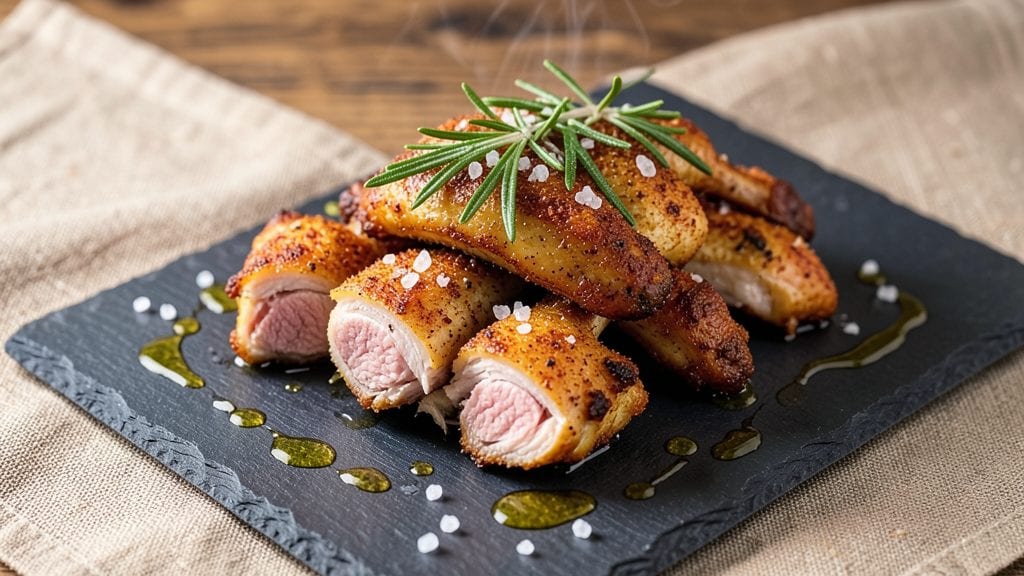
Transforming chicken necks into a smoky-roasted masterpiece proves that waste-free cooking can deliver restaurant-quality results. What starts as a budget-friendly cut becomes a deeply flavorful dish with crispy skin and tender meat, all while embracing zero-waste principles.
The secret lies in slow-roasting at high heat, which renders fat into rich, aromatic drippings that baste the meat throughout cooking.
This method draws inspiration from Southern U.S. traditions where tougher cuts are transformed through low-and-slow techniques, but with a modern twist of high-heat roasting for enhanced crispiness. You'll need just five key ingredients—chicken necks, olive oil, smoked paprika, garlic powder, and salt—to create a dish that's both impressive and simple.
The process takes about 90 minutes but requires minimal hands-on time, making it perfect for weeknight dinners.
By the end, you'll have golden-brown chicken necks with crispy, caramelized edges and meat that pulls apart easily—ideal for serving with crusty bread to soak up all those flavorful juices. The smoky aroma alone will have everyone at the table asking for seconds.
This recipe proves that even less glamorous cuts can become the star of the meal with the right technique.
Pair with roasted potatoes or a fresh green salad to balance the richness, or serve as part of a larger spread for game day. The leftovers reheat beautifully, making this a meal that keeps giving throughout the week.
Let's get started on creating this zero-waste centerpiece that delivers big flavor without big waste.
Ingredients for chicken necks
Five ingredients transform humble chicken necks into a smoky, restaurant-worthy centerpiece.
| Ingredient | Amount | Notes |
|---|---|---|
| Chicken Necks 🍗 | 1 ½ lb | Skin-on, bone-in preferred |
| Extra-Virgin Olive Oil 🫒 | 2 tbsp | High-quality, smoke point considered |
| Smoked Paprika 🌶️ | 1 tbsp | Spanish or Hungarian preferred |
| Garlic Powder 🧄 | 1 tsp | Freshly ground preferred |
| Diamond Crystal Kosher Salt 🧂 | 1 ½ tsp | Fine grain for even seasoning |
| Fresh Rosemary 🌿 | 1 whole | Sprig, finely chopped |
| Black Peppercorns 🌶️ | ½ tsp | Freshly cracked for intensity |
The chicken necks are the foundation—bone-in, skin-on cuts deliver maximum flavor and fat for rendering. Source them from local butchers or specialty poultry suppliers where they're often sold at a fraction of the price of breast meat. Look for necks with minimal bruising and vibrant color—pale or discolored pieces may indicate poor handling. If using frozen necks, thaw them in the refrigerator overnight for even cooking. The rosemary sprig isn't just decorative; its piney aroma complements the smoky paprika beautifully. For optimal results, use freshly cracked peppercorns rather than pre-ground powder, as they retain more volatile oils that enhance flavor.
No smoked paprika? Substitute with a blend of 1 tsp regular paprika plus ½ tsp liquid smoke for a similar smoky depth. Running short on rosemary? Fresh thyme or marjoram work equally well, though the flavor profile shifts slightly. For those avoiding garlic powder, minced fresh garlic (2 cloves) provides a more complex flavor. The olive oil should be extra-virgin with a peppery finish—avoid refined oils that lack flavor. If you prefer a saltier profile, increase the kosher salt to 2 tsp total, but remember that the rendered fat will also contribute to the final seasoning. For a zero-waste approach, save the bones for homemade stock after roasting.
Store any leftovers in an airtight container in the refrigerator for up to 5 days, though they're best enjoyed within 2-3 days for optimal texture. The rendered fat solidifies when chilled, making it easy to portion for future use in sauces or roasting vegetables. For longer storage, freeze the chicken necks in a single layer before transferring to a sealed container, where they'll keep for up to 3 months. The crispy skin loses its crunch when reheated, so consider serving leftovers warm with a drizzle of extra olive oil to restore some of that initial texture. The rendered fat can be strained and stored separately for 6 months in the freezer.
Why You'll Love This Recipe
- No-Fuss Pan Time: I swear by this recipe because it’s literally one pan, one heat. Toss the chicken necks in olive oil, sprinkle the paprika and garlic powder—boom—toss in salt, and let the oven do the work. I’m talking 45 minutes max, and zero cleanup that’ll make you groan.
- Smoky Depth Magic: That smoked paprika? It’s the secret weapon. The necks develop this rich, almost charred crust while staying juicy inside—like a cross between a roasted chicken and a smoky, savory stew. Honestly, I’ve had people ask if I slow-cooked these for hours. (Spoiler: I didn’t.)
- Leftover Goldmine: Between us, these taste better the next day. Reheat them in a skillet with a splash of water, and they’re crispy again, perfect for wraps, salads, or just straight-up snacking. My freezer’s always stocked because I can’t resist making extra—it’s that good.
- Budget-Friendly Feast: Chicken necks are the unsung hero of affordable protein. A few bucks gets you a pound of them, and this recipe stretches it into meals for days. Plus, the olive oil and spices cost pennies compared to fancy cuts. It’s my go-to when I need to feed the family without breaking the bank.
Step-by-step instructions for smoky-roasted chicken necks
Transforming humble chicken necks into a flavorful centerpiece requires precision and patience—here's how to achieve deep, smoky richness with crispy edges.
Prepare the Chicken Necks for Maximum Flavor
Pat the 1.5 lb chicken necks dry with paper towels, removing any excess moisture from the skin and bones. This step is critical—wet surfaces prevent proper browning and crisping. Using a sharp boning knife, trim any large excess fat from the necks while leaving a thin layer intact to render during cooking.
In a small bowl, combine the 1 tbsp smoked paprika, 1 tsp garlic powder, 1.5 tsp diamond crystal kosher salt, and 0.5 tsp freshly cracked black peppercorns. Finely chop the 1 whole fresh rosemary sprig and add it to the spice mixture. Rub this blend generously over every surface of the chicken necks, pressing the spices into the skin and crevices. Let them rest at room temperature for 30 minutes—this allows the seasoning to penetrate and the meat to come to an even temperature.
Render Fat and Develop Deep Color
Heat a large oven-safe skillet over medium-high heat until it's very hot. Add the 2 tbsp extra-virgin olive oil and let it shimmer for 30 seconds. Place the seasoned chicken necks in the skillet, skin-side down, and cook undisturbed for 5-6 minutes. You'll see the fat begin to render and the skin develop a deep golden color—this is where the magic happens.
Resist the urge to move them during this initial sear. The rendered fat will baste the meat, creating both moisture and flavor. Once the skin is deeply browned and crisping in spots, carefully flip the necks and cook for another 4-5 minutes on the second side. The internal temperature should reach 145°F at this point, but they'll continue cooking in the oven.
Roast to Juicy Perfection
Preheat your oven to 375°F. Transfer the skillet with the chicken necks to the oven and roast for 30-35 minutes, turning the necks halfway through cooking. The goal is to render all the fat while ensuring the meat reaches 165°F internally—this creates a tender, fall-off-the-bone texture.
Here's the key: the skin should be deep mahogany brown with crispy edges, while the meat remains moist. If the skin starts to darken too quickly, tent loosely with foil to prevent over-browning. The rendered fat in the pan will continue to baste the meat as it roasts, infusing it with rich, smoky flavor.
Rest and Prepare for Serving
Once the chicken necks reach 165°F internally, remove them from the oven and transfer to a cutting board. Let them rest for 10 minutes before serving. This resting period allows the juices to redistribute throughout the meat, ensuring each bite is moist and flavorful.
During this time, you can use the rendered fat in the skillet to make a quick pan sauce. Deglaze the pan with 2 tablespoons of water, scraping up all the browned bits, then reduce by half to create a glossy, flavorful sauce. Serve the chicken necks with this sauce drizzled over the top, accompanied by crusty bread to soak up every last drop of smoky richness.
Pro Tips For Making Chicken Necks
- CRACK THE SKIN FIRST: Chicken necks have tough skin that won’t crisp properly if left intact. Use kitchen shears to snip a small X on the thickest part of each neck—this lets steam escape and guarantees a golden, shatterable crust when searing in olive oil.
- SALT THEM LIKE THEY’RE SALTY: Diamond Crystal kosher salt clumps when packed too tightly. Sprinkle it lightly over the necks first, then shake the pan to distribute it evenly—this avoids clumpy seasoning and ensures every bite carries that smoky-salty depth.
- START HOT, THEN CHILL: After searing, drop the heat to medium-low and cover the pan. I learned this the hard way—rushing the cook time makes the necks rubbery. Let them simmer uncovered for 20-25 minutes until the skin pulls away from the bone effortlessly.
- USE SMOKED PAPRIKA LAST: Adding smoked paprika early burns its delicate flavor. Toss it in during the final 5 minutes of cooking—this preserves its aroma and lets it cling to the crispy skin without turning bitter. (Yes, even if you’re impatient like me.)
Dietary considerations for chicken necks
Gluten-Free Adaptations
This recipe is naturally gluten-free since it relies on simple spices and fresh herbs. The smoked paprika, garlic powder, and rosemary are all gluten-free ingredients, so no substitutions are needed.
However, if you're serving with gluten-containing sides like traditional bread or crackers, opt for certified gluten-free options like Schar Artisan Bakeries bread or Simple Mills crackers. Always double-check labels on spices if you have celiac disease, as some brands process their products in facilities that handle gluten. 🌾
Low-Carb/Keto Options
Chicken necks are an excellent choice for low-carb and keto diets, as they're naturally low in carbohydrates. To keep this recipe keto-friendly, skip any starchy sides and focus on non-starchy vegetables like roasted Brussels sprouts or a simple cauliflower mash.
The rendered fat from the chicken necks adds richness without carbs, making it perfect for those tracking macros. For extra flavor, drizzle with avocado oil instead of olive oil to increase healthy fats.
Dairy-Free Considerations
This recipe doesn't contain any dairy ingredients, so it's naturally dairy-free. However, if you're serving with a pan sauce, ensure you're using dairy-free alternatives. For example, replace butter with Earth Balance vegan butter> or use olive oil for deglazing.
If you're serving with bread, choose a dairy-free option like Udi's Gluten-Free Bread. The chicken necks themselves remain completely dairy-free throughout the cooking process.
Allergen-Friendly Modifications
For those with nut allergies, this recipe is already safe since it contains no nuts. If you're avoiding other common allergens, check your smoked paprika and garlic powder for potential cross-contamination warnings. For a soy-free version, ensure your rosemary and other herbs are certified soy-free.
The recipe is also egg-free, making it suitable for those with egg allergies. Always verify ingredient labels, especially for spices, which can sometimes contain hidden allergens. 🚫
Protein-Packed Adjustments
To boost the protein content even further, consider adding 1 cup cooked quinoa or ½ cup cooked lentils> as a side. Both options are high in protein and fiber, making this meal even more satisfying.
For a meatier option, serve with grilled pork chops or beef short ribs> to create a protein-rich spread. The chicken necks already provide about 30 grams of protein per serving, so these additions will make it a powerhouse meal for muscle recovery or high-protein diets.
Nutrient-Dense Additions
Incorporate nutrient-dense vegetables like roasted sweet potatoes or sautéed kale> to enhance the meal's nutritional profile.
Sweet potatoes add vitamin A and fiber, while kale provides calcium and vitamin K. For a quick addition, toss 1 cup chopped Brussels sprouts> with the rendered fat from the chicken necks and roast alongside them for 15 minutes**> at the end of cooking.
This method infuses the vegetables with the same smoky flavor as the chicken. 🥦
Nutrition facts
Frequently asked questions
Why do chicken necks need to rest before serving?
Resting allows the juices to redistribute throughout the meat, preventing them from leaking out when cut. For chicken necks, this 10-minute rest ensures each bite stays moist and flavorful. Skipping this step can leave the meat dry, especially since necks have less natural fat than breast meat.
Can I use chicken necks in slow cookers or Instant Pots?
For a slow cooker, combine necks with ½ cup broth, 1 tbsp smoked paprika, and 1 tsp garlic powder, then cook on low for 4-5 hours until tender. In an Instant Pot, use the high pressure setting for 25 minutes with 1 cup broth. The high-heat roasting method here creates crispy skin, but these methods yield melt-in-your-mouth results.
What's the best way to store leftover chicken necks?
Store in an airtight container in the fridge for up to 5 days, or freeze for 3 months. The rendered fat solidifies when chilled, making it easy to portion for future use. Reheat gently in a skillet with a splash of water to restore moisture. For crispy texture, broil for 2-3 minutes after reheating.
How do I make this recipe spicier?
Add ½ tsp cayenne pepper to the spice rub or sprinkle ½ tsp crushed red pepper flakes on top before roasting. For heat lovers, try a 1 tbsp chipotle powder substitution (reduce smoked paprika to ½ tbsp). Always taste the spice blend first—chicken necks absorb flavors intensely!
Are chicken necks good for making broth?
Yes! After roasting, save the bones and any remaining meat scraps. Simmer with vegetables (carrots, celery, onion) and herbs for 2-3 hours** to create rich, flavorful broth. The roasted bones add depth that fresh bones can't match. This zero-waste method turns every part of the chicken into something delicious.