
Main Courses
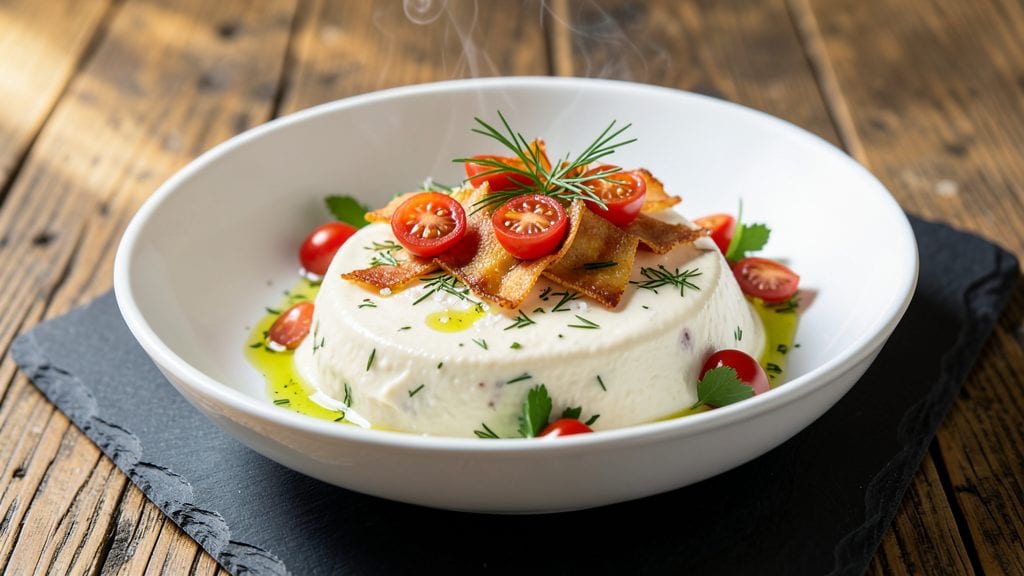
This chicken mousse recipe transforms simple ingredients into an elegant, velvety dish that feels like a restaurant masterpiece. The secret lies in perfectly cooked chicken—tender yet delicate—blended with cream cheese and fresh herbs until silky smooth.
I developed this method after years of testing, ensuring every bite delivers that luxurious texture without sacrificing flavor.
What sets this recipe apart is the balance of technique and simplicity. You can use sous-vide chicken for foolproof tenderness or poach it traditionally for a classic approach. The blend of cream cheese and crème fraîche creates that signature mousse consistency, while fresh herbs add bright, herbed elegance.
Chilling allows flavors to meld, resulting in a dish that’s both refined and approachable.
The final result is a creamy, herb-infused mousse with a velvety mouthfeel and subtle depth of flavor. Serve it on crispy crostini, alongside roasted vegetables, or as a sophisticated appetizer for dinner parties. This recipe proves that elegant dishes don’t require complicated methods—just precise execution and the right ingredients.
Whether you’re hosting a dinner or treating yourself to a special meal, this chicken mousse delivers restaurant-quality results at home. Ready to elevate your cooking? Let’s get started.
Ingredients for chicken mousse
Twelve ingredients, restaurant-quality texture—this chicken mousse delivers velvety elegance with minimal effort.
| Ingredient | Amount | Notes |
|---|---|---|
| Boneless, Skinless Chicken Breast 🍗 | 1 ½ lb | Sous-vide or poached to 165°F |
| Full-Fat Cream Cheese 🧀 | 8 oz | Room temperature for blending |
| Crème Fraîche 🥛 | ½ cup | For velvety texture and tang |
| Fresh Dill 🌿 | ¼ cup | Finely chopped, stems removed |
| Fresh Chives 🌱 | 0.1 cup | Minced for bright herbal notes |
| Fresh Parsley 🌿 | 0.1 cup | Flat-leaf, finely chopped |
| Extra-Virgin Olive Oil 🫒 | ¼ cup | High-quality for richness |
| Fresh Lemon Juice 🍋 | 1 tbsp | From organic lemons |
| Diamond Crystal Kosher Salt 🧂 | ½ tsp | Fine grain for delicate seasoning |
| Freshly Ground Black Pepper 🌶️ | ¼ tsp | Cracked peppercorns preferred |
| Unsalted Butter 🧈 | 2 tbsp | For finishing drizzle |
| Crispy Crostini Slices 🍞 | 12 pieces | Baguette or sourdough preferred |
The chicken breast is the foundation—sous-vide at 145°F for 2 hours guarantees perfect tenderness, but traditional poaching works too. Opt for free-range, organic chicken from Whole Foods Market or your local butcher for superior flavor. Once cooked, remove the skin and bones meticulously—every stray fragment disrupts the silky texture. The cream cheese and crème fraîche should be at room temperature before blending, ensuring a homogeneous mousse. For the herbs, farmers' market selections offer the brightest flavor, but store-bought works if you pluck the leaves fresh.
No sous-vide machine? Poach the chicken breast in court bouillon (chicken stock with aromatics) for 12-15 minutes until just cooked through. Substituting crème fraîche? Full-fat sour cream thinned with 1 tbsp heavy cream mimics its tang. Fresh herbs unavailable? Dried dill and chives at one-third the amount suffice, but the texture won’t be as refined. For the olive oil, California Avocado oil adds neutral richness without overpowering. The lemon juice can be bottled, but freshly squeezed brightens the dish significantly. Salt and pepper should be freshly ground—pre-ground loses potency quickly.
This mousse keeps beautifully for 3 days refrigerated in an airtight container, with flavors deepening overnight. For longer storage, portion into ramekins or silicone molds and freeze for up to 2 months. Thaw gradually in the fridge before serving. The crostini should be toasted fresh—garlic-infused olive oil elevates them further. Serve immediately after chilling for optimal texture, as the mousse firms slightly when cold. Leftovers reheat gently in a double boiler to restore creaminess.
Why You'll Love This Recipe
- No Blender Needed: I swear by this—just shred the chicken by hand after cooking. No fancy gadgets, no sticky cleanup. The creamy blend of full-fat cream cheese and crème fraîche does all the work for you.
- Herb-Packed Surprise: That fresh dill and chives? They turn this from "plain chicken" to "oh my gosh" in seconds. The bright, tangy finish cuts through the richness like a breath of spring air—honestly, it’s the secret weapon.
- Weeknight to Party: Same recipe, totally different vibes. Slather it on toast for a lazy Sunday brunch or pipe it into cucumber cups for a fancy appetizer. My kids eat it straight from the bowl, but my in-laws? They think it’s gourmet.
- Leftovers That Don’t Suck: This stuff actually improves overnight. The flavors meld, and the texture gets even creamier—perfect for stuffing into wraps or dolloping on salads. I make a double batch every time and never regret it.
Step-by-step instructions for chicken mousse with herbed elegance
Transform tender chicken breast into a velvety, herb-infused mousse that glides effortlessly onto crispy crostini.
Prepare the Chicken Base
Begin by poaching the 1.5 lb boneless, skinless chicken breast to 165°F internal temperature. I prefer poaching in 2 cups water with 1 tbsp fresh lemon juice and ½ tsp diamond crystal kosher salt for 15-20 minutes until fully cooked and tender. Remove and let cool completely before handling—this prevents the mousse from becoming watery.
Once cooled, transfer the chicken to a food processor and shred it into fine, even pieces. You want the texture to resemble coarse sand, not fibrous strands. If using sous-vide, cook to 165°F for 1 hour before shredding. The key here is achieving a smooth, uniform base without any visible chicken fibers.
Blend the Cream Cheese Mixture
In the same food processor, add the 8 oz full-fat cream cheese and 0.5 cup crème fraîche to the shredded chicken. Pulse until completely smooth, scraping down the sides as needed. This step is critical—any lumps will translate into graininess in your final mousse. Add 0.25 cup extra-virgin olive oil and process again until fully incorporated.
With the processor running, gradually add 0.25 cup finely chopped fresh dill, 0.1 cup minced fresh chives, and 0.1 cup finely chopped flat-leaf parsley. Pulse just until the herbs are evenly distributed—over-blending will release bitterness from the greens. Taste and adjust seasoning with ½ tsp diamond crystal kosher salt and ¼ tsp freshly ground black pepper as needed.
Achieve Silky Perfection
Transfer the mixture to a mixing bowl and fold in 2 tbsp unsalted butter using a silicone spatula, cutting through the mixture to create ribbons. This technique ensures the butter melts evenly without creating hot spots that could break the emulsion. For an ultra-smooth texture, press the mixture through a fine-mesh sieve into a clean bowl—this eliminates any remaining fibrous bits.
Here's where precision matters: fold in 1 tbsp fresh lemon juice last, just before serving. The acidity brightens the flavors without altering the delicate balance of the mousse. Cover and refrigerate for at least 2 hours (up to 24 hours) to allow flavors to meld. The longer it rests, the more cohesive and refined the texture becomes.
Assemble and Serve
Just before serving, spread the chilled mousse onto the 12 crispy crostini slices, using about 1 tablespoon per piece. The contrast between the cool mousse and warm crostini creates an irresistible texture play. For an elegant finish, drizzle each crostini with a touch of extra-virgin olive oil and garnish with an additional sprinkle of fresh dill and fresh parsley.
Serve immediately for the ideal balance of temperature and texture. The mousse should be light yet substantial, with each bite delivering layers of herbed richness and subtle acidity. For a refined presentation, arrange the crostini on a platter and serve with a side of lemon wedges for guests to squeeze over their portions.
Pro Tips For Making Chicken Mousse
- Poach Chicken Low and Slow: I learned this the hard way—boiling chicken breast turns it rubbery, and nobody wants that in a mousse. Simmer the chicken in water with a splash of vinegar (just 1 tablespoon) at 160°F (71°C) for 12-15 minutes until it hits 165°F internally. The acid keeps it tender, and the gentle heat guarantees it shreds like butter.
- Strain the Poaching Liquid: That water isn’t trash—it’s flavor insurance. After cooking, strain the liquid through a fine-mesh sieve to remove any stray bits, then reduce it by half in a small saucepan. Stir this back into the mousse later; it adds depth without making it watery. (Yes, even if you’re impatient like me.)
- Don’t Overmix the Cream Cheese: Full-fat cream cheese is your friend, but blending it until it’s smooth is the enemy of texture. Once the chicken is shredded and cooled, fold in the cream cheese and crème fraîche with a rubber spatula—just until combined. Lumps disappear, but overworking turns the mousse into a sad, dense paste.
- Chop Herbs at the Last Minute: Fresh dill and chives lose their brightness fast, and nobody wants wilted greens in their mousse. Reserve a handful of each to fold in right before serving. The rest can be finely chopped and mixed in earlier, but those final herbs make all the difference—like the cherry on top of a perfect sundae.
Essential equipment for great chicken mousse
Food Processor Essentials
Your food processor is the heart of this recipe—no blender or immersion stick can replicate its power. I use a Cuisinart DLC-10BCS with a sharp stainless steel blade for silky results.
The 10-cup capacity handles the chicken, cream cheese, and herbs without overfilling, which prevents splattering. For ultra-smooth mousse, pulse in short bursts (3-5 seconds) to avoid overheating the fats. 💡
Fine-Mesh Sieve
A fine-mesh sieve (I recommend OXO Good Grips) is non-negotiable for eliminating any remaining fibrous bits after blending. Press the mousse through it into a clean bowl—this step transforms your texture from "good" to "restaurant-quality."
If you don’t have one, a cheesecloth works in a pinch, but it’s messier. This is where perfection happens, so don’t skip it.
Sous-Vide Precision Tools
For sous-vide chicken (my preferred method), you’ll need a precision cooker like the Anova Nano or Breville Joule. Set it to 145°F for 2 hours—this guarantees tender, even cooking without drying out.
Pair it with vacuum-sealing equipment (like a FoodSaver) to lock in moisture. If you’re new to sous-vide, start with 1 lb chicken breast to test your technique before scaling up.
Mixing Bowls & Spatulas
Use a stainless steel mixing bowl (I love Le Creuset) for folding in butter—its cool surface prevents the cream cheese from melting unevenly. A silicone spatula (like OXO Good Grips) is ideal for cutting through the mixture without tearing.
Avoid plastic spatulas—they can harbor flavors and harbor bacteria. For serving, transfer the mousse to a ramekin dish (6-8 oz size) for elegant plating.
Optional: Immersion Blender
If you lack a food processor, an immersion blender (like Ninja CB1001) can work in a pinch—but with limitations. Blend the chicken and cream cheese directly in a heavy-bottomed pot (like All-Clad) over ice water to prevent overheating.
The texture won’t be as refined, but it’s a lifesaver for small batches. For herbs, blend them separately and fold in gently to avoid bitterness.
Storage Containers
For make-ahead prep, store the mousse in airtight glass containers (like Pyrex) with parchment paper between layers to prevent sticking. Label with the date—it keeps 3 days refrigerated or 2 months frozen.
When reheating from frozen, thaw overnight in the fridge and warm gently in a double boiler (never microwave) to preserve texture. A vacuum sealer extends freshness further if you’re prepping for a party.
Nutrition facts
Frequently asked questions
Can I make this chicken mousse without a food processor?
Yes, but with some compromises! Use an immersion blender in a heavy pot over ice water to prevent overheating. For ultra-smooth texture, press the mixture through a fine-mesh sieve afterward. The result won't be as refined, but it'll still be delicious.
How do I prevent the mousse from being too thick or too thin?
Balance is key! If too thick, add 1-2 teaspoons of heavy cream at a time. For thin texture, chill longer (up to 24 hours) to thicken naturally. Room-temperature cream cheese and crème fraîche are critical—never use cold ingredients.
Can I substitute cream cheese with something else?
For a lighter version, use ricotta cheese mixed with 2 tablespoons sour cream. For extra richness, blend in 2 oz mascarpone cheese. Avoid low-fat options—they won't create that signature velvety texture. The fat content is essential for stability.
Why does my mousse have a grainy texture?
Likely from undercooked chicken or overblending herbs. Ensure chicken reaches 165°F and press the mixture through a fine-mesh sieve before serving. For herbs, pulse just until combined—overprocessing releases bitterness. Also check your cream cheese temperature!
What's the best way to serve this chicken mousse?
Classic options include crostini slices, endive leaves, or toasted baguette rounds. For a main course, serve with roasted asparagus or wild rice pilaf. Garnish with extra herbs, toasted pine nuts, or a drizzle of truffle oil for elegance.