
Main Courses
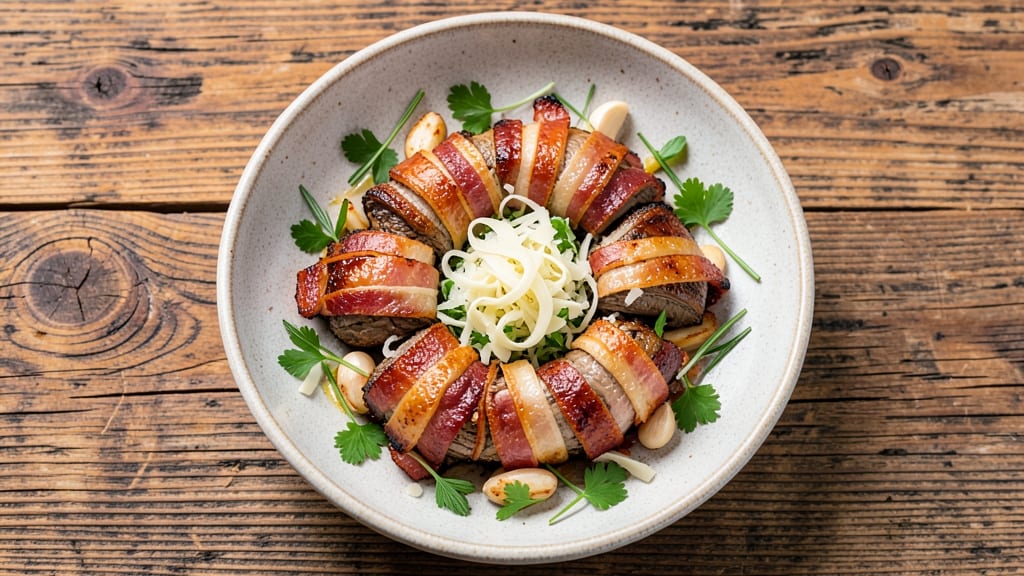
This chicken liver rumaki recipe transforms humble offal into crispy, herb-crusted bites wrapped around gooey cheese—perfect for elevating any dinner party. The secret lies in marinating the livers overnight to tenderize them, then skewering with bacon and cheese for a restaurant-quality result.
I developed this method after years of experimenting with different crusts and cooking techniques, and it never fails to impress.
What makes this recipe special is the balance of textures and flavors: crispy bacon, tender chicken livers, and melted cheese that swirls together beautifully when broiled. The marinade—garlic, lemon, and fresh herbs—ensures each bite is bright and aromatic, while the cheese adds richness without overpowering.
This dish is ideal for entertaining or weeknight dinners when you want something sophisticated yet simple to prepare.
By the time you finish cooking, you’ll have golden-brown rumaki with a satisfying crunch and creamy cheese center that pulls apart effortlessly. The aroma alone will draw everyone to the table, and the combination of savory, smoky, and herby flavors makes this dish unforgettable.
Whether you're hosting a gathering or treating yourself to a gourmet meal, this recipe delivers.
For those who prefer gluten-free options, simply swap the breadcrumbs for crushed nuts or almond flour. The cooking method remains the same, ensuring the same crispy exterior and tender interior. Serve with a side of roasted vegetables or a fresh salad to complete the meal.
Ingredients for chicken liver rumaki
Transform humble offal into restaurant-quality bites with these precise ingredients—each chosen for texture and flavor harmony.
| Ingredient | Amount | Notes |
|---|---|---|
| Chicken Livers 🍗 | 1 lb | Fresh, trimmed of connective tissue |
| Thick-Cut Bacon 🥓 | 8 oz | Unsmoked for best flavor |
| Gruyère Cheese 🧀 | 8 oz | Freshly grated, nutty variety |
| Fresh Parsley 🌿 | ¼ cup | Finely chopped, stems removed |
| Fresh Tarragon 🌿 | ¼ cup | Chopped, French variety preferred |
| Garlic Cloves 🧄 | 4 cloves | Minced, for marinade |
| Extra-Virgin Olive Oil 🫒 | ¼ cup | High-quality, fruity |
| Lemon Juice 🍋 | 2 tbsp | Freshly squeezed |
| Dijon Mustard 🍯 | 1 tbsp | For marinade binding |
| Panko Breadcrumbs 🍞 | ½ cup | For crispy coating |
| Diamond Crystal Kosher Salt 🧂 | 1 tsp | Fine grain preferred |
| Freshly Ground Black Pepper 🌶️ | ½ tsp | Cracked peppercorns |
| Wooden Skewers 🪵 | 8 whole | Soaked in water 30 minutes |
The chicken livers are the foundation, and freshness is non-negotiable. Look for vibrant, deep-red livers at your local butcher shop—they should feel firm and moist, not slimy. Trim any connective tissue meticulously, as it can make the livers bitter. For the bacon, thick-cut unsmoked delivers the best smoky flavor without overpowering the delicate liver. The Gruyère cheese should be freshly grated from a wedge—pre-shredded contains anti-caking agents that prevent proper melting. Fresh herbs like parsley and tarragon elevate the dish; French tarragon, if available, has a more anise-like flavor than the American variety.
No fresh tarragon? Dried tarragon at half the quantity works in a pinch, though the flavor will be subtler. Substituting Gruyère with Emmental or Comté maintains meltability but alters the nutty depth. For gluten-free adaptation, replace panko with crushed hazelnuts or almond flour—toast them first for enhanced flavor. The marinade's Dijon mustard acts as a binder; if unavailable, whole-grain mustard thinned with lemon juice suffices. For the olive oil, Italian varieties like Frantoio provide the best balance of pepperiness and fruitiness, though any high-quality extra-virgin will work.
Marinated livers keep 2 days in the fridge, sealed in an airtight container with parchment between layers. The bacon and cheese can be prepped 1 day ahead and stored separately. Skewered rumaki reheats beautifully—broil for 3-4 minutes until cheese melts and edges crisp. For make-ahead entertaining, assemble the rumaki on skewers, refrigerate, then broil directly from cold. The dish holds 2 hours at room temperature if kept warm in a 200°F oven—ideal for serving family-style.
Why You'll Love This Recipe
- No Fuss Assembly: I swear by this recipe because it’s the kind of dish where you can multitask—sear the livers while the bacon renders, wrap them in cheese without overthinking, and call it done. The only real prep is trimming the bacon and patting the livers dry, and honestly? That’s it.
- Rich, Layered Bite: That first crispy bite of bacon, the creamy Gruyère melt, then the bright tarragon and parsley cutting through—it’s like a flavor symphony in every bite. The chicken livers add this deep, savory richness that makes it feel fancy without trying too hard.
- Game for Any Gathering: Between us, this is my go-to for game day, a dinner party appetizer, or even a lazy Sunday brunch. It holds up well when served warm or at room temp, so you can prep ahead and still impress. (Yes, even on a Tuesday night.)
- Budget-Friendly Luxury: Chicken livers are a secret weapon—cheap, protein-packed, and way more impressive than chicken thighs. A small package stretches far, and the bacon and cheese make it feel like a splurge. Leftovers? Reheat them in a skillet, and they’re just as good the second time.
Step-by-step instructions for crispy herb-crusted chicken liver rumaki
Here's the precise method for achieving perfectly crispy rumaki with gooey Gruyère centers.
Prepare the Chicken Livers for Maximum Tenderness
Trim any connective tissue from the 1 pound chicken livers using a sharp knife, then rinse thoroughly under cold water. Pat them completely dry with paper towels—this step is crucial for achieving that signature crispy exterior. In a medium bowl, combine the livers with the 0.25 cup extra-virgin olive oil, 2 tablespoons lemon juice, 1 tablespoon Dijon mustard, 1 teaspoon Diamond Crystal kosher salt, and 0.5 teaspoon freshly ground black pepper. Gently toss until evenly coated, then marinate for at least 30 minutes at room temperature.
I recommend using a rubber spatula for this step to avoid tearing the delicate livers. The marinade not only seasons but also helps tenderize the meat. If you're short on time, you can reduce the marinating to 15 minutes, but 30 minutes yields the best texture.
Create the Herb-Crusted Coating
In a separate shallow dish, mix the 0.5 cup panko breadcrumbs with the 0.25 cup finely chopped fresh parsley and 0.25 cup chopped fresh tarragon. Add the 4 minced garlic cloves and toss gently to combine. This herb mixture will form the crispy crust that encases each rumaki. The panko provides structure while the fresh herbs add vibrant flavor and aroma.
For best results, use freshly chopped herbs rather than dried. The moisture content in fresh herbs helps create a better bond with the breadcrumbs. If you notice the mixture becoming too dry, add just enough olive oil to moisten it slightly—about 1 teaspoon at most—but don't oversaturate as this will prevent proper crisping.
Assemble the Rumaki on Skewers
Soak the 8 wooden skewers in water for 30 minutes to prevent burning. Working quickly, thread one piece of the 8 ounces thick-cut bacon onto each skewer, followed by one marinated chicken liver. Then, wrap 1 ounce of the freshly grated Gruyère cheese around the liver, creating a tight spiral. Finish by adding another piece of bacon and pressing it firmly against the cheese to secure everything.
This assembly technique ensures each bite contains all components in perfect proportion. The bacon not only adds flavor but also helps hold the rumaki together during cooking. Work efficiently as the chicken livers can dry out if left exposed too long. For easier handling, I recommend assembling on a parchment-lined tray to catch any cheese that might escape.
Cook to Crispy Perfection
Preheat your oven to 425°F and arrange a rack in the middle position. Place the assembled rumaki on a baking sheet lined with parchment paper, leaving about 1 inch of space between each skewer. Bake for 12-15 minutes, rotating the tray halfway through cooking time, until the bacon is golden brown and crispy and the cheese has melted completely into gooey swirls.
The key to success here is patience during the final minutes. You want the exterior to be deeply golden brown with visible crisping on the bacon and panko crust, while the interior remains perfectly cooked through. If you notice the cheese browning too quickly, tent the baking sheet loosely with aluminum foil for the last 2-3 minutes of cooking to prevent over-browning.
Rest and Serve Immediately
Transfer the rumaki to a wire rack and let them rest for 3-5 minutes before serving. This brief resting period allows the juices to redistribute within the chicken livers, ensuring each bite is moist and flavorful. Serve immediately while the exterior is still crispy and the cheese maintains its gooey texture.
For presentation, I recommend arranging the rumaki on a platter with additional chopped fresh parsley and tarragon sprinkled around. The contrast between the crispy exterior and molten cheese center makes each bite an experience. These rumaki pair beautifully with a crisp white wine or a tangy cocktail sauce for dipping—just be prepared for enthusiastic requests for the recipe!
Pro Tips For Making Chicken Liver Rumaki
- Trim the Fat First: Chicken livers have a thin membrane of fat on one side—peel it off before anything else. I learned this the hard way when my first batch tasted bitter; that fat’s the culprit. Use a sharp knife and work quickly while they’re cold.
- Cook Bacon Until Crisp: Don’t rush the bacon—render it until the edges are deep brown and the fat pools like oil. Cold bacon won’t crisp properly, and you’ll end up with soggy rumaki. A 10-minute cook at medium heat does the job.
- Skewer Cheese Last: Thread the Gruyère onto the skewer after searing the livers and bacon. If you add it too early, the cheese melts into a greasy mess before you even hit the grill. Wait until the livers are halfway cooked—then go for it.
- Rest Livers Before Searing: Pat them dry with paper towels, then let them sit uncovered for 10 minutes. I used to skip this, and the livers would steam instead of sear. Room temp + dry = perfect crust every time.
Essential equipment for chicken liver rumaki
Essential Prep Tools
Start with a sharp chef's knife—I recommend a Wüsthof Ikon—for trimming chicken livers efficiently. A microplane is perfect for zesting lemon and mincing garlic finely. For the herb crust, a small mixing bowl with a rubber spatula prevents over-mixing while combining panko and herbs.
These tools ensure precision in prep, which is critical for delicate ingredients like livers. 🧂
Cooking Equipment
For the perfect crispy finish, use a baking sheet with rimmed edges to prevent cheese drips from escaping. I prefer All-Clad stainless steel for even heat distribution. A wire rack placed over a baking sheet during resting prevents soggy bottoms.
For broiling, a lightweight aluminum foil tent is essential for protecting the cheese from over-browning. 🔥
Skewer Prep Must-Haves
Invest in 8 high-quality wooden skewers (I use Bamboo Skewers from Amazon)—soak them for 30 minutes to prevent burning. A small bowl of water for quick dips between skewering keeps the wood pliable.
For gluten-free adaptations, swap panko with crushed hazelnuts using a food processor fitted with the blade attachment. 🪵
Temperature Control Tools
A digital thermometer like the Thermoworks Smoke ensures your oven maintains 425°F accurately. For broiling, monitor the cheese closely—it should reach 165°F internal temperature for safety. A timer prevents overcooking while maintaining crispiness. I set mine for 12 minutes and check at 10 minutes to adjust as needed. ⏰
Serving Presentation
Use a large platter with parchment paper underneath to catch any cheese drips. A small offset spatula helps transfer skewers without breaking them. For garnish, a pair of kitchen shears trims fresh herbs neatly.
Serve with a dipping sauce (like cocktail sauce) in a small ceramic bowl for an elegant touch. 💫
Nutrition facts
Frequently asked questions
Can I use chicken liver substitutes in this recipe?
Yes! If you're avoiding offal, try ground chicken thighs or chicken breast cut into small cubes. For texture, marinate them 1 hour longer to compensate for their denser structure. The cooking time remains the same, but monitor closely to prevent drying.
Why does my rumaki cheese come out stringy instead of gooey?
Stringy cheese usually means it was overcooked or too dry. Always use freshly grated Gruyère (not pre-shredded) and wrap it tightly around the liver. Cook at 425°F for 12-15 minutes max, then tent with foil for the last 2-3 minutes if browning too quickly. The cheese should melt into creamy swirls, not pull apart.
How do I prevent the skewers from falling apart when cooking?
Secure each skewer by threading two bacon pieces on either side of the liver and cheese, then press them tightly together. For extra stability, use metal skewers instead of wood—no soaking needed! If using wooden skewers, soak them 30 minutes and assemble just before cooking to maintain crispness.
Can I make these rumaki ahead of time?
Yes, but with a few key steps. Assemble the skewers 1 day ahead, refrigerate uncovered, then broil 5-7 minutes at 450°F before serving. The cheese won't melt as dramatically, but the flavors stay vibrant. For a fully cooked make-ahead option, bake at 375°F for 18 minutes, cool completely, then reheat 3-4 minutes before serving.
What's the best way to serve these rumaki?
These skewers shine as an appetizer or light main course. Serve with cocktail sauce, spicy mayo, or a white wine reduction> for dipping. Pair with roasted asparagus or a crisp green salad> to balance the richness. For a festive touch, arrange on a platter with fresh herbs and serve with chilled champagne.