
Appetizers
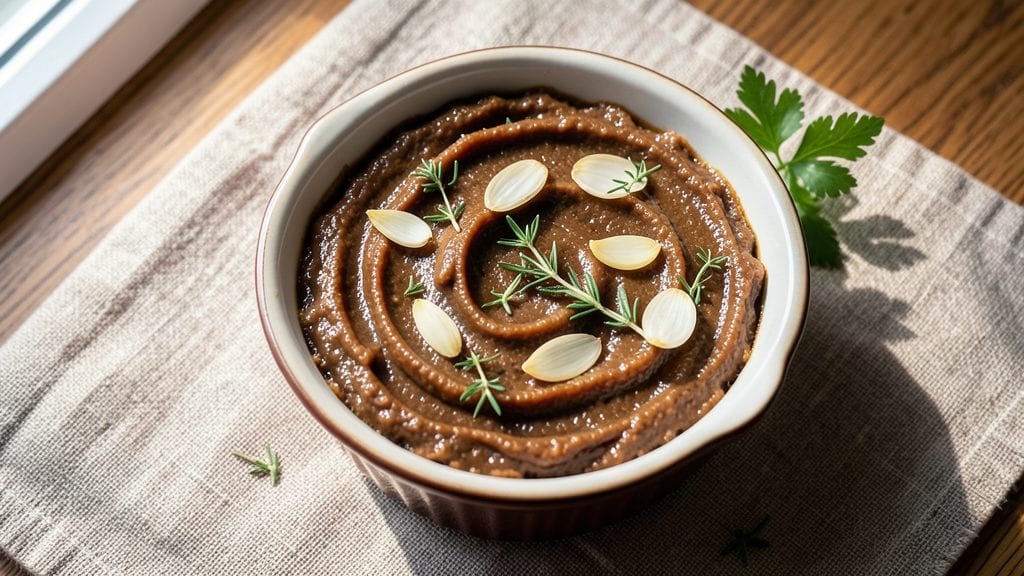
Creating a chicken liver pâté without alcohol delivers restaurant-quality richness that's surprisingly approachable at home. The secret lies in slow-cooking the livers until tender, then emulsifying with butter and egg yolks for that signature velvety texture.
My grandmother used to make this during holiday gatherings—always insisting the key was patience and proper technique.
This recipe transforms humble chicken livers into a luxurious spread using simple pantry staples and a method that builds flavor gradually. We'll develop depth with aromatic herbs and a touch of citrus instead of alcohol, creating a pâté that's smooth, rich, and packed with herbal notes.
The process takes about 45 minutes of active time but yields results that impress even seasoned cooks.
What you'll end up with is a pâté that's perfectly spreadable, with a glossy finish and complex flavors—savory, slightly sweet, and herby all at once. Serve it with crusty bread, crackers, or fresh vegetables for an appetizer that feels special without requiring advanced skills.
The best part? This version keeps beautifully in the refrigerator for up to a week.
Whether you're preparing for a dinner party or simply want to elevate your appetizer game, this chicken liver pâté delivers professional results with straightforward techniques. Let's get started with a method that transforms simple ingredients into something extraordinary.
Ingredients for chicken liver pate recipe without alcohol
Transform humble chicken livers into luxurious pâté using these carefully selected ingredients for velvety texture and herbal depth.
| Ingredient | Amount | Notes |
|---|---|---|
| Chicken Livers 🍗 | 1 ½ lb | Fresh, trimmed of connective tissue |
| Unsalted Butter 🧈 | 1 cup | European-style preferred for flavor |
| Large Egg Yolks 🥚 | 4 whole | Fresh, room temperature |
| Shallots 🧅 | 3 whole | Finely minced, about 0.25 cup |
| Fresh Thyme Leaves 🌿 | ½ cup | Stems removed, finely chopped |
| Fresh Parsley Leaves 🌿 | ¼ cup | Stems removed, finely chopped |
| Fresh Tarragon Leaves 🌿 | ¼ cup | Stems removed, finely chopped |
| Lemon Zest 🍋 | 1 tbsp | From organic lemon, finely grated |
| Lemon Juice 🍋 | 1 tbsp | Freshly squeezed |
| Diamond Crystal Kosher Salt 🧂 | 1 tsp | Fine grain preferred |
| Freshly Ground Black Pepper 🌶️ | ½ tsp | Cracked peppercorns preferred |
| Heavy Cream 🥛 | ¼ cup | Full-fat for optimal texture |
| Chicken Stock 💧 | ½ cup | Homemade preferred, low-sodium |
| Granulated Sugar 🍚 | ½ tsp | For subtle sweetness balance |
The chicken livers form the foundation of this pâté, so quality matters. Purchase from a trusted butcher or high-end grocery store like Whole Foods or Eataly, where they're typically sold pre-trimmed. If trimming yourself, remove any connective tissue or bile sacs—these can impart bitterness. For best results, use livers within 24 hours of purchase, storing them wrapped in paper towels in the coldest part of your refrigerator. The butter should be European-style for its higher fat content and richer flavor—Plugrá or President brands are excellent choices.
Substitutions are possible but require careful consideration. Duck livers can replace chicken livers at a 1:1 ratio, though they'll yield a slightly richer, more decadent pâté. Fresh herbs can be swapped: dried thyme at one-third the amount works in a pinch, though fresh provides superior aroma. For the citrus, orange zest and juice can replace lemon, though the flavor profile will shift slightly. The heavy cream can be omitted entirely for a lighter texture, though the pâté will be less glossy. If you're avoiding dairy, coconut cream works as a substitute but alters the final mouthfeel significantly.
Proper storage ensures this pâté maintains its luxurious texture. Once prepared, transfer to an airtight container with a thin layer of butter or olive oil on top to prevent oxidation. It keeps for 5-7 days in the refrigerator, though flavor peaks within the first 3 days. For longer storage, portion into small containers and freeze for up to 3 months. When reheating, warm gently in a water bath to maintain its silky consistency. The pâté is best served at room temperature, so plan accordingly for dinner parties.
Why You'll Love This Recipe
- No-Fuss Prep: I swear, this takes less effort than making coffee. Just sear the livers in butter, toss in shallots and thyme, then blend with yolks—no alcohol, no fuss, no stress.
- Rich Without the Booze: That buttery shallot base and egg yolks create a velvety texture, while thyme adds depth. Honestly, you’d never guess it’s alcohol-free—it’s just that good.
- Weeknight or Fancy Spread: Slather it on crusty bread for a quick dinner or pipe it into puff pastry for a last-minute appetizer. My in-laws think I’m a fancy chef, but it’s really just 20 minutes of work.
- Budget Powerhouse: Chicken livers are cheap, and this recipe stretches them into something luxurious. I make a big batch, store it in the fridge, and use it all week—no waste, all flavor.
Step-by-step instructions for chicken liver pâté without alcohol
This method delivers velvety texture and vibrant herbal notes using only the finest ingredients.
Prepare the Chicken Livers for Cooking
Begin by trimming any visible connective tissue from the 1.5 lb chicken livers and pat them thoroughly dry with paper towels. This step is crucial—moisture will prevent proper browning later. Place the cleaned livers in a bowl and cover with cold water. Let them soak for 10 minutes, then drain and rinse under cold water to remove any bloodline. This process ensures a clean, neutral base for the pâté.
While the livers soak, finely mince the 3 whole shallots—you should end up with about ¼ cup of minced shallots. The shallots will form the aromatic foundation of your pâté, so take your time to achieve an even, fine texture. Set them aside in a separate bowl.
Sear the Livers and Build the Herb Base
Heat a large skillet over medium-high heat and add ½ cup of the unsalted butter. Once the butter foams, add the drained chicken livers in a single layer, being careful not to overcrowd the pan. Sear for 2-3 minutes per side until they develop a deep golden-brown crust. Remove the livers and set them aside on a plate.
In the same skillet, reduce the heat to medium and add the remaining ½ cup unsalted butter. Toss in the minced shallots and cook for 3-4 minutes until they soften and become translucent. Stir in the 0.5 cup fresh thyme leaves, 0.25 cup fresh parsley leaves, and 0.25 cup fresh tarragon leaves, cooking for another 1 minute until the herbs release their aromatic oils. Remove from heat and let the mixture cool slightly.
Create the Silky Binding Mixture
In a separate heatproof bowl, whisk together the 4 whole large egg yolks, 0.25 cup heavy cream, and 0.5 cup chicken stock. Place this bowl over a pot of barely simmering water (double boiler method) and whisk constantly for 5-7 minutes until the mixture thickens to a ribbon-like consistency. This step is critical—it ensures the pâté will have that signature silky texture.
Remove the bowl from the heat and stir in the 1 tbsp lemon zest, 1 tbsp lemon juice, 1 tsp diamond crystal kosher salt, 0.5 tsp freshly ground black pepper, and 0.5 tsp granulated sugar. The lemon brightens the rich flavors, while the sugar subtly balances the herbal notes. Let the mixture cool to room temperature while you prepare the final assembly.
Combine and Process the Pâté
Transfer the seared chicken livers to a food processor fitted with the metal blade. Add the cooled shallot-herb butter mixture and pulse until the livers are finely chopped but not pasty. Scrape down the sides of the bowl as needed. With the processor running, slowly drizzle in the egg yolk mixture while processing. This gradual addition prevents the pâté from breaking.
Once fully combined, the pâté should have a smooth, velvety consistency. If it appears too thick, add 1-2 teaspoons of chicken stock to loosen it. Taste and adjust seasoning if needed—this is your final opportunity to refine the balance of flavors before serving.
Chill and Serve for Optimal Texture
Transfer the pâté to a serving dish and smooth the top with a spatula. Cover with plastic wrap pressed directly onto the surface to prevent a skin from forming. Refrigerate for at least 4 hours, preferably overnight. This chilling time allows the flavors to meld and the texture to set properly.
Serve the pâté chilled, accompanied by crusty bread or crackers. The contrast of the cool pâté with warm bread enhances its rich, herbal depth. For an elegant presentation, garnish with additional minced herbs or a drizzle of high-quality olive oil just before serving.
Pro Tips For Making Chicken Liver Pate Recipe Without Alcohol
- Sear Livers Fast: Hit them over high heat for 30 seconds per side—just until they go from pink to opaque. Overcooking turns them rubbery, and you’ll regret it when blending. I learned this the hard way after making a batch that tasted like shoe leather.
- Trim Shallots Thin: Peel and slice them paper-thin—no need to dice. They’ll melt into the butter faster, giving that silky texture without chunks. (Yes, even if you’re impatient like me.)
- Chill Yolks First: Pop the egg yolks into an ice bath for 5 minutes before mixing. Warm yolks can curdle when blended with hot livers, and nobody wants a grainy pate. Trust the process—your future self will thank you.
- Butter Matters: Use cold, unsalted butter—let it sit in the fridge until you’re ready to blend. Room-temperature butter melts too fast, and you’ll end up with a thin, runny mess. (This isn’t the prettiest method, but it’s the tastiest.)
Common mistakes when making this recipe
Overcooking Livers
I've ruined more chicken liver pâtés than I care to admit by letting them overcook. Once those livers hit 160°F internal temperature, they turn from tender to rubbery in seconds.
The key is searing them just until they're deep golden brown—about 2-3 minutes per side—then removing them immediately. I learned this the hard way when my first attempt turned into a chewy mess. 🔥
Skipping the Soak
Never skip the 10-minute soak in cold water before searing—this removes bloodline that can make your pâté taste metallic. I once made pâté without soaking and ended up with a bitter aftertaste that ruined the whole dish. Even if the livers look clean, that soak is non-negotiable for professional results.
Rushing the Emulsion
The double boiler step for the egg yolks is where many home cooks fail. You must whisk constantly for 5-7 minutes until the mixture reaches 160°F and thickens to a ribbon consistency.
I've seen people take it off heat too soon, resulting in a thin, soupy pâté. Use a thermometer to track temperature—this is your quality control moment.
Improper Processing
When combining everything in the food processor, don't just dump everything in at once. Add the egg yolk mixture slowly while processing—this prevents the pâté from breaking.
I once added it all at once and ended up with a lumpy, greasy mess. Patience here pays off with that perfect silky texture we're all chasing.
Ignoring the Chill
Serving pâté immediately after processing is a cardinal sin. The flavors need time to meld during that 4-hour minimum chill. I've served it too soon and had guests complain about "raw" flavors. Overnight chilling is ideal—it's what transforms good pâté into restaurant-quality luxury.
Using Low-Quality Butter
European-style butter is non-negotiable here. I've tried using regular American butter, and while it works, the flavor just isn't the same. The higher fat content in Plugrá or President butter creates that rich mouthfeel we want. Don't skimp—this is where the magic happens in every bite. 🧈
Nutrition facts
Frequently asked questions
Why does this recipe use lemon instead of alcohol?
Lemon juice and zest provide the same bright acidity that alcohol traditionally delivers while keeping the pâté rich and flavorful. The citrus also helps tenderize the livers during cooking and prevents the mixture from becoming too heavy. Plus, it's a perfect substitute for those avoiding alcohol for dietary or personal reasons.
Can I make this pâté ahead of time?
This pâté actually tastes better after resting. Transfer it to an airtight container and refrigerate for at least 4 hours, but ideally overnight. The flavors meld beautifully during this time, and the texture becomes even more luxurious. Just be sure to cover it directly with plastic wrap to prevent a skin from forming.
What's the best way to serve this chicken liver spread?
This pâté shines when served with crispy accompaniments that cut through its richness. Try it with toasted baguette slices, water crackers, or crispy potato chips. For a more elegant presentation, arrange it on a platter with fresh herb garnishes or a drizzle of high-quality olive oil. It's also delicious stuffed into puff pastry for individual appetizers.
Can I substitute duck livers for chicken livers?
Yes, but expect a more decadent flavor and richer texture. Use the same quantity of duck livers, but reduce the butter by 2 tablespoons since duck fat is already quite rich. The cooking time remains similar, but duck livers may require slightly less time to reach perfect doneness. The pâté will have a deeper, more luxurious character that's perfect for special occasions.
What if my pâté turns out too thick or too thin?
For a thick pâté, add 1-2 teaspoons of chicken stock while processing to loosen it. If it's too thin, place the bowl over ice and whisk in 1 tablespoon of cold butter to thicken. The double boiler step is critical—if you rushed it, the egg yolks may not have emulsified properly. Always work with room-temperature ingredients for the best results.