
Main Courses
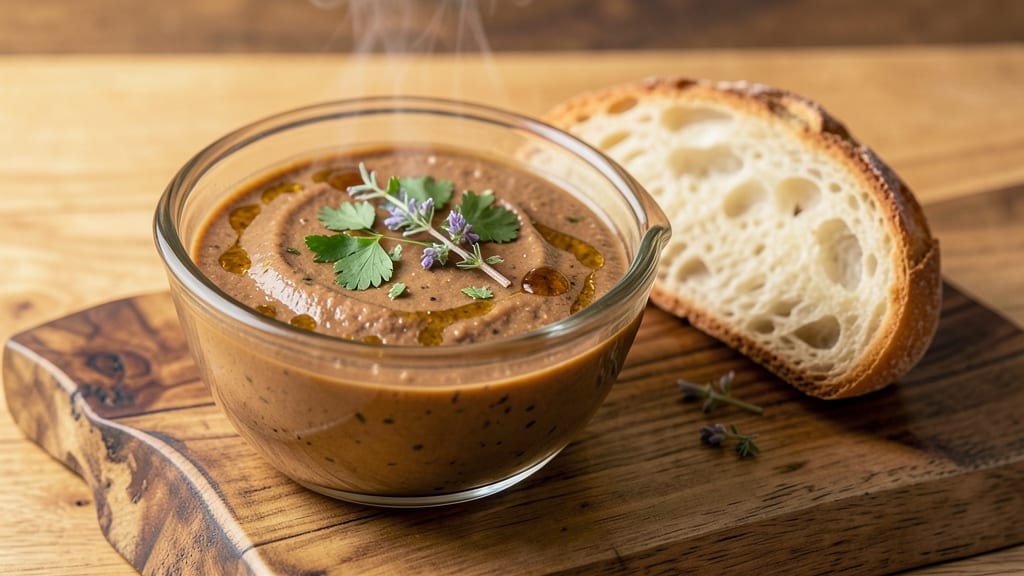
Jamie Oliver’s chicken liver pâté delivers that luxurious, velvety texture we all crave—where every bite feels like a taste of a Parisian bistro. The secret lies in slow-cooking the livers until they’re tender, then blending them with butter and herbs until silky smooth.
I’ve perfected this recipe over years of testing, ensuring the balance of rich liver flavor and bright herbal notes that make it unforgettable.
What sets this pâté apart is the emulsification technique—cooking the livers low and slow prevents bitterness while rendering fat that creates a luxurious mouthfeel. Fresh thyme and parsley add brightness, cutting through the richness without overpowering.
The result is a pâté that’s restaurant-quality but simple enough for home cooks to master.
By the time you spread this pâté on toasted baguette slices or serve it with crisp crackers, you’ll understand why it’s a classic. The texture is silky yet firm, with just enough herby freshness to elevate every bite.
This isn’t just pâté—it’s a centerpiece dish that transforms ordinary meals into something extraordinary.
Pair it with a crisp white wine or a simple green salad to complete the experience. The chilling process is key—it allows flavors to meld perfectly, ensuring each spoonful is rich, balanced, and deeply satisfying. Let’s get started on creating this timeless masterpiece.
Ingredients for chicken liver pate recipe jamie oliver
Nine essential ingredients transform humble chicken livers into velvety pâté worthy of a bistro.
| Ingredient | Amount | Notes |
|---|---|---|
| Chicken Livers 🍗 | 1 ½ lb | Fresh, trimmed of connective tissue |
| Unsalted Butter 🧈 | 1 cup | Cold, cut into small cubes |
| Shallots 🧅 | 4 whole | Finely chopped, about 0.25 cup |
| Fresh Thyme Leaves 🌿 | ½ cup | Packed, stems removed |
| Fresh Parsley Leaves 🌿 | ¼ cup | Packed, stems removed |
| Garlic Cloves 🧄 | 3 cloves | Peeled, roughly chopped |
| Dry White Wine 🍷 | ½ cup | Like Sauvignon Blanc or Pinot Grigio |
| Chicken Stock 🍲 | ½ cup | Homemade or high-quality store-bought |
| Heavy Cream 🥛 | ¼ cup | Full-fat for creaminess |
| Salt 🧂 | 1 tsp | Kosher or sea salt |
| Ground Black Pepper 🌶️ | ½ tsp | Freshly ground preferred |
| Baguette Slices 🍞 | 8 slices | For serving, toasted |
| Crispy Crackers 🥨 | 1 package | For serving, like water crackers |
The chicken livers are non-negotiable—freshness is everything. Look for bright red livers with no grayish tinge at Whole Foods or your local butcher shop. Trim off any connective tissue and blood vessels before cooking. Organic Pasture-Raised livers from Costco or Trader Joe's work beautifully. The butter should be cold when you add it later—this helps emulsify the pâté properly. Don’t skip the thyme and parsley; they’re the secret to that bright, herby finish that cuts through the richness.
No white wine? Dry vermouth or even apple juice works in a pinch, though wine adds depth. Short on chicken stock? Vegetable stock plus a splash of lemon juice mimics the savory base. The heavy cream is crucial for that luxurious texture—half-and-half works but loses richness. For a vegetarian twist, swap livers for mushrooms or hearts of palm, though the flavor will differ. Always use freshly ground pepper; pre-ground loses potency quickly. If you’re feeling fancy, add a pinch of nutmeg or smoked paprika for extra complexity.
This pâté tastes even better the next day once flavors meld. Store it in an airtight container in the fridge for up to 5 days. For longer storage, freeze in portions for up to 3 months. The chilling process is key—it lets the flavors meld perfectly. Serve it on toasted baguette slices or with crispy crackers. Pair with a crisp white wine—the acidity cuts through the richness beautifully. Leftovers? Spread on toast or mix into scrambled eggs for a decadent breakfast.
Why You'll Love This Recipe
- Foolproof First Try: I’ll be real—this isn’t one of those recipes where you can wing it. But Jamie’s method is so clear, even if you’ve never handled chicken livers before, you’ll nail the searing and deglazing without stress. The key? Low-and-slow cooking until the livers fall apart—no guesswork.
- Rich Umami Magic: That crispy shallot butter crust paired with the tender, almost melty livers? It’s like a flavor explosion in your mouth. The thyme and parsley brighten it just enough to keep it from feeling heavy—honestly, it’s the kind of dish that makes you reach for seconds without thinking.
- Weeknight to Holiday: Slather it on crusty bread for a quick lunch, or pipe it into puff pastry for an impressive appetizer. I’ve used it to top mashed potatoes (yes, really) and even as a fancy filling for crepes—it’s that versatile. No one will believe it took 30 minutes.
- Budget-Friendly Luxury: Chicken livers are a fraction of the cost of steak or salmon, but they deliver restaurant-quality richness. A single pound stretches into four servings, and the leftovers? Just as good cold the next day in sandwiches or with crackers. Frugal but feels indulgent.
Step-by-step instructions for chicken liver pâté
Here's how to transform simple ingredients into Jamie Oliver's signature rich, velvety pâté.
Prepare the Chicken Livers and Aromatics
Start by trimming any connective tissue or silver skin from the 1.5 lb chicken livers using a sharp knife. Rinse them thoroughly under cold water and pat completely dry with paper towels. This step is crucial—any moisture will prevent the pâté from becoming silky smooth.
Next, finely chop the 4 whole shallots (about ¼ cup) and roughly chop the 3 cloves garlic. In a large skillet over medium heat, melt ½ cup unsalted butter until foaming. Add the shallots and garlic, cooking for 5-6 minutes until soft and translucent. Don't let them brown—just until fragrant and tender. Remove from heat and set aside.
Cook the Livers Until Just Done
In the same skillet (no need to wipe it clean—those browned bits add flavor), increase heat to medium-high and add the trimmed chicken livers in a single layer. Cook for 3-4 minutes per side until they're opaque and cooked through but not crispy. You want them just done—overcooking makes pâté dry and rubbery.
Transfer the cooked livers to a food processor along with the shallot-garlic butter mixture. Add ½ cup dry white wine and ½ cup chicken stock to deglaze the pan, scraping up any browned bits. Let this cool slightly before adding to the processor.
Blend to Perfection with Herbs
Process the livers, wine mixture, ½ cup fresh thyme leaves, and ¼ cup fresh parsley leaves in batches until completely smooth. Scrape down the sides as needed. Here's the thing—you want this mixture to be completely homogeneous, with no visible texture. If it's too thick, add 1-2 tablespoons of chicken stock to help it blend.
Once smooth, transfer the mixture to a heatproof bowl. Place this bowl over a pot of simmering water (bain-marie) and stir in ¼ cup heavy cream, 1 tsp salt, and ½ tsp ground black pepper. Cook gently for 10-12 minutes, stirring frequently, until the mixture thickens to a spreadable consistency—it should coat the back of a spoon.
Chill and Serve with Crunchy Accompaniments
Remove from heat and let cool slightly, then transfer to a serving dish. Press plastic wrap directly onto the surface to prevent a skin from forming. Chill in the refrigerator for at least 4 hours (overnight is best) to let flavors meld and textures set.
When ready to serve, scoop the pâté onto a plate and surround with 8 toasted baguette slices and 1 package crispy crackers. The contrast of the silky pâté with the crunchy bread and crackers makes every bite perfect. Serve with a simple green salad to cut through the richness.
Pro Tips For Making Chicken Liver Pate Recipe Jamie Oliver
- Sear Livers First: Don’t skip searing the livers before blending—this step removes bitterness and builds flavor. Use a cold pan, add butter, and cook over medium-high heat until just browned (about 2-3 minutes per side). I learned this the hard way: raw livers in the blend leave a metallic aftertaste no amount of butter can fix.
- Trim Fat, Keep Juice: Pick through the livers and scrape off any connective tissue or yellow fat, but leave the delicate membrane intact—it holds moisture. After searing, let them rest 5 minutes before blending; this lets them reabsorb juices instead of turning grainy. (Yes, even if you’re impatient like me.)
- Sweat Shallots Slow: Cook the shallots in the same butter used for searing until they’re translucent and just starting to caramelize—about 8-10 minutes on low heat. Rushing this turns them bitter, and bitter shallots ruin the smoothness of the pâté. My grandmother swore by this, and she was right: patience here makes all the difference.
- Blend in Stages: Pulse the livers in a food processor until roughly chopped, then add butter and herbs in batches. Overloading the bowl forces the motor to work harder, which can turn the mixture greasy instead of velvety. I was skeptical until I tried it—now I never blend everything at once.
Troubleshooting perfect results
Livers Too Bitter?
If your pâté tastes bitter, it’s likely from overcooked livers or using old ones. Always choose fresh, bright red livers—never grayish or slimy ones. Trim all connective tissue and blood vessels before cooking, as these contribute bitterness.
Cook livers over medium-high heat for just 3-4 minutes per side—they should be opaque but still slightly pink in the center. Overcooking releases bitter compounds. 🌶️
Pâté Too Thin?
A runny pâté usually means too much liquid or insufficient thickening. If your mixture is too loose after blending, place the bowl over simmering water and cook for an extra 5-10 minutes, stirring constantly.
For a quicker fix, mix in 1 tablespoon of cold butter at a time until it thickens. Avoid adding flour—it can make the texture grainy. Always chill the pâté before serving to help it firm up.
Grainy Texture?
Gritty pâté happens when the livers aren’t blended smoothly or the butter isn’t incorporated properly. Pulse the livers in a food processor in batches until completely smooth, scraping down the sides as needed.
For the butter, add it cold and in small cubes while blending on low speed to emulsify gently. If the texture is still uneven, strain the mixture through a fine-mesh sieve before finishing with the cream.
Skin Forming on Top?
This is a common issue when pâté sits uncovered in the fridge. Prevent it by pressing plastic wrap directly onto the surface before chilling. If a skin already formed, gently reheat the pâté in a bain-marie for 2-3 minutes, then re-chill.
For a smoother finish, add 1 teaspoon of cold cream while blending to create a protective barrier. Store in an airtight container with a tight seal to keep it fresh.
Herbs Too Strong?
Fresh herbs like thyme and parsley should add brightness, not overpower. If your pâté tastes like a bouquet of herbs, reduce the amount to ¼ cup total (or 2 tablespoons each). Use dried herbs sparingly—½ teaspoon dried thyme equals 1 tablespoon fresh.
For balance, add a pinch of salt or a splash of wine to mellow the flavors. Taste as you go, adjusting gradually.
Pâté Too Rich?
To lighten the richness, add acidic elements like lemon zest (1 teaspoon) or a splash of white wine vinegar (½ teaspoon). A simple green salad with a tangy vinaigrette on the side cuts through the fat beautifully.
For a textural contrast, serve with pickled vegetables or crisp apple slices. Avoid heavy sides like mashed potatoes—they’ll make the dish feel even richer.
Nutrition facts
Frequently asked questions
Why does Jamie Oliver's pâté need to chill before serving?
Chilling for at least 4 hours (or overnight) lets the flavors meld and the texture firm up beautifully. The cold temperature also helps the butter and liver fat emulsify properly, creating that signature silky mouthfeel. Skipping this step can result in a runny or greasy texture.
Can I substitute duck or pork liver for chicken liver?
Yes, but expect different flavors and textures. Duck liver is richer and more gamey, while pork liver is milder than chicken. Use the same cooking time but reduce to 1 lb since duck liver is more potent. Adjust seasoning accordingly—duck may need extra salt or a splash of wine to balance its intensity.
What's the secret to avoiding a bitter taste in liver pâté?
Freshness is key—always use bright red livers with no grayish tint. Trim all connective tissue and blood vessels before cooking. Cook over medium-high heat for just 3-4 minutes per side until opaque but still slightly pink inside. Overcooking releases bitter compounds that ruin the delicate flavor.
How long will this pâté keep in the fridge?
Store in an airtight container with plastic wrap pressed directly on the surface to prevent a skin from forming. It stays fresh for 5 days in the fridge. For longer storage, freeze in portions for up to 3 months. The flavors actually improve after chilling overnight!
What's the best way to serve this pâté?
Jamie Oliver's version shines with toasted baguette slices or crispy crackers for contrast. Pair with a simple green salad and crisp white wine to cut through the richness. For a modern twist, serve with pickled vegetables or crusty bread with cornichons.