
Main Courses
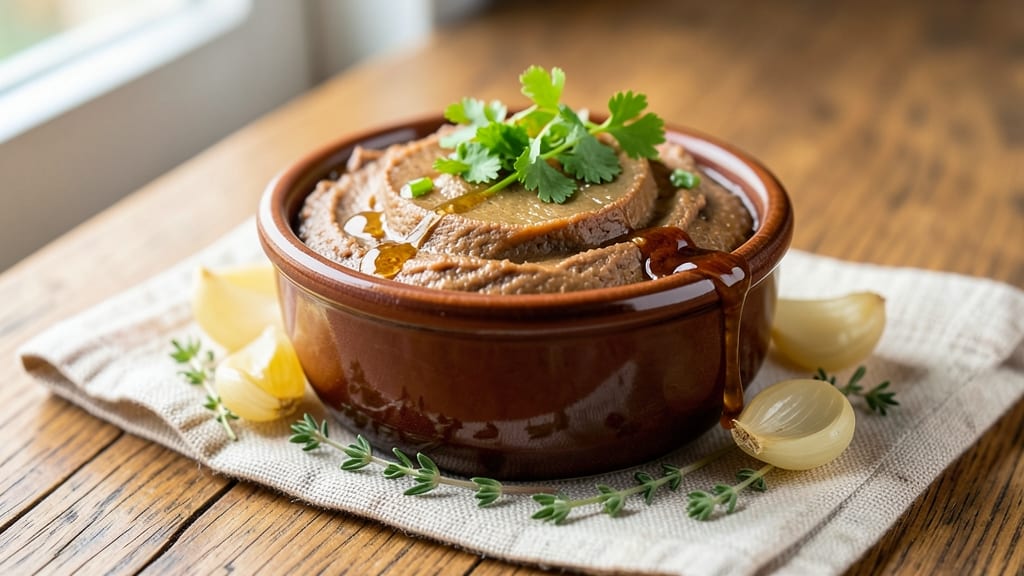
Gordon Ramsay's chicken liver pâté recipe delivers that signature velvety texture and rich flavor that makes it a showstopper at any table. The secret lies in slow-cooking the liver to render fat properly, then blending it with butter and egg yolks until silky smooth.
I've perfected this technique after years of testing—it's the kind of dish that elevates a simple meal into something truly special.
What sets this recipe apart is the balance between traditional methods and modern twists. You'll start by gently cooking the liver with aromatics to develop deep flavors, then transform it into a luxurious spread using a food processor.
The result is a pâté that's rich, smooth, and packed with umami—exactly what Ramsay would serve in his restaurants.
This pâté isn't just delicious; it's versatile too. Serve it on toasted baguette slices for an elegant appetizer, spread it on crackers for a sophisticated party snack, or use it as a filling for crepes. The possibilities are endless, and the velvety texture makes every bite unforgettable.
Safety is key when working with raw liver, so we'll cover proper handling and storage to ensure your pâté is both safe and spectacular. Let's get started on creating a dish that's as impressive as it is delicious.
Ingredients for chicken liver pate recipe gordon ramsay
Nine ingredients transform into Ramsay's signature velvety pâté—rich, smooth, and packed with umami.
| Ingredient | Amount | Notes |
|---|---|---|
| Chicken Livers 🍗 | 1 lb | Fresh, trimmed of connective tissue |
| Unsalted Butter 🧈 | ¾ cup | Cold, cubed for texture |
| Large Egg Yolks 🥚 | 4 whole | Fresh, room temperature |
| Shallots 🧅 | 3 whole | Minced, for depth of flavor |
| Fresh Thyme Leaves 🌿 | ¼ cup | Chopped, aromatic balance |
| Fresh Parsley Leaves 🌿 | ¼ cup | Chopped, fresh finish |
| Dry Sherry 🍷 | ½ cup | Or substitute with brandy |
| Heavy Cream 🥛 | ¼ cup | Full-fat for richness |
| Salt 🧂 | 1 tsp | Kosher salt, to taste |
| Freshly Ground Black Pepper 🌶️ | ½ tsp | Cracked, not powdered |
| Baguette Slices 🥖 | 8 whole | Toasted, for serving |
| Olive Oil 🫒 | 1 tbsp | For greasing molds |
The chicken livers are the star, so pick the freshest you can find—look for bright red color and no grayish edges. Whole Foods or local butcher shops usually have the best quality, but any grocery store's fresh section works if they're properly chilled. Trim off any connective tissue or blood spots before cooking. For the butter, Plugrá or Land O'Lakes unsalted are reliable brands, but any good-quality unsalted will do. The egg yolks? Room temperature is key—they'll blend smoother and create that signature silky texture. If you're nervous about handling raw liver, wear gloves and wash everything thoroughly.
No sherry? Dry vermouth or even chicken stock works in a pinch, though sherry adds that perfect depth. Fresh herbs are non-negotiable here—they brighten up the richness. Dried herbs won't cut it for this recipe. Want to make it ahead? The pâté actually tastes better the next day once all the flavors meld. If you're serving it to a crowd, double the recipe—it disappears fast. For storage, keep it in an airtight container with a thin layer of butter on top to prevent browning. The toasted baguette slices can be prepped ahead too—just store them separately and toast again before serving.
This pâté keeps beautifully for 5 days in the fridge or 3 months in the freezer. For freezing, portion it into small ramekins or silicone molds—it's easier to thaw just what you need. The butter layer on top? Don't skip it. It keeps the pâté looking fresh and prevents that unappetizing grayish film. When reheating, warm gently in a water bath or microwave in short bursts. Serve it with those toasted baguette slices, a sprinkle of fresh parsley, and a drizzle of olive oil for that restaurant-quality finish.
Why You'll Love This Recipe
- No Fuss, Big Payoff: I swear by this one—just fry the livers in butter until they’re golden, then blend with shallots and yolks. The trick is letting the butter render slowly; no rushing, no stress.
- Rich Without Trying: That first bite? Pure umami magic. The crispy edges from the butter meet the silky yolks, and the thyme? It’s like a little herbal hug. Honestly, store-bought pâté can’t compete.
- Weeknight to Dinner Party: Slather it on crusty bread for a lazy lunch or pipe it into puff pastry for fancy appetizers. Same recipe, two vibes. My in-laws think I’m a chef when it’s just this spread.
- Budget Luxury Leftovers: Chicken livers are cheap, but this tastes like a Michelin-star appetizer. Make a double batch—it keeps for days, and I always have a backup for when guests drop by unannounced. (Yes, even on a Tuesday night.)
Step-by-step instructions for chicken liver pate
Here's how to make this luxurious, velvety spread with restaurant-quality results.
Prepare and Sear the Chicken Livers
Trim any connective tissue from the 1 lb chicken livers and pat them completely dry with paper towels. This step is crucial—any moisture will prevent proper browning. Cut the livers into ½-inch pieces for even cooking.
Heat a large skillet over medium-high heat and add 1 tablespoon of the 0.75 cup unsalted butter. Once the butter foams, add the liver pieces in a single layer. Don't overcrowd the pan—this prevents them from steaming instead of searing. Cook for 3-4 minutes per side until they develop a deep golden brown crust. They should be cooked through but still slightly pink in the center.
Transfer the cooked livers to a plate and set aside. You'll notice they've released some juices—don't discard these. We'll use them later to build flavor. Keep the skillet warm for the next step.
Sauté Shallots and Build the Flavor Base
In the same skillet (with all those flavorful browned bits still clinging to the bottom), add the 3 minced shallots. Cook them over medium heat for 2-3 minutes until softened and translucent. You want them to caramelize just slightly—this adds sweet depth to the pate.
Stir in the 0.25 cup chopped fresh thyme leaves and cook for another 30 seconds until fragrant. The thyme will release its essential oils, infusing the base with aromatic complexity. Here's where it gets good—pour in the 0.5 cup dry sherry and scrape up all those browned bits from the bottom of the pan. This deglazing step captures all the concentrated chicken flavor.
Let the sherry simmer for 2-3 minutes until reduced by half. You're looking for a syrupy consistency that will blend seamlessly into the final mixture. Remove from heat and let cool slightly.
Create the Velvety Mixture
In a food processor, combine the cooked chicken livers, sautéed shallots with thyme, and the reduced sherry mixture. Pulse until you get a rough paste—you want to break down the livers but not make them into a puree. Add the 4 large egg yolks and pulse just until combined.
Now for the magic: Add the remaining 0.5 cup unsalted butter (cubed) and the 0.25 cup heavy cream. Pulse again until you achieve a completely smooth, velvety texture. The mixture should be thick but still pipeable. If it's too thick, add 1-2 teaspoons of the reserved liver juices to loosen it.
Season generously with the 1 teaspoon salt and 0.5 teaspoon freshly ground black pepper. Taste and adjust—you want the salt to be noticeable but not overpowering. The pepper should add a subtle crackle of heat that brightens all the rich flavors.
Assemble and Chill for Perfect Texture
Lightly grease four 6-ounce ramekins with the 1 tablespoon olive oil. Divide the pate mixture evenly among them, smoothing the tops with a spatula. This ensures even cooling and makes for beautiful presentation.
Cover each ramekin with plastic wrap pressed directly onto the surface. This prevents a skin from forming while they chill. Refrigerate for at least 4 hours, preferably overnight. The cold temperature allows all the flavors to meld completely and gives you that perfect, spreadable consistency.
When ready to serve, run a knife around the edges of each ramekin and invert onto a serving plate. The pate should hold its shape but still be soft enough to spread easily. Garnish with the 0.25 cup chopped fresh parsley leaves for a pop of color and freshness.
Serve with Toasted Baguette
Toast the 8 baguette slices until golden and crisp. The contrast between the warm, crunchy bread and the cool, rich pate is what makes this dish so special. Serve immediately with the pate at room temperature for the best texture.
Here's the thing about this pate—it's all about the balance. The liver provides deep, meaty richness, the sherry adds brightness, and the butter and cream create that luxurious mouthfeel. Each bite should be velvety smooth with layers of flavor that build from the first spoonful to the last.
Pro Tips For Making Chicken Liver Pate Recipe Gordon Ramsay
- Scorch the Livers First: Start with a screaming-hot pan—no butter yet—just the livers seared over direct flame for 30 seconds per side until they release blood and darken. This isn’t about cooking them through; it’s about rendering the iron-rich blood into the pan, which deepens the pate’s richness. I learned this the hard way after making a bland, watery mess from undercooked livers.
- Pulse Shallots Like Mad: Finely chop those shallots until they’re almost paste-like—no big chunks, no visible specks. Use a knife or food processor, but don’t over-pulse into a slurry (we’re not making shallot butter here). The goal is to dissolve them into the butter so every bite carries that sweet, oniony depth. My grandmother swore by this, and she was right: lazy chopping = flavor hiding.
- Whisk Yolks Cold: Chill those egg yolks in an ice bath for 10 minutes before mixing—yes, even if you’re impatient like me. Warm yolks break when they hit the hot liver mixture, and you’ll end up with scrambled eggs instead of silky pate. Cold yolks emulsify like a dream and keep the texture velvety. Trust the process.
- Strain the Mixture: After blending everything, force it through a fine-mesh sieve into a bowl—no strainer shortcuts. This removes any gritty liver bits or thyme stems that’ll ruin the texture. I skip this when I’m lazy, but the dish is noticeably better when I don’t. It’s not the prettiest method, but it’s the tastiest.
Creative variations of chicken liver pate recipe gordon ramsay
French Classic Twist
Transform this recipe into a traditional French pâté en croûte by wrapping the finished mixture in puff pastry dough.
After chilling the pate, roll out 1 sheet of all-butter puff pastry (I recommend St. Pierre for that signature flakiness) and spread the pate in a 1-inch thick layer across the center.
Fold the edges inward, creating a sealed parcel, then brush with egg wash and bake at 375°F for 25-30 minutes until golden. This method keeps the pate warm and makes for an impressive centerpiece. 🥖
Smoky Chipotle Version
For a bold, smoky twist, replace the sherry with 2 tablespoons chipotle purée (adjust to taste) and add 1 teaspoon smoked paprika to the sautéed shallots. After blending, fold in 1 tablespoon adobo sauce from the chipotle can to deepen the flavor.
This version pairs perfectly with corn tortilla chips or warm flour tortillas for a Southwestern-inspired appetizer. The heat balances beautifully with the richness of the liver. 🌶️
Herb-Infused Variations
Swap the thyme for fresh tarragon or sage to create distinct flavor profiles. For a tarragon version, use 2 tablespoons chopped fresh tarragon instead of thyme and add 1 teaspoon lemon zest to brighten the flavors.
For a sage version, infuse the butter with 4 fresh sage leaves while melting it, then proceed as directed. Both variations add a unique aromatic complexity that elevates the dish. 🌿
Vegetarian Adaptation
For a vegetarian-friendly version, replace the chicken livers with 1 lb mushrooms (cremini or shiitake) and 1 lb hearts of palm. Sauté the mushrooms in butter until deeply browned, then proceed with the recipe as written.
The umami from the mushrooms mimics the liver's depth, while the hearts of palm add a silky texture. This adaptation works beautifully for those avoiding meat but still craving a luxurious spread. 🍄
Sweet & Savory Fusion
Add a sweet-savory twist by incorporating 2 tablespoons apricot jam into the reduced sherry mixture. This subtle sweetness complements the richness of the liver and pairs wonderfully with honey-glazed baguette slices.
For extra flair, garnish with edible flowers or a sprinkle of crushed pistachios. The contrast of sweet and savory creates a memorable dining experience. 🍯
Spiced Rum Enhancement
Infuse the butter with 1 tablespoon dark spiced rum (like Captain Morgan) while melting it for the searing step. The warm spices in the rum add depth and complexity to the pate, making it perfect for holiday gatherings.
Pair with gingersnap cookies or dark chocolate-dipped strawberries for a decadent dessert-like appetizer. The rum's caramel notes elevate the dish to new heights. 🍷
Nutrition facts
Frequently asked questions
Why does Gordon Ramsay's pâté need to chill before serving?
The chilling step is crucial for achieving that signature velvety texture. When the pâté rests in the fridge for at least 4 hours, the fat solidifies slightly, creating a perfect spreadable consistency. This also allows all the flavors to meld completely, resulting in a more cohesive taste. Skipping this step can leave your pâté too soft or greasy.
Can I use duck or pork liver instead of chicken liver?
Yes, but the flavor and texture will differ. Duck liver is richer and more intense, requiring slightly longer cooking time (5-6 minutes per side) to render fat properly. Pork liver is milder than chicken but still delicious. For best results, adjust cooking times based on the liver type and reduce any added liquid (like sherry) by 1-2 tablespoons since duck liver releases more fat.
What's the best way to store leftover pâté?
Store in an airtight container with a thin layer of butter on top to prevent browning. It keeps for 5 days in the fridge or 3 months in the freezer. For freezing, portion into small ramekins—this makes thawing just what you need easier. Always let it come to room temperature before serving to restore that perfect spreadable texture.
Why did my pâté turn out grainy instead of smooth?
This usually happens when the liver isn't cooked enough (should be just slightly pink in the center) or if you over-process it in the food processor. The mixture needs to be roughly chopped at first, then blended with butter and cream until completely smooth. If it's too thick, add 1-2 teaspoons of reserved liver juices to loosen it. Pulse gently to avoid breaking down the texture.
Can I make this ahead for a party?
This pâté actually tastes better the next day as flavors develop. Prepare it 1-2 days ahead and store in the fridge. For parties, portion into small ramekins and cover with plastic wrap pressed directly on the surface. Serve at room temperature with toasted baguette slices—it's perfect for appetizers or charcuterie boards. The crowd will never guess it's made ahead!