
Main Courses
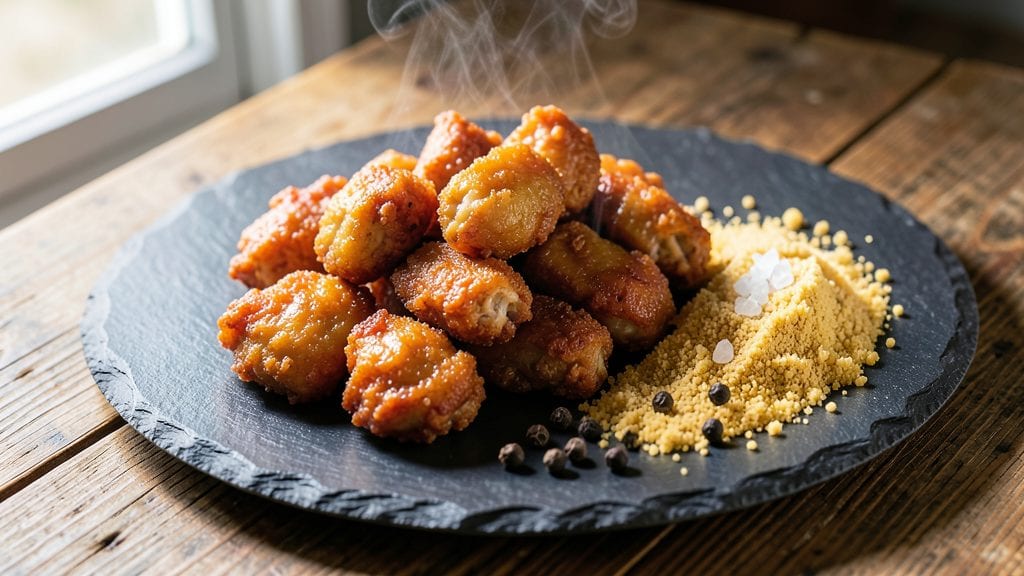
This chicken gizzard fry recipe delivers the perfect balance of crispy-crusted bites with juicy, tender centers—transforming an often-overlooked cut into a standout dish. The secret lies in proper preparation and high-heat frying, which creates that satisfying contrast between the golden exterior and succulent interior.
I developed this method after years of experimenting with Southern-style fried poultry, ensuring every bite is packed with flavor without being greasy.
What sets this recipe apart is the foolproof technique for achieving that ideal texture—starting with clean, prepped gizzards that absorb marinade perfectly before hitting the hot oil. A simple cornmeal and flour coating creates the signature crispiness, while a precise frying temperature keeps the inside juicy.
The result? A dish that’s restaurant-quality at home, with a satisfying crunch that gives way to tender, flavorful meat.
This method works equally well for weeknight dinners or game-day appetizers, serving up bold, savory bites that pair perfectly with tangy dipping sauces or a side of pickled vegetables.
The key is patience during preparation and confidence in the frying process—once you master it, you’ll never buy pre-packaged fried chicken again.
Ready to elevate your fried chicken repertoire? Here’s everything you need to achieve crispy, juicy gizzards every time—no shortcuts, just professional results. Let’s get started.
Ingredients for chicken gizzard fry
Transform overlooked gizzards into crispy, juicy bites with these essential ingredients and techniques.
| Ingredient | Amount | Notes |
|---|---|---|
| Fresh Chicken Gizzards 🍗 | 1 ½ lb | Cleaned, trimmed of connective tissue |
| All-Purpose Flour 🌾 | 1 cup | Fine-milled, for even coating |
| Fine Yellow Cornmeal 🌽 | ½ cup | Stone-ground preferred for texture |
| Diamond Crystal Kosher Salt 🧂 | 1 ½ tbsp | Fine grain for even distribution |
| Ground Black Pepper 🌶️ | 1 tsp | Freshly cracked for robust flavor |
| Garlic Powder 🧄 | 1 tsp | Non-iodized preferred |
| Smoked Paprika 🌶️ | ½ tsp | For subtle smokiness |
| Vegetable Oil 🫒 | 3 cups | High smoke point, neutral flavor |
| Buttermilk 🥛 | ½ cup | Room temperature for marinade |
| Lemon Juice 🍋 | 1 tbsp | Freshly squeezed for brightness |
| Fresh Parsley 🌿 | ¼ cup | Chopped, for garnish |
| Hot Sauce 🔥 | 2 tbsp | For serving, optional |
| Ice Cubes ❄️ | 1 cup | For cooling fried gizzards |
The gizzards require meticulous preparation—source them from a trusted butcher who can clean and trim them properly. Look for bright red, firm gizzards with minimal connective tissue. Whole Foods or local poultry markets often carry pre-cleaned gizzards, but if you're buying whole, expect to spend 10-15 minutes trimming. The buttermilk marinade is critical: it tenderizes the meat and creates a perfect base for the coating. For optimal flavor, use cultured buttermilk—the tanginess enhances the final product. Store-bought buttermilk works fine, but if you're making your own, ensure it's fully thickened before using.
No buttermilk? Substitute with plain yogurt thinned to similar consistency—just add a splash of milk if needed. The cornmeal coating can be adjusted: fine-ground cornmeal yields a smoother texture, while stone-ground adds subtle grit. For extra crispiness, add 1 tbsp cornstarch to the flour mixture. The vegetable oil should be high-smoke-point (350°F+)—avoid olive oil or butter, which burn at frying temperatures. If you're short on smoked paprika, substitute with regular paprika plus a pinch of liquid smoke**. The hot sauce for serving is optional but recommended—Crystal or Tabasco add the perfect kick without overpowering the dish.
Freshly fried gizzards should be served immediately, but you can hold them in a 200°F oven for up to 30 minutes if needed. For storage, transfer to an airtight container and refrigerate for up to 3 days. Reheat in a skillet over medium heat for 3-4 minutes per side. The coating loses crispiness when reheated, so plan to fry only what you'll serve. Garnish with fresh parsley just before serving to maintain vibrant color. For game-day prep, fry the gizzards ahead and reheat in the oven—just add a sprinkle of cornmeal before serving to restore crunch.
Why You'll Love This Recipe
- Pantry Magic: I swear by this recipe because it turns cheap, overlooked gizzards into something crispy and golden—no fancy ingredients needed. Just flour, cornmeal, and salt? That’s it. The magic happens when you fry them until the crust shatters and the inside stays juicy.
- Crunchy-Creamy Payoff: Between us, the cornmeal crust is everything—crispy outside, tender inside, with just a hint of peppery bite. Honestly, it’s the kind of texture that makes you forget you’re eating something “offal.” The salt? It’s the secret—Diamond Crystal’s coarse kind clings perfectly, amplifying every bite.
- Game for Any Meal: I’ve served these at tailgates (they disappear fast), tossed them into salads for protein punch, or just eaten them straight with napkins. They reheat surprisingly well too—perfect for meal prep when you’re short on time but still want something hearty.
- Budget Crunch Winner: A pound of gizzards runs about $3, and this recipe stretches it far. I’ll be real: my grocery budget loves me for this. Plus, the leftovers? They’re even better cold the next day—ideal for quick lunches or a snack when you’re craving something satisfying without breaking the bank.
Step-by-step instructions for crispy-crusted chicken gizzard fry
Master the technique for golden, shatteringly crisp gizzards with tender interiors—this is where precision meets flavor.
Prepare the Gizzards for Maximum Crispiness
Begin by rinsing the 1.5 lb fresh chicken gizzards under cold water and patting them completely dry with paper towels. This step is non-negotiable—any moisture trapped in the gizzards will prevent proper browning. Trim away any visible connective tissue or excess fat using a sharp knife, as these elements can interfere with crisping.
Place the cleaned gizzards in a large bowl and add the 0.5 cup buttermilk and 1 tbsp lemon juice. Stir gently to coat evenly, then refrigerate for 30 minutes. This marinade tenderizes the meat while the acidity helps create a better batter adhesion. The gizzards should develop a slightly opaque appearance as they absorb the liquid.
Create the Crispy Coating
In a shallow dish, combine the 1 cup all-purpose flour, 0.5 cup fine yellow cornmeal, 1.5 tbsp diamond crystal kosher salt, 1 tsp ground black pepper, 1 tsp garlic powder, and 0.5 tsp smoked paprika. Whisk thoroughly to eliminate any lumps, ensuring an even distribution of seasonings. The cornmeal adds a delightful texture contrast that sets these gizzards apart from traditional fried chicken.
Remove the gizzards from the marinade, allowing any excess to drip off. Working in batches to avoid overcrowding, press each gizzard into the flour mixture, coating all sides completely. Let them rest for 5 minutes before frying—this allows the coating to adhere firmly, preventing premature crumbling when they hit the hot oil.
Fry to Golden Perfection
Pour 3 cups vegetable oil into a deep fryer or heavy pot, heating it to 350°F. Use a deep-fry thermometer to monitor the temperature—this precision is critical for achieving the perfect crisp. Working in batches of 4-5 gizzards at a time (to maintain oil temperature), carefully lower them into the oil using tongs. Fry for 8-10 minutes, turning occasionally, until they reach a deep golden brown color.
Watch closely during the last 2 minutes of frying—this is when the coating transforms from pale to shatteringly crisp. The internal temperature should reach 165°F when measured with an instant-read thermometer. If the coating browns too quickly, reduce the heat slightly to 325°F and fry for an additional 2-3 minutes to ensure doneness without burning.
Cool and Serve Immediately
Transfer the fried gizzards to a wire rack set over a baking sheet lined with paper towels. Immediately add the 1 cup ice cubes to the rack, allowing them to cool rapidly while maintaining their crisp texture. This step prevents the gizzards from becoming greasy and ensures they stay delightfully crunchy when served. Discard the ice after 3-5 minutes once the gizzards have cooled to 100°F or below.
Garnish each serving with 0.25 cup chopped fresh parsley and serve with 2 tbsp hot sauce on the side. The contrast of crispy exterior with juicy, tender meat creates a perfect balance of textures. Serve immediately while the coating is at its peak crunch—these gizzards won't wait!
Pro Tips For Making Chicken Gizzard Fry
- Scrape and Soak First: Gizzards are stubborn—trim off that tough membrane and any gristle, then soak them in cold water for 30 minutes to mellow out the bitterness. (I learned this the hard way after serving a batch that tasted like rubber.)
- Double-Dredge for Crunch: Flour first, then cornmeal—don’t skip the second dip. The cornmeal adds texture, but only if it sticks properly. Pat each piece firmly between dredges, or the crust will flake off in the oil.
- Watch the Heat: Start gizzards in hot oil (350°F) to seal the crust, but lower to 325°F halfway through or they’ll burn before cooking through. (Yes, even if you’re impatient like me.)
- Salt the Oil: Toss a pinch of kosher salt into the hot oil before frying—it seasons the crust from the inside out. (Sounds weird, but it works: the salt dissolves just enough to flavor the cornmeal coating.)
Common mistakes when making this recipe
Skipping the Marinade
Never skip the 30-minute buttermilk marinade—this step tenderizes the tough gizzard meat and helps the coating adhere properly. I once tried frying gizzards without marinating, and they ended up rubbery despite perfect frying.
The acid in the buttermilk and lemon juice breaks down proteins just enough to create a better texture. If you're short on time, at least let them sit for 15 minutes—it makes a noticeable difference. 💡
Overcrowding the Fryer
Frying more than 4-5 gizzards at once drops the oil temperature dramatically, leading to greasy instead of crispy results. I learned this the hard way when I tried to fry an entire batch at once—my kitchen smelled amazing, but the coating was sad and limp.
Always maintain that 350°F temperature by working in batches, even if it means multiple trips to the fryer. Patience here ensures that satisfying crunch. ⚡
Improper Oil Temperature
Using oil that's too cool (below 325°F) results in greasy gizzards, while oil that's too hot (above 375°F) burns the coating before the meat cooks through. I recommend investing in a deep-fry thermometer—they're cheap and prevent guesswork.
If you don't have one, test the oil by dropping in a small piece of bread: it should sizzle and turn golden in 30 seconds. Adjust heat as needed to maintain consistency. 🌡️
Not Drying the Gizzards
Any moisture left on the gizzards after rinsing will cause the coating to steam instead of crisp. I've seen home cooks skip this step, thinking it's not critical—but trust me, it is.
After rinsing, pat them dry with paper towels, then let them air-dry on a wire rack for 5 minutes before marinating. This extra step ensures the coating sticks properly and fries up crispy, not soggy. 🧻
Skipping the Resting Period
The 5-minute rest after coating allows the flour mixture to fully adhere to the gizzards. I've noticed that when I skip this, the coating falls off during frying, leaving me with unevenly coated pieces.
Let the gizzards sit uncovered on a wire rack while you prepare your next batch—it's worth the wait for that perfect crunch. ⏳
Using the Wrong Oil
Vegetable oil with a high smoke point (350°F+) is non-negotiable for frying. I once used olive oil for a quick experiment and ended up with bitter, burned gizzards.
Stick to neutral oils like vegetable, canola, or peanut oil. Avoid butter or oil blends with lower smoke points—they'll smoke excessively and impart off-flavors. 🫒
Nutrition facts
Frequently asked questions
Why do I need to marinate the gizzards in buttermilk?
The 30-minute buttermilk marinade is essential for two reasons: it tenderizes the dense gizzard meat and helps the coating adhere perfectly. The acidity in buttermilk breaks down proteins just enough to create a better texture. Skipping this step can result in rubbery gizzards, even with perfect frying. For a quick fix, use 15 minutes minimum if you're short on time.
Can I use frozen gizzards instead of fresh?
Yes, but you must thaw them completely first. Place frozen gizzards in the refrigerator overnight or use the cold water method (sealed in a leak-proof bag for 30 minutes). Pat them completely dry before marinating—any ice crystals will prevent proper browning. Never use partially thawed gizzards, as they won't cook evenly.
How do I make the coating extra crispy?
For maximum crunch, use stone-ground cornmeal instead of fine, and add 1 tbsp cornstarch to the flour mixture. Also, maintain the oil at 350°F and avoid overcrowding the fryer. The 5-minute rest after coating is crucial—it lets the batter set properly. For an extra boost, double-coat the gizzards by dipping them in buttermilk again before the final flour coating.
What's the best way to reheat leftover fried gizzards?
Reheat in a skillet over medium heat for 3-4 minutes per side to restore some crispiness. For oven reheating, bake at 375°F for 8-10 minutes on a wire rack. Note that reheated gizzards will lose some crunch—plan to fry only what you'll serve immediately. To revive texture, sprinkle with extra cornmeal before reheating.
Are chicken gizzards healthy compared to other fried meats?
Gizzards are leaner than chicken thighs or drumsticks, with about 180 calories per 3 oz serving (vs. 250+ for dark meat). They're rich in iron and B vitamins, making them a nutritious choice. However, the frying process adds calories—balance with a side of steamed greens or a crisp salad to keep it light. The crispy coating provides satisfying texture without excessive fat.