
Main Courses
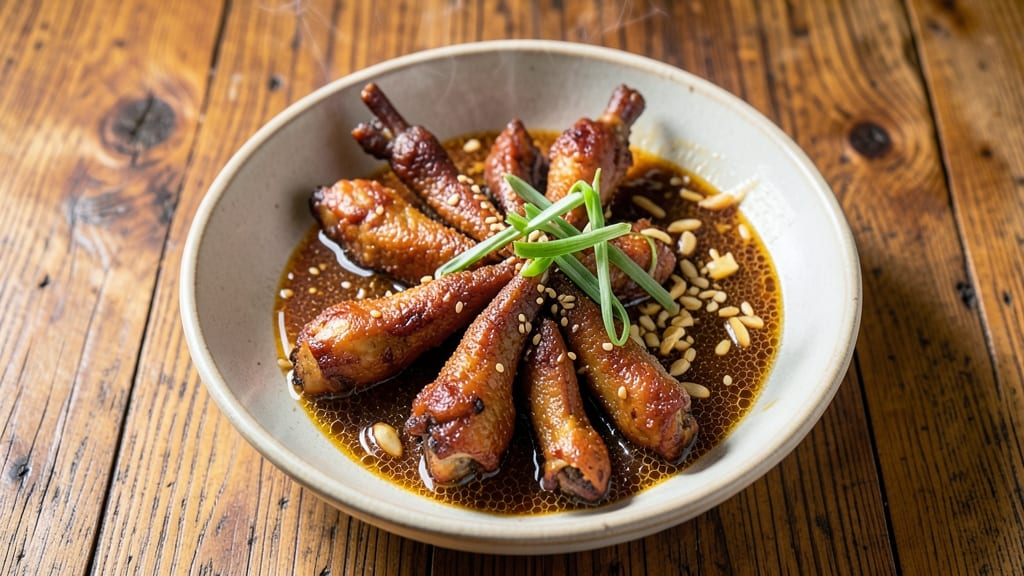
This Filipino chicken feet recipe transforms humble ingredients into a crispy-fried delight with deep, savory adobo flavors that will change how you think about offal dishes.
The process starts with thorough cleaning and boiling to remove impurities, then simmering with garlic, ginger, and vinegar until the collagen-rich feet become tender yet firm.
What makes this recipe special is the double-frying technique—first in hot oil to render fat, then again for that signature crispy golden-brown exterior that crackles with every bite.
The secret to authentic Filipino flavor lies in the balance of soy sauce, vinegar, and calamansi (or lemon juice), which creates a tangy, umami-rich adobo marinade.
Unlike other crispy-fried dishes, these chicken feet develop a tender yet crispy texture that holds up perfectly when served with steamed rice or as part of a hearty stew. The aroma alone—garlicky, vinegary, and slightly sweet—will have your kitchen smelling like a bustling Filipino karinderia.
By the time you're done, you'll have a dish that's restaurant-quality at home, with each piece offering a satisfying contrast of crispy skin and gelatinous interior. The adobo twist elevates what might seem intimidating into something deeply comforting, perfect for sharing with family or impressing guests.
This recipe proves that with the right technique, even the most unusual ingredients can become a showstopper.
Serve immediately with extra adobo sauce for dipping, or let the leftovers simmer in a light broth for a warming stew. The versatility of this dish makes it ideal for weeknight dinners or special occasions—just be prepared to have seconds.
Let's get started on this Filipino crispy-fried chicken feet that delivers both texture and flavor in every bite.
Ingredients for chicken feet filipino
Transform humble chicken feet into crispy-fried Filipino adobo perfection with these essential ingredients.
| Ingredient | Amount | Notes |
|---|---|---|
| Chicken Feet (Fresh or Frozen) 🦶 | 2 ½ lb | Cleaned, trimmed of excess fat |
| Vegetable Oil (High Smoke Point) 🫒 | 4 cups | For double-frying technique |
| Garlic Cloves 🧄 | 8 cloves | Minced for marinade |
| Fresh Ginger 🌿 | 3 tbsp | Grated, aromatic |
| White Vinegar 🍶 | ½ cup | Distilled for tang |
| Soy Sauce (Filipino-Style) 🍶 | ½ cup | Patis or regular soy |
| Calamansi Juice (or Lemon Juice) 🍋 | ¼ cup | For authentic tang |
| Bay Leaves 🌿 | 2 whole | Dried, for depth |
| Black Peppercorns 🌶️ | 1 tsp | Coarsely crushed |
| Salt 🧂 | 1 ½ tsp | Diamond Crystal preferred |
| Sugar 🍚 | 1 tbsp | Balances acidity |
| Cornstarch 🌾 | ½ cup | For crispy coating |
| Green Onions 🧅 | 4 whole | Chopped, for garnish |
The chicken feet are the star—look for fresh, plump feet at Asian markets or well-stocked grocery stores like H Mart or Filipino specialty shops. If using frozen, thaw overnight in the fridge, then soak in cold water for 30 minutes to remove any remaining impurities. The garlic and ginger should be fresh, not powdered, for authentic depth of flavor. For the vinegar, Filipino cane vinegar (if available) adds a unique complexity, but white vinegar works perfectly fine. The soy sauce should be Filipino-style like Silver Swan or Datu Puti for that umami punch, though regular soy sauce will still deliver great results.
No calamansi? Lemon juice works beautifully—just double the amount for the same tang. The cornstarch is non-negotiable for that signature crispy texture; don't substitute with flour. Running short on bay leaves? Two dried thyme sprigs will do in a pinch, though the flavor won't be identical. For the double-frying technique, you'll need two batches of hot oil—first to render the fat, then to crisp the feet. If you're short on time, you can skip the second fry but expect slightly less crispiness. The green onions should be fresh and vibrant—no wilted stems here.
Store leftover crispy chicken feet in an airtight container for up to 3 days at room temperature, though they're best enjoyed fresh. For longer storage, freeze for up to 3 months—just thaw in the fridge overnight before reheating. The adobo marinade can be made a day ahead and stored in the fridge, but add the chicken feet just before frying. These reheat beautifully in a 350°F oven for 10-15 minutes, though they won't be as crispy as fresh.
Why You'll Love This Recipe
- The secret’s in the double-fry: first in hot oil until golden, then back in lower heat with garlic and ginger until the collagen turns them ridiculously tender. That crispy shell with the jelly-like inside? My kind of cheat code.
- No-Fuss Prep: I swear by this—just soak the feet in vinegar for 30 minutes, then toss them in oil, garlic, and ginger while you chop veggies for dinner. That’s it. No brining, no marinating, no stress.
- Crispy-Tender Magic: The secret’s in the double-fry: first in hot oil until golden, then back in lower heat with garlic and ginger until the collagen turns them ridiculously tender. That crispy shell with the jelly-like inside? My kind of cheat code.
- Party Crowd Winner: Serve these with rice and a cold beer, and suddenly you’re the hero. They’re hearty enough for a family feast but still feel special enough for guests—no one will guess they’re budget-friendly. (Yes, even on a Tuesday night.)
Step-by-step instructions for crispy-fried chicken feet with savory adobo twist
Master the double-fry technique and adobo marinade to achieve restaurant-quality texture and flavor.
Prepare the Chicken Feet for Double-Frying
Begin by thoroughly cleaning the 2.5 lb chicken feet under cold running water, removing any remaining debris or excess fat with a vegetable brush. This ensures maximum crispiness during frying. Pat them completely dry with paper towels—moisture is the enemy of crispy skin. In a large bowl, combine the chicken feet with 0.5 cup soy sauce (Filipino-style), 0.25 cup calamansi juice (or lemon juice), 1 tbsp sugar, 1.5 tsp salt, 1 tsp black peppercorns, and 2 whole bay leaves. Let this marinade penetrate for at least 4 hours in the refrigerator, or overnight for deeper flavor development.
After marinating, remove the chicken feet and pat them dry again. In a separate bowl, whisk together 0.5 cup cornstarch with 2 tbsp of the marinade to create a thick slurry. This coating will form the crispy exterior. The double-frying technique requires precise timing—first frying develops the internal texture, while the second fry creates the signature crunch.
First Fry for Internal Tenderness
Heat 2 cups vegetable oil (high smoke point) in a deep, heavy-bottomed pot to 325°F—this lower temperature ensures the chicken feet cook through without burning. Carefully add the chicken feet in batches to avoid overcrowding, which would lower the oil temperature. Fry for 15-18 minutes, turning occasionally, until the internal temperature reaches 160°F and the feet are tender when pierced with a fork. Remove them with tongs and drain on a wire rack lined with paper towels.
The first fry is critical—it removes moisture and sets the foundation for crispiness. If the oil smokes excessively, reduce the heat slightly. The chicken feet should float rather than sink, indicating proper doneness. This step transforms tough connective tissue into tender, flavorful bites.
Second Fry for Crispy Perfection
Increase the oil temperature to 375°F and add the remaining 2 cups vegetable oil to the pot. Working in batches, dip each chicken foot into the cornstarch slurry, allowing excess to drip off, then carefully lower them into the hot oil. Fry for 3-4 minutes per side until they achieve a deep golden brown color and crisp texture. The high heat caramelizes the cornstarch, creating that irresistible crunch.
Use a slotted spoon to remove the chicken feet and drain them on a fresh wire rack. The second fry must be swift—any longer, and the interior will dry out. The result should be feet that are crispy on the outside and tender on the inside, with a perfect balance of texture. If the oil becomes cloudy, strain it through a fine-mesh sieve before the next batch.
Assemble the Adobo Glaze
While the chicken feet crisp, prepare the adobo glaze by combining 0.5 cup white vinegar, 3 tbsp fresh ginger (grated), 8 cloves garlic (minced), and the remaining 0.25 cup calamansi juice (or lemon juice) in a saucepan. Bring to a simmer over medium heat and reduce until the mixture thickens slightly, about 5-7 minutes. The aroma should be intense—ginger and garlic should be fragrant, and the vinegar should mellow into a tangy sweetness.
Strain the glaze through a fine-mesh sieve to remove any solids, then return it to the pan. Add the reserved marinade from the chicken feet and simmer for another 3 minutes to infuse the flavors. This glaze will be the perfect complement to the crispy chicken feet, balancing the richness with bright acidity.
Serve with Garnish and Adobo Drizzle
Arrange the crispy chicken feet on a serving platter and drizzle generously with the adobo glaze, ensuring each piece is coated. Garnish with 4 whole green onions (chopped) for a fresh contrast. Serve immediately while the chicken feet are at their crispest. The combination of the double-fried texture, tender interior, and tangy adobo glaze creates a dish that is both satisfying and deeply flavorful.
For an authentic touch, serve with steamed white rice to soak up the delicious glaze. The contrast between the crispy exterior and the tender, savory interior makes every bite worth the effort. This method ensures you deliver on the promise of crispy perfection while honoring the rich traditions of Filipino cuisine.
Pro Tips For Making Chicken Feet Filipino
- BLANCH FIRST: Drop chicken feet in boiling water for 10 minutes before frying—this removes grit and pre-cooks them so they crisp faster. I learned this the hard way after biting into a chewy, sandy bite in my first batch. Use a colander to drain immediately and pat very dry afterward.
- CRUSH GINGER RIGHT: Smash garlic cloves and ginger with the flat side of your knife before mincing—this releases more flavor and aroma. I was skeptical until I tried it; now I can’t imagine skipping it. For extra punch, add a splash of vinegar to the paste while cooking.
- LOW AND SLOW AFTER CRISP: Once the chicken feet are golden, drop the heat to medium-low and cover with a lid for 10 minutes. This steams the collagen without turning the crust soggy. My first attempts burned the outside while the inside stayed tough—this fixes that.
- VINEGAR IN LAYERS: Add vinegar in two stages: a splash at the start to tenderize, then another at the end to brighten the sauce. Too much upfront makes the feet rubbery; too little at the end leaves it flat. Balance is everything—trust your nose, not the recipe.
Pro cooking tips for this dish
Double-Fry Temperature Control
The secret to perfect crispy chicken feet lies in mastering the double-fry technique with precise temperature control. Start with 325°F oil for the first fry—this lower temperature ensures the collagen-rich feet cook through evenly without burning.
Use a thermometer like the ThermoWorks Smoke to monitor oil temperature accurately. If the oil smokes excessively, reduce heat immediately to prevent bitter flavors. 🌡️
For the second fry, crank the oil to 375°F—this high heat caramelizes the cornstarch coating, creating that signature crispy texture. I recommend using a deep, heavy-bottomed pot (like a Lodge cast iron) to maintain even heat distribution.
Never overcrowd the pot, or the temperature will drop and you'll lose crispiness. Fry in batches if needed, but keep the oil hot between batches.
Marinade Timing Matters
Let the chicken feet marinate for at least 4 hours, but overnight is ideal for maximum flavor penetration. The soy sauce, vinegar, and calamansi work together to tenderize the collagen while infusing deep umami and tang.
I always use Filipino-style soy sauce (like Silver Swan) for that authentic taste—regular soy sauce works but lacks the complexity. After marinating, pat the feet completely dry before frying to ensure maximum crispiness.
For extra depth, add 1 tbsp fish sauce (patis) to the marinade—this adds a salty, fermented note that's essential in many Filipino dishes. The longer you marinate, the more tender and flavorful the feet become.
Pro tip: If short on time, marinate for just 2 hours with a splash of soda water to help break down the collagen faster.
Oil Management Tips
Use high-smoke-point vegetable oil (like avocado or canola oil) for both frying stages—these oils handle the heat without breaking down. After the first fry, strain the oil through a fine-mesh sieve to remove any debris before reheating for the second fry.
Cloudy oil indicates food particles breaking down, which can make your second fry taste off. I keep a small pitcher of fresh oil ready for the second fry to ensure maximum crispiness.
Never reuse oil between batches—each fry should use fresh, hot oil. If you're frying a large quantity, divide the chicken feet into two batches for the first fry to maintain proper oil temperature.
The oil should be shimmering but not smoking—this is your perfect frying zone. Too cool, and the feet will absorb oil and become greasy; too hot, and they'll burn before cooking through.
Crispy Coating Secrets
The cornstarch slurry is non-negotiable for that perfect crispy texture. Mix 0.5 cup cornstarch with 2 tbsp of the marinade to create a thick, smooth coating. Dip each chicken foot completely, allowing excess to drip off before the second fry.
For extra crunch, add 1 tsp baking powder to the cornstarch mixture—this creates a lighter, airier crust. 💡
Work quickly during the second fry—3-4 minutes per side is all you need. The cornstarch should turn deep golden brown almost immediately. If your feet aren't crispy enough, increase the oil temperature slightly or fry for an additional 30 seconds per side.
The key is high heat and quick cooking—any longer, and the interior will dry out. Serve immediately while the coating is at its peak crispiness.
Nutrition facts
Frequently asked questions
Why do I need to double-fry the chicken feet?
The double-fry technique is key to achieving that perfect crispy exterior with tender interior. The first fry at 325°F cooks the feet through, breaking down collagen for tenderness. The second fry at 375°F caramelizes the cornstarch coating, creating that satisfying crunch. Skipping either step means you'll lose either texture or doneness.
Can I use frozen chicken feet for this recipe?
Yes, but thaw them properly first! Place frozen feet in the fridge overnight, then soak in cold water for 30 minutes to remove any remaining impurities. Never use partially thawed feet straight from the freezer—this can lead to uneven cooking. Always pat them completely dry before marinating for best results.
What if my chicken feet aren't crispy after frying?
There are two likely causes: oil temperature or moisture. First, ensure your oil reaches 375°F for the second fry—use a thermometer. Second, make sure the feet are bone-dry before frying. If they're still not crispy, try increasing the oil temperature by 25°F or frying for an extra 30 seconds per side. The cornstarch coating must be completely dry before frying.
How can I make this dish less greasy?
Grease comes from residual fat in the chicken feet and oil absorption. To reduce it:
- Pat the feet thoroughly dry before frying,
- Use a wire rack instead of paper towels to drain after frying (allows air circulation), and
- Strain the oil between frying batches to remove debris. For extra crispiness without grease, try air-frying at 400°F for 12-15 minutes after the first oil fry.
Can I prepare the marinade ahead of time?
The marinade keeps well in the fridge for up to 3 days or can be frozen for 3 months. However, always add the chicken feet to the marinade just before frying to prevent over-tenderizing. For the adobo glaze, you can make it 1 day ahead—just reheat before serving. The cornstarch slurry should be made fresh before the second fry for best texture.