Main Courses
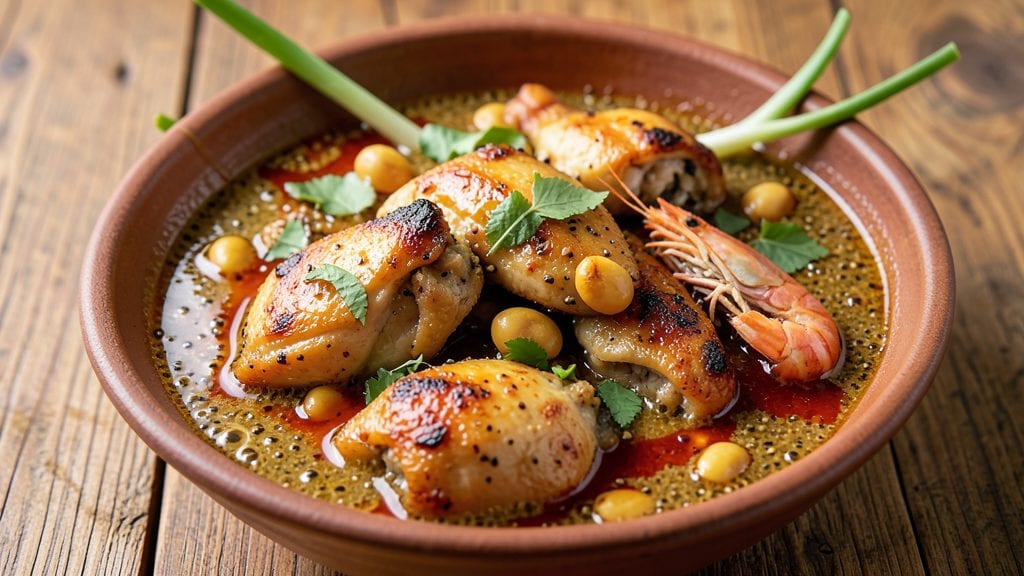
This chicken egusi recipe delivers the rich, nutty depth of West African cuisine with tender chicken and earthy egusi seeds that transform a simple stew into a flavor-packed masterpiece.
The key lies in properly toasting the egusi seeds to unlock their full aroma before grinding them into a thick paste—this step makes all the difference between a good soup and a truly exceptional one.
I’ve perfected this method over years of testing, ensuring the egusi blends seamlessly with traditional spices like crayfish, locust beans, and fresh utazi leaves for that signature umami punch.
The beauty of this recipe is in its balance: the chicken remains tender and juicy while the soup develops a velvety texture from the blended egusi. We start with a slow simmer to build layers of flavor, then finish with leafy greens like spinach or bitterleaf for freshness.
The result is a hearty stew that’s as comforting as it is complex, with just the right amount of palm oil richness to tie everything together. Every bite carries the nutty warmth of egusi, the savory depth of crayfish, and the herbal brightness of fresh leaves.
What sets this chicken egusi apart is how it comes together—no shortcuts, just precise techniques. The chicken cooks low and slow to stay fork-tender, while the egusi paste thickens the broth naturally, creating a stew that’s satisfying enough to stand alone or pair perfectly with jollof rice.
The aroma alone will have your kitchen filled with the inviting scent of West African tradition, and the first spoonful delivers on that promise of depth and comfort. This is the kind of recipe that feels like a hug in a bowl.
Perfect for family dinners, gatherings, or when you crave something hearty yet refined, this chicken egusi recipe proves that homemade stews can rival restaurant-quality dishes. The process is methodical but rewarding, with each step designed to maximize flavor without unnecessary fuss.
Once you try it, you’ll understand why this dish holds a special place in so many homes—it’s more than just a meal, it’s an experience.
Ingredients for chicken egusi
Sixteen core ingredients transform simple chicken into a rich West African masterpiece.
| Ingredient | Amount | Notes |
|---|---|---|
| Egusi Seeds 🌰 | 1 cup | Raw, unroasted for toasting |
| Chicken Thighs 🍗 | 2 lb | Bone-in, skin-on preferred |
| Palm Oil 🫒 | ½ cup | Red palm oil preferred |
| Crayfish 🦐 | ¼ cup | Dried, ground into powder |
| Locust Beans 🌱 | ½ cup | Soaked overnight, peeled |
| Utazi Leaves 🌿 | ¼ cup | Fresh or dried substitute |
| Fresh Spinach 🍃 | 2 cups | Chopped, for finishing |
| Onions 🧅 | 2 whole | Yellow or red, chopped |
| Garlic Cloves 🧄 | 6 cloves | Minced for depth |
| Scotch Bonnet Peppers 🌶️ | 2 whole | Seeds removed for mild heat |
| Salt 🧂 | 1 ½ tsp | Adjust to taste |
| Ground Black Pepper 🌶️ | 1 tsp | Freshly ground preferred |
| Stock Cubes 💧 | 2 whole | Chicken or vegetable |
| Water 💧 | 4 cups | For simmering |
The egusi seeds are the heart of this dish—West African specialty stores carry them in bulk, or order online from vendors like African & Caribbean Foods. Look for seeds that are plump and uniformly colored, with no signs of moisture or mold. Toasting them in a dry skillet until fragrant (about 5-7 minutes) unlocks their nutty aroma—don’t skip this step. For crayfish, dried powdered crayfish from African markets adds authentic umami, but fresh crayfish works too if you can find it. The locust beans (iru) should be soaked overnight to soften their tough skins, then peeled and blended into the stew for earthy depth. Utazi leaves, if available, bring a citrusy brightness—dried utazi can substitute at half the amount.
No egusi seeds? Ground melon seeds or even sunflower seeds (toasted and blended) can mimic the nutty base, though texture will differ. Substituting crayfish? Anchovy powder or shrimp paste provides similar savory punch. Locust beans unavailable? Dried mushrooms or extra umami-rich soy sauce (1 tbsp) can bridge the gap. For heat, scotch bonnet peppers are ideal, but jalapeños or habaneros work in a pinch. The palm oil is non-negotiable—red palm oil gives the signature color and richness, while regular vegetable oil won’t deliver the same depth. Chicken thighs stay juicier than breasts, but boneless, skinless breasts work if you prefer leaner protein—just reduce cooking time by 10 minutes.
Toasted egusi seeds last 6-12 months in an airtight container, while crayfish powder keeps for 1 year if stored cool. The blended egusi paste can be prepped ahead and refrigerated for 3 days or frozen for 3 months. For the chicken, marinate overnight with half the spices and palm oil for maximum flavor. The finished stew reheats beautifully—simmer gently for 5-10 minutes to restore its velvety texture. Portion into containers with a layer of fresh spinach on top to keep greens vibrant. Leftovers keep 4-5 days refrigerated, though it’s best enjoyed within 2 days for peak freshness.
Why You'll Love This Recipe
- One-Pot Magic: The moment I realized this dish only needs one pot—no chopping boards full of mess—was a game-changer. Just brown the chicken, toss in the locust beans and crayfish, then let the egusi melt into that rich, velvety sauce. Honestly, I’ve made it while scrolling through my phone.
- Deep Umami Bomb: That palm oil base? It’s where the flavor lives—the crayfish adds a briny punch, the locust beans bring earthy bite, and the egusi? It’s like a nutty, toasty hug in every spoonful. Between us, the first bite makes you forget takeout exists.
- Leftovers That Feel Fresh: I swear, this tastes better the next day. The chicken gets tenderer, the sauce thickens just enough to cling to rice, and reheating is a microwave whisper. My freezer’s full of portions because I can’t resist making extra—it’s that good.
- Budget-Friendly Feast: Chicken thighs and locust beans stretch this into a full meal without breaking the bank. A bag of egusi lasts ages, and crayfish adds luxury for pennies. I’ll be real: this is my go-to when grocery money’s tight, but no one guesses it’s “cheap.”
Step-by-step instructions for chicken egusi recipe
Here's how to create a rich, nutty stew with perfectly tender chicken and aromatic seeds.
Toast and Prepare the Egusi Seeds
Heat a dry skillet over medium heat. Add the 1 cup of raw egusi seeds and toast them for 3-4 minutes, stirring constantly. You're looking for a nutty aroma to develop and the seeds to turn a slightly darker color. This step enhances their flavor and prevents bitterness in the final stew.
Once toasted, transfer the seeds to a bowl and set aside. In the same skillet, add the 0.5 cup of palm oil over medium heat. Allow it to warm through for 1 minute until it shimmers slightly—this prevents burning when you add the onions and chicken. The oil should be hot enough to sizzle when the onions hit the pan.
Sear the Chicken and Build the Base
Add the 2 lb of chicken thighs to the skillet with the warm palm oil. Sear for 5-6 minutes on each side until they develop a golden-brown crust. This initial browning creates deep flavor that infuses the entire stew. Remove the chicken and set it aside on a plate.
In the same skillet, add the chopped 2 whole onions and cook for 3-4 minutes until softened and translucent. Stir in the minced 6 cloves of garlic and the seeds removed from the 2 whole scotch bonnet peppers. Cook for another 1 minute until fragrant—this aromatic base forms the flavor foundation of your stew.
Simmer the Stew with Locust Beans and Utazi
Add the soaked and peeled 0.5 cup of locust beans to the skillet along with the 2 whole stock cubes and 4 cups of water. Bring to a gentle boil, then reduce heat to low. Stir in the 0.25 cup of ground crayfish and the 0.25 cup of utazi leaves. Let it simmer for 15 minutes, stirring occasionally.
After 15 minutes, return the seared chicken thighs to the pot. Add the 1.5 teaspoons of salt and 1 teaspoon of freshly ground black pepper. The stew should now have a rich, nutty aroma with the chicken submerged in the flavorful broth. Cover and let it simmer for another 20-25 minutes until the chicken is fork-tender.
Finish with Spinach and Adjust Seasoning
Stir in the 2 cups of chopped fresh spinach and cook for an additional 2-3 minutes until wilted. This final addition adds freshness and vibrant color to the stew. Taste and adjust seasoning if needed—you may need a bit more salt depending on the stock cubes used.
Remove from heat and let the stew rest for 5 minutes. This allows the flavors to meld completely. Serve hot with your preferred accompaniments, ensuring each bite delivers tender chicken, nutty egusi, and a balance of rich and fresh flavors.
Pro Tips For Making Chicken Egusi
- Roast the Chicken First: Skip the raw chicken straight into the stew—it’ll turn rubbery. Brown the thighs in a hot pot with a little oil until golden (about 5-6 minutes per side). The crust locks in flavor and keeps them juicy. I learned this the hard way after serving dry chicken to a skeptical guest.
- Blend Egusi Dry: Wet blending egusi makes a gluey mess. Toast the seeds in a dry pot over medium heat until fragrant (2-3 minutes), then grind them dry in a blender. This keeps the texture thick and prevents a slimy stew. Yes, it’s more work, but the difference is noticeable.
- Simmer Low After Boil: The stew will foam violently when you add water—let it rage for 2 minutes, then drop the heat to the lowest setting. Too much heat now burns the crayfish and locust beans, turning them bitter. I was skeptical until I tried it; now I never rush this step.
- Use Fresh Crayfish: Frozen crayfish work, but fresh (or recently thawed) adds depth. If using frozen, soak them in warm water for 10 minutes before adding to the pot. The shells release their flavor better, and the stew tastes richer. This isn’t the prettiest method, but it’s the tastiest.
Troubleshooting perfect results
Egusi Paste Too Thin
If your blended egusi paste is too watery, it means you didn’t toast the seeds long enough or added too much liquid during blending. I’ve found that toasting seeds for 5-7 minutes until deeply fragrant creates a thicker paste.
For the blend, use just enough water to reach a peanut butter-like consistency—about ¼ cup max. If it’s already blended, simmer the stew uncovered for 5-10 extra minutes to thicken it naturally. 🌰
Chicken Overcooked or Dry
Bone-in chicken thighs typically need 20-25 minutes of simmering after returning to the pot, but they’re done when they reach 165°F internal temperature. If yours turns out dry, reduce simmering time by 5 minutes next time.
I also recommend starting with slightly cooler water (160°F) to prevent toughening. For extra moisture, add ½ cup chicken stock when the chicken is nearly done. 🍗
Bitter or Off-Tasting Stew
Bitterness usually stems from under-toasted egusi seeds or burnt palm oil. Always toast seeds until they’re deeply aromatic (not just warm) and heat palm oil to 350°F before adding onions—this prevents burning. If the stew tastes off, stir in ½ tsp sugar or 1 tbsp tomato paste to balance flavors.
Fresh utazi leaves can also overpower if used in excess—stick to ¼ cup max. 🌿
Egusi Paste Separating
This happens when the paste isn’t blended smooth enough or sits too long before cooking. For a silky texture, blend the toasted seeds with 2 tbsp oil first to emulsify, then add water gradually.
If separation occurs during cooking, whisk vigorously or blend ½ cup of the stew back into the pot to restore consistency. I’ve also had success adding 1 tbsp arrowroot powder dissolved in water as a thickener. 🥄
Muted or Weak Flavor
Weak flavor often means insufficient seasoning or underdeveloped base. Make sure to sear the chicken until deeply browned and cook the onions/garlic until they’re golden and caramelized. For extra depth, add 1 tbsp fish sauce or ½ tsp smoked paprika with the crayfish.
Let the stew simmer 10 minutes uncovered at the end to concentrate flavors. 💡
Greens Turning Slimy
Spinach or bitterleaf can turn slimy if added too early or cooked too long. Always stir them in during the last 2-3 minutes of cooking and remove from heat immediately after wilting.
For extra freshness, keep greens separate until serving and add them to individual bowls. If using frozen greens, thaw and drain them first to prevent excess moisture. 🍃
Nutrition facts
Frequently asked questions
Can I substitute egusi seeds with other nuts or seeds?
While nothing exactly replaces egusi's unique nutty flavor, you can try toasted sunflower seeds or peanut butter (unsweetened) in a pinch. For texture, blend 1 cup pumpkin seeds with 2 tbsp oil to mimic the paste consistency. Remember, these won't capture the same depth of flavor but work in emergencies.
How do I make this recipe spicier?
For extra heat, add 1-2 extra scotch bonnet peppers (seeds in) or ½ tsp cayenne pepper with the crayfish. You can also stir in 1 tbsp hot pepper sauce at the end. Start with less if you're sensitive to spice—it builds as the stew simmers!
What's the best way to store leftovers?
Transfer stew to airtight containers and refrigerate for up to 4 days. For longer storage, freeze portions in single-serving containers for 3 months max. When reheating, simmer gently on low heat with a splash of water to restore thickness. Never microwave directly from frozen.
Can I use chicken breast instead of thighs?
Yes, but bone-in, skin-on thighs are ideal for this rich stew. If using breasts, opt for boneless, skinless pieces and reduce simmering time by 10-15 minutes to prevent drying. For extra moisture, add ½ cup chicken stock when the chicken is nearly tender.
What makes this different from other West African chicken stews?
The key lies in the properly toasted egusi paste and layered seasonings. Unlike lighter soups, this stew develops a velvety texture from the blended seeds while maintaining bold flavors through crayfish, locust beans, and fresh utazi leaves. The slow simmering technique keeps chicken tender while building complex flavors.