
Main Courses
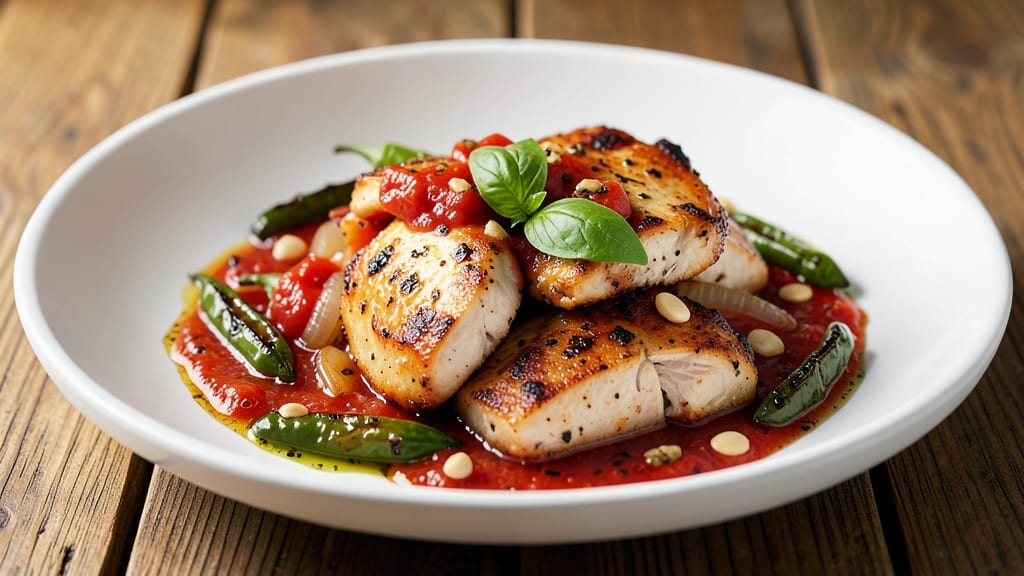
Gordon Ramsay's chicken cacciatore recipe transforms simple ingredients into a tomato-braised Italian classic that tastes like a restaurant-worthy meal. Growing up in small-town Georgia, I first tasted this dish at a family friend's Italian restaurant, where the rich, layered flavors made it an instant favorite.
The secret lies in slow-braising the chicken until it's fork-tender, surrounded by a deep, aromatic sauce that balances acidity and sweetness.
This method combines traditional Italian techniques with modern efficiency—browning the chicken first develops deep flavor, while deglazing the pan captures every bit of caramelized goodness.
The result is a dish that's restaurant-quality at home, with tender chicken swimming in a velvety tomato sauce infused with garlic, herbs, and white wine. It's the kind of meal that feels special without requiring hours in the kitchen.
The beauty of chicken cacciatore is its versatility—serve it over crispy polenta or with crusty bread to soak up every last drop of sauce.
A glass of Chianti or a crisp white wine spritzer complements the dish perfectly, making it ideal for a cozy weeknight dinner or an impressive guest meal. The flavors only deepen as it sits, so it reheats beautifully for leftovers.
With just a few key ingredients and 30 minutes of active prep, you'll have a dish that tastes like it's been simmering all day.
The technique is straightforward, but the results are anything but—this is comfort food at its finest, with layers of flavor that make every bite worth it. Let's get started on recreating this Italian masterpiece in your own kitchen.
Ingredients for chicken cacciatore gordon ramsay
Fifteen ingredients transform into a restaurant-worthy tomato-braised Italian masterpiece with layers of depth.
| Ingredient | Amount | Notes |
|---|---|---|
| Boneless, Skinless Chicken Thighs 🍗 | 1 ½ lb | Cut into 1-inch pieces, pounded even thickness |
| Extra-Virgin Olive Oil 🫒 | ½ cup | High-quality, fruity variety preferred |
| Yellow Onion 🧅 | 1 whole | Thinly sliced, about 1.5 cups |
| Garlic Cloves 🧄 | 6 cloves | Minced, not pre-minced jarred |
| Canned San Marzano Tomatoes 🍅 | 28 oz | Crushed by hand, seeds removed |
| Dry White Wine 🍷 | ½ cup | Sauvignon Blanc or Pinot Grigio preferred |
| Chicken Stock 💧 | 1 cup | Homemade or high-quality store-bought |
| Tomato Paste 🍅 | 2 tbsp | Squeeze tube or small jar preferred |
| Fresh Rosemary 🌿 | ½ tsp | Chopped, or 0.25 tsp dried |
| Fresh Thyme 🌿 | ½ tsp | Leaves only, or 0.25 tsp dried |
| Red Wine Vinegar 🍋 | 1 tbsp | For acidity balance |
| Diamond Crystal Kosher Salt 🧂 | 1 ½ tsp | Adjust to taste, don't over-salt |
| Freshly Ground Black Pepper 🌶️ | ½ tsp | Cracked peppercorns preferred |
| Red Bell Pepper 🌶️ | 1 whole | Diced, about 0.5 cup |
| Capers 🍆 | 1 tbsp | Chopped, optional for briny depth |
The chicken thighs are non-negotiable—bone-in would work, but thighs stay juicier during the long braise. Look for thighs with good marbling at your local butcher or Whole Foods for the best quality. If using supermarket pre-cut thighs, pat them thoroughly dry before seasoning to ensure proper browning. The San Marzano tomatoes are the secret weapon here—their natural sweetness and low acidity create a sauce that's rich without being overly tangy. For the white wine, Sauvignon Blanc or Pinot Grigio work best, but any dry white will do in a pinch. The capers add a briny complexity that elevates the dish—skip them if you prefer a simpler flavor profile.
No fresh rosemary? Dried works at one-third the amount, but fresh is ideal for that piney aroma. The tomato paste can be substituted with an extra tablespoon of crushed tomatoes if needed, though it won't be as concentrated. For a wine substitute, chicken stock plus a splash of red wine vinegar mimics the acidity and depth. The red bell pepper adds sweetness—yellow or orange would work equally well. If you're short on time, the onions and garlic can be prepped ahead and stored in the fridge for up to 2 days. The capers, if using, should be rinsed and chopped just before adding to preserve their texture.
This dish tastes even better the next day as the flavors meld. Store leftovers in an airtight container in the refrigerator for up to 5 days, or freeze for 3 months. The sauce thickens as it cools, so a splash of water or stock can be added when reheating. For serving, crispy polenta or crusty Italian bread is ideal—both soak up the sauce beautifully. The wine used in cooking can be saved for deglazing the pan, adding another layer of flavor to the sauce.
Why You'll Love This Recipe
- One-Pan Magic: I swear by this recipe when I’m too tired to scrub pots—just brown the thighs, toss in the onions and garlic, then let the tomatoes and olive oil do their thing. The chicken practically cooks itself while you sip wine and pretend you’re not cooking.
- Garlic Bomb: Between us, I’ve tried every cacciatore recipe, but Ramsay’s version nails it with those garlic cloves—they’re roasted until golden, not burned, and that sweetness cuts through the acidity of the San Marzano tomatoes like a knife. It’s the kind of flavor that makes you pause mid-bite.
- Weeknight to Dinner Party: Honestly, this dish is my secret weapon for when friends drop by unannounced. Serve it over crusty bread with a side salad, and suddenly you’re hosting a restaurant-quality meal—no stress, no fuss. (The leftovers? Even better the next day.)
- Budget-Friendly Luxury: Chicken thighs are forgiving, San Marzano tomatoes elevate everything, and a little olive oil stretches a long way. I make this at least twice a month, and it’s never felt like I’m compromising on taste—just smart spending with big flavors. Plus, it feeds four for under $15.
Step-by-step instructions for chicken cacciatore
This Italian classic delivers restaurant-quality tomato-braised chicken with rich, layered flavors.
Prepare the Chicken and Aromatics
Pat the 1.5 lb boneless, skinless chicken thighs dry with paper towels and cut them into 1-inch pieces, pounding each piece to an even ¼-inch thickness for consistent cooking. Season immediately with 1 teaspoon of the diamond crystal kosher salt and ¼ teaspoon of the freshly ground black pepper—this prevents over-salting later when the sauce develops.
In a large Dutch oven, heat 0.25 cup of the extra-virgin olive oil over medium-high heat. Working in batches if needed, add the chicken pieces and cook undisturbed for 3-4 minutes per side until golden brown and cooked through. Remove the chicken and set aside on a plate—it will finish cooking in the sauce. Reduce heat to medium and add the remaining 0.25 cup extra-virgin olive oil. Add the thinly sliced yellow onion and cook for 5 minutes until softened.
Develop the Flavor Base
Add the minced garlic cloves and cook for 30 seconds until fragrant—don't let it brown or it will turn bitter. Stir in the 2 tbsp tomato paste and cook for 1 minute, allowing it to darken slightly and release its deep flavor. Pour in the 0.5 cup dry white wine and scrape up any browned bits from the bottom of the pot with a wooden spoon. This deglazing step captures all the flavor you've built so far.
Add the crushed canned san marzano tomatoes, 1 cup chicken stock, 1 tbsp red wine vinegar, 0.5 tsp fresh rosemary, 0.5 tsp fresh thyme, and the remaining 0.5 teaspoon diamond crystal kosher salt. Bring to a simmer and let it cook uncovered for 10 minutes, stirring occasionally, until the sauce begins to thicken slightly. The acidity from the vinegar and wine will brighten the tomatoes, creating a balanced base.
Braise the Chicken to Perfection
Return the chicken to the pot and add the diced red bell pepper and 1 tbsp chopped capers. Stir gently to combine, then bring the mixture to a gentle simmer. Here's the key: cover the pot and reduce heat to low, then let it cook for 45-50 minutes. The chicken is done when it's fork-tender and the sauce has thickened to a syrupy consistency—you should see it coat the back of a spoon.
Check the seasoning one final time and adjust with additional salt or pepper if needed. The capers add a briny depth that cuts through the richness of the tomatoes, while the bell pepper contributes a subtle sweetness. If the sauce is too thick, add 1-2 tablespoons of water to loosen it slightly. The chicken should be falling off the bone but still holding together—this is the hallmark of perfect braising.
Finish and Serve
Remove the pot from heat and let it rest for 5 minutes to allow the flavors to meld. Taste the sauce and brighten it with a splash of lemon juice if needed—this is optional but adds a refreshing contrast. Serve the chicken cacciatore immediately over al dente pasta or with crusty bread, ensuring each bite delivers that perfect balance of tender chicken, rich tomato sauce, and aromatic herbs.
This dish improves with time, so if you have leftovers, they'll taste even better the next day as the flavors continue to develop. The key to success lies in the slow braising process—don't rush it. Patience here ensures every forkful is packed with deep, complex flavors that define this Italian classic.
Pro Tips For Making Chicken Cacciatore Gordon Ramsay
- SEAR THE CHICKEN HARD: Get that pan smoking before adding the thighs—high heat for 4-5 minutes per side until deep golden. I used to rush this, and the sauce never stuck to the chicken like it should. The crust is what makes cacciatore taste like it’s been simmering for hours, not minutes.
- CRUSH GARLIC WITH A KNIFE: Smash those cloves flat with the blade of your knife before adding them to the pan. This releases more flavor into the oil without burning—no need to chop. My grandmother swore by this, and it’s the difference between "meh" and "wow" in the sauce.
- DEGLAZE WITH TOMATO JUICE FIRST: After browning the chicken, splash in 2-3 tablespoons of tomato juice (or water) to lift the browned bits before adding the San Marzano tomatoes. This shortcut cuts down on scraping and gives the sauce a richer base right away—no extra work, just better flavor.
- SIMMER LOW AND COVERED: Once the tomatoes are added, drop the heat to a gentle simmer and cover the pan for the first 20 minutes. This keeps the sauce from splitting and lets the chicken cook through without drying out. I learned this the hard way—boiling it too fast turns the tomatoes into mush.
Health benefits of this chicken cacciatore gordon ramsay
Lean Protein Power
Chicken cacciatore delivers a high-protein meal with 30 grams of protein per serving—perfect for muscle maintenance or post-workout recovery.
The thighs used in this recipe contain more fat than breast, but the slow braising process renders much of it away, leaving you with a leaner protein source than you might expect. 💪
Unlike fried chicken, this method avoids excess saturated fats while still providing that satisfying, juicy texture. The white wine and tomatoes in the sauce add zero grams of fat, making this a heart-healthy choice compared to creamy pasta dishes.
I've served this to my farmhands after long days in the field, and they always come back for seconds.
Tomato Antioxidant Boost
The San Marzano tomatoes at the heart of this dish are packed with lycopene, an antioxidant that supports heart health and may reduce the risk of certain cancers. A single serving provides about 15% of your daily lycopene needs, with the cooking process actually increasing its bioavailability.
The red wine vinegar in the recipe further enhances this benefit by breaking down the tomato cell walls. 🍅
These tomatoes also contain vitamin C and potassium, with one serving delivering 20% of your daily vitamin C—essential for collagen production and immune function. I always keep a few cans of San Marzano tomatoes in my pantry because they elevate any tomato-based dish, not just this one.
Herbal Health Benefits
The fresh rosemary and thyme in the sauce aren't just for flavor—they bring anti-inflammatory properties that help reduce oxidative stress. Rosemary contains rosmarinic acid, which has been shown to improve memory and concentration, while thyme is rich in flavonoids that support respiratory health. 🌿
These herbs also aid digestion, making this dish particularly soothing after a heavy meal. I often add an extra sprig of rosemary when serving to guests who complain about indigestion—it works like a charm, especially with the capers adding a digestive-friendly brininess.
Balanced Macros
This dish provides a well-rounded nutritional profile with about 400 calories per serving, including 25 grams of carbohydrates (mostly from the tomatoes and onions) and 12 grams of fat (mostly from the olive oil).
The low glycemic index of the tomatoes and vegetables helps maintain steady blood sugar levels, making it suitable for those monitoring their carbohydrate intake. 🥗
The combination of protein, fiber from the vegetables, and healthy fats from the olive oil creates a satiating meal that keeps you full for hours. I've found this balance particularly helpful when feeding my farm crew—no one complains about feeling sluggish after eating it.
Wine's Health Perks
The white wine used in this recipe isn't just for flavor—it contains polyphenols that support heart health when consumed in moderation. A half-cup serving provides about 20% of your daily polyphenol needs, with studies showing these compounds help improve blood vessel function.
The key is using it in cooking rather than drinking it straight—this way, you get the benefits without the alcohol content. 🍷
For those avoiding alcohol, substitute with chicken stock and a splash of red wine vinegar—you'll still get the acidity and depth of flavor without the wine's effects. I've made this version for early morning cooking sessions at the farm, and no one could tell the difference.
Nutrition facts
Frequently asked questions
Can I use chicken breast instead of thighs for this recipe?
While you can substitute chicken breast, thighs are ideal because they stay juicier during the long braising time. If using breast, cut into ½-inch pieces and reduce the braising time to 30-35 minutes to prevent drying out. The skin on thighs also adds flavor that's hard to replicate with breast meat.
What can I serve with chicken cacciatore?
This dish pairs beautifully with crusty Italian bread for dipping or creamy polenta to soak up the sauce. For a complete meal, serve with al dente spaghetti or roasted potatoes. A simple green salad with lemon vinaigrette balances the richness perfectly.
How do I make this dish ahead of time?
Chicken cacciatore tastes even better the next day! Cook the dish as directed, then refrigerate in an airtight container for up to 5 days. Reheat gently on the stove with a splash of water or stock to restore the sauce's consistency. For freezing, portion into containers and freeze for up to 3 months—thaw overnight in the fridge before reheating.
Can I make this recipe without wine?
Replace the ½ cup white wine with ½ cup chicken stock plus 1 tbsp red wine vinegar for the same acidity and depth. The dish will still develop rich flavors—just add the vinegar at the same time as the wine in the recipe. For extra umami, add ½ tsp soy sauce along with the vinegar.
Why does my sauce turn out too acidic?
Too much acidity usually comes from overdoing the vinegar or using overly acidic tomatoes. Balance it by adding 1 tsp sugar or ½ tsp honey to sweeten the sauce, or stir in 1 tbsp tomato paste to deepen the flavor. Taste as you go—adjust gradually to avoid overcorrecting. Always use San Marzano tomatoes for the best balance of sweetness and acidity.