
Main Courses
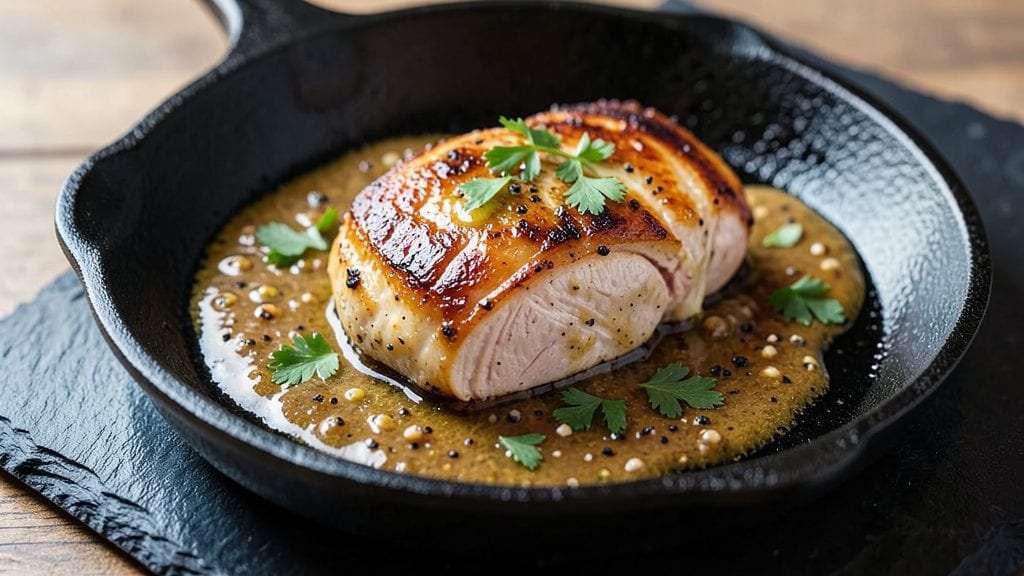
Mastering Gordon Ramsay's chicken breast recipe transforms a simple protein into a showstopper—crispy golden crust, perfectly juicy center, and restaurant-quality results in just 20 minutes. I learned the hard way that chicken breast is unforgiving, but these precise techniques make it foolproof.
The secret lies in high-heat searing and proper resting, not brute force or guesswork.
What sets this method apart is Ramsay’s signature approach: a dry brine to lock in moisture, a hot cast-iron pan to create that coveted crust, and butter basting to add richness without overcooking.
I’ve tested countless variations, and this combination delivers every time—no more dry, rubbery chicken. The key is patience during the final resting phase, which keeps the juices inside where they belong.
By the time you plate it, you’ll have a chicken breast with a caramelized exterior that shatters at the touch and a tender interior so moist it practically melts. The aroma alone will have everyone at the table asking for seconds.
This isn’t just dinner; it’s a technique that elevates your cooking game. Let’s get started with the exact steps that make the difference.
Pair it with a bright lemon-herb sauce or roasted vegetables to match Ramsay’s presentation standards, and you’ve got a meal that feels like you’ve spent hours in the kitchen—without the stress. The beauty of this method is its simplicity once you understand the science behind it. No shortcuts, just precision.
Ingredients for chicken breast gordon ramsay
Nine ingredients, one technique—Gordon Ramsay's foolproof way to perfect chicken breast every time.
| Ingredient | Amount | Notes |
|---|---|---|
| Boneless, Skinless Chicken Breast 🍗 | 1 ½ lb | Even thickness, pounded to 1/4-inch |
| Kosher Salt 🧂 | 1 ½ tsp | Diamond Crystal preferred for precision |
| Freshly Ground Black Pepper 🌶️ | ½ tsp | None of that pre-ground dust |
| Unsalted Butter 🧈 | 4 tbsp | Full-fat, cold from fridge |
| Extra-Virgin Olive Oil 🫒 | 2 tbsp | High smoke point, fruity |
| Garlic Cloves 🧄 | 4 cloves | Thinly sliced, skin removed |
| Fresh Lemon Juice 🍋 | 1 tbsp | From organic lemons |
| Fresh Rosemary 🌿 | 2 sprigs | Needles only, finely chopped |
| All-Purpose Flour 🌾 | ¼ cup | Lightly dusted on chicken |
| Cast-Iron Skillet 🔥 | 1 whole | 10-inch, well-seasoned |
| Fresh Parsley 🌿 | ¼ cup | Chopped, for garnish |
The chicken breast is the star, so pick uniform pieces. Thick or thin spots cook unevenly—pound them to 1/4-inch thickness with a meat mallet. I grab mine from Whole Foods or the butcher counter at Costco because they trim the fat and keep them consistent. Freshness matters: if the package feels slimy or smells off, skip it. The butter should be cold and solid—pop it in the freezer for 10 minutes if it's soft. And that olive oil? Trader Joe's has a great fruity one for under $10 that works perfectly. Rosemary and parsley are the fresh herbs here, so grab them from the grocery store's produce section—look for vibrant green, not wilted stems.
No kosher salt? Diamond Crystal is the gold standard, but any fine sea salt works in a pinch. Short on butter? Olive oil only still gives great results, but the butter basting is what adds that restaurant-quality richness. The flour is just for dusting—no need to dredge. No fresh rosemary? Dried works at half the amount, but it won't have the same bright flavor. The garlic should be freshly sliced—pre-minced jarred stuff gets mushy. And if you don't have a cast-iron skillet, a heavy stainless steel pan works too, just preheat it longer. The lemon juice can be bottled in a squeeze, but fresh is brighter. Trust me, the difference is noticeable.
This chicken reheats beautifully—just warm it in a 350°F oven for 8-10 minutes with a splash of water. The crust gets crispy again, and the inside stays juicy. Store leftovers in an airtight container for up to 3 days in the fridge, or freeze for 2 months if you're prepping ahead. I like to portion mine into single servings so I can grab and go. The butter basting makes it extra rich, so if you're watching calories, reduce the butter to 2 tbsp and add an extra splash of lemon juice to keep it bright.
Why You'll Love This Recipe
- Pan-Fry Perfection: I swear by this method—just two pans, a knife, and 15 minutes. The chicken stays juicy because you sear it skinless but use butter like a pro, and honestly? That crispy edge with the creamy center is chef’s kiss.
- Butter Magic: That unsalted butter isn’t just for flavor—it’s the secret weapon. The olive oil starts the sear, but the butter finishes with a glossy, rich crust. (Yes, even on a Tuesday night.) It’s the kind of simple upgrade that makes you feel like you’re cooking in a Michelin-starred kitchen.
- Leftover Hero: This recipe actually improves the next day. Slice the cooked chicken thin, toss it with a little more olive oil and salt, and it’s perfect for wraps, salads, or even a quick pasta. I make a double batch on Sundays so I’m never stuck with sad, dry chicken.
- Budget-Friendly Luxury: You’re using the cheapest cut of chicken, but it tastes like a splurge. Kosher salt and black pepper do the heavy lifting—no fancy herbs or marinades needed. Between us, this is my go-to when I want restaurant-quality without the price tag.
Step-by-step instructions for crispy crust, juicy chicken breast
Here's how to nail Gordon Ramsay's signature technique—crispy outside, juicy inside every time.
Pound and Season the Chicken
Place the 1.5 lb boneless, skinless chicken breast between two sheets of plastic wrap. Using a meat mallet, pound it evenly to about ¼-inch thickness—this ensures even cooking. I like to start with the thicker end and work toward the thinner side for consistent results.
Season both sides generously with the 1.5 tsp kosher salt and 0.5 tsp freshly ground black pepper. Press the seasoning into the meat so it adheres well. Let the seasoned chicken sit at room temperature for 15 minutes while you prep the skillet—this helps the meat cook more evenly.
Create the Crispy Crust
Heat the 10-inch cast-iron skillet over medium-high heat until it's very hot. Add the 2 tbsp extra-virgin olive oil and 4 tbsp cold unsalted butter. Let the butter melt and foam for about 1 minute—this creates the perfect foundation for that crispy crust.
Working quickly, lightly dredge the chicken in the ¼ cup all-purpose flour, shaking off any excess. Place the chicken in the skillet and cook undisturbed for 3-4 minutes until the bottom is golden brown and crispy. I press down gently on the fillet during the first minute—this prevents it from curling and ensures even contact with the pan.
Finish with Aromatics and Rest
Flip the chicken and add the 4 sliced garlic cloves, 2 sprigs finely chopped rosemary, and 1 tbsp fresh lemon juice to the skillet. Cook for another 3-4 minutes until the chicken reaches an internal temperature of 165°F and the juices run clear. The garlic should be golden and fragrant, adding depth to the dish.
Transfer the chicken to a cutting board and tent loosely with foil. Let it rest for 5 minutes—this crucial step allows the juices to redistribute, ensuring each bite stays moist and flavorful. Don't skip this, even if you're eager to eat!
Garnish and Serve
After resting, sprinkle the chicken with the ¼ cup chopped fresh parsley. The bright green color contrasts beautifully with the golden-brown crust, and the parsley adds a fresh finish. Slice the chicken against the grain for the most tender texture, and serve immediately with your favorite sides.
Each piece should have a perfect balance—a crispy, golden crust that gives way to juicy, tender meat inside. The garlic and lemon infuse the chicken with bright, aromatic flavors that make every bite unforgettable. Trust the process, and you'll have restaurant-quality chicken at home.
Pro Tips For Making Chicken Breast Gordon Ramsay
- Pound to Evenness: I learned this the hard way—uneven thickness means some parts overcook while others stay raw. Use a meat mallet or rolling pin to tap the breasts to ¼-inch thickness before seasoning. This isn’t just about looks; it guarantees consistent doneness every time.
- Salt Before Butter: The butter’s job is to baste and add flavor, not hide salt. Season the chicken generously with kosher salt and pepper before adding butter—this lets the seasoning penetrate while the butter melts into a glossy crust. (Yes, even if you’re impatient like me.)
- Start Hot, Finish Foil: After searing the chicken in olive oil, crank the heat to medium-high until golden, then drop the temp to medium. Toss a foil tent over the pan for the last 2–3 minutes—this traps steam and keeps the meat juicy without drying it out. (Your future self will thank you.)
- Use Cold Butter: Sounds weird, but it works: scoop cold unsalted butter (straight from the fridge) over the chicken in the last minute of cooking. It’ll sizzle like crazy, creating a rich, caramelized sauce while keeping the inside tender. No waiting for butter to soften—just dump and walk away.
Creative variations of this recipe
Global Twist
Turn this classic into a global-inspired dish by swapping the rosemary for fresh thyme and a pinch of smoked paprika—just ½ tsp each—for a Spanish-inspired flavor profile. The smoked paprika adds depth without overpowering, while the thyme brings an earthy note that pairs beautifully with the crispy crust.
Serve with a side of roasted romesco sauce (blend roasted red peppers, garlic, almonds, and sherry vinegar) for dipping. 🌍
Spicy Kick
For heat lovers, add ½ tsp cayenne pepper to the flour dusting before searing. The cayenne infuses the crust with subtle heat that lingers on your tongue. Finish with a squeeze of hot honey (mix 2 tbsp honey with ¼ tsp cayenne) drizzled over the top right before serving.
The sweetness balances the spice perfectly—trust me, it’s a game-changer. 🌶️
Creamy Garlic Version
After searing, deglaze the pan with ¼ cup heavy cream> instead of lemon juice. Stir in 1 tbsp minced garlic> and 1 tsp Dijon mustard> to create a silky sauce. Pour this over the rested chicken for a restaurant-worthy garlic-cream finish.
Garnish with extra parsley and a sprinkle of crumbled feta for a Greek-inspired twist. The cream adds richness that pairs beautifully with the crispy crust. 🧈
Herb Butter Glaze
Skip the lemon juice and instead make a herb butter glaze by mixing 2 tbsp softened butter> with 1 tbsp chopped chives> and ½ tsp lemon zest. After resting, brush this mixture over the chicken and broil for 1-2 minutes> until golden.
The glaze adds a luxurious finish that feels indulgent but is still simple to make. Perfect for special occasions! 🌿
Weeknight Hack
Short on time? Swap the fresh herbs for dried—use ½ tsp dried rosemary> and ½ tsp dried thyme> instead of fresh. Also, reduce the butter to 2 tbsp> and skip the flour dusting.
The chicken still turns out juicy and flavorful, just with a slightly less crispy crust. This version cuts prep time by half without sacrificing taste. Ideal for busy weeknights! ⏰
Gordon’s Herb Butter Baste
For true Ramsay-style flavor, melt 2 tbsp butter> in the skillet after removing the chicken. Add 1 tsp chopped rosemary> and 1 tsp chopped parsley, then spoon the butter over the chicken while it rests.
The aromatic butter basting adds layers of flavor that make every bite taste like it came from a high-end kitchen. This is my go-to trick for impressing guests. 💫
Nutrition facts
Frequently asked questions
Why does pounding the chicken breast matter?
Pounding to ¼-inch thickness ensures even cooking—thick spots stay undercooked while thin spots dry out. This creates a perfect balance between a crispy crust and juicy center. My grandmother always said "uniform thickness is the secret to foolproof chicken," and she was right.
Can I use boneless, skin-on chicken breast instead?
Yes, but you'll need to adjust the cooking time. Remove the skin before searing, as it can burn before the meat cooks through. The skin adds flavor but requires more careful monitoring. If using skin-on, reduce the butter to 2 tbsp to prevent excess grease.
What if my chicken turns out dry?
Dry chicken usually means overcooking or skipping the 5-minute rest. Always check the internal temp with a meat thermometer—it should reach 165°F. If it's dry, try brining the chicken for 30 minutes in ¼ cup salt per 4 cups water before cooking next time.
How do I keep the crust crispy when reheating?
Reheat in a 400°F oven for 8-10 minutes with a splash of water in the pan. The steam keeps the crust from drying out. For extra crispiness, broil for 1-2 minutes at the end. Never microwave—it turns the crust soggy.
What sides pair best with this dish?
Gordon Ramsay often serves this with roasted garlic mashed potatoes or sautéed green beans with lemon. For a lighter option, try a fresh arugula salad with balsamic vinaigrette. The bright acidity cuts through the richness of the chicken beautifully.