Main Courses
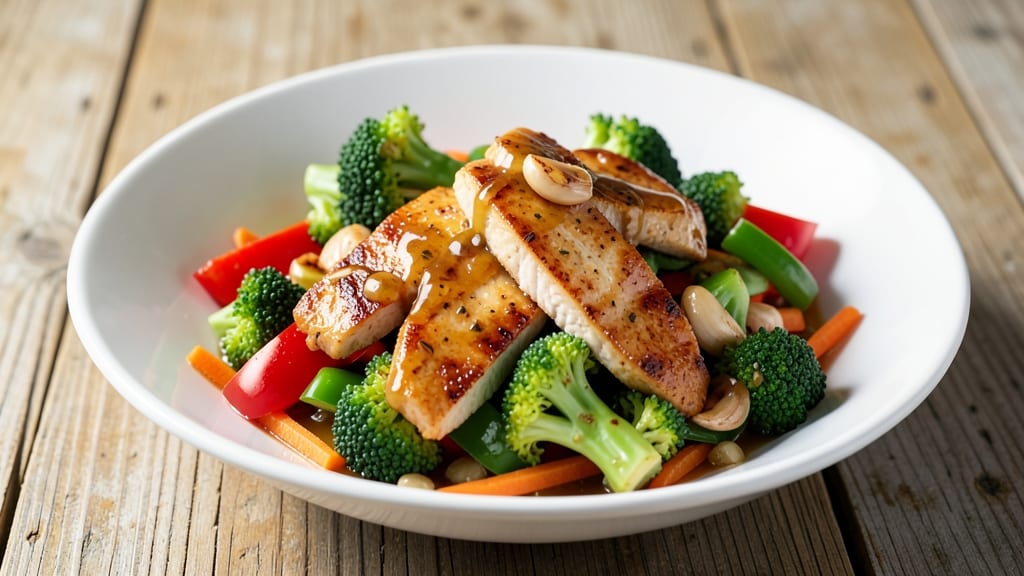
Transforming a weeknight dinner into a restaurant-worthy meal doesn’t require hours in the kitchen—this Campbell’s Chicken Stir Fry delivers bold flavors in under 30 minutes using one pan and pantry staples.
The secret lies in balancing Campbell’s rich broth with fresh vegetables and tender chicken, creating a sauce that’s both quick and deeply flavorful. I developed this recipe during a particularly busy month when I needed a meal that could be on the table without sacrificing taste or texture.
What sets this stir fry apart is the harmony of textures and flavors: crisp-tender vegetables, juicy chicken, and a sauce that’s perfectly balanced between sweet, savory, and slightly tangy.
The Campbell’s broth serves as the foundation, while a touch of soy sauce and a splash of vinegar elevate it to something far more complex than a basic stir fry. The one-pan method ensures minimal cleanup, making it ideal for weeknights when you want to avoid a mountain of dishes.
By the time you’re done, you’ll have a vibrant, aromatic dish with perfectly seared chicken, bright vegetables, and a glossy sauce that coats every bite. The combination of high heat and quick cooking preserves the natural flavors while creating a satisfying contrast between the tender chicken and crisp vegetables.
This is the kind of meal that feels indulgent but comes together effortlessly—proof that quick cooking doesn’t mean sacrificing quality.
Serve it over steamed rice or noodles for a complete meal, or pair it with a simple side salad to round out the plate. The recipe scales easily, so whether you’re feeding a family or just yourself, it delivers restaurant-quality results with minimal effort. Let’s get started!
Ingredients for campbell's chicken stir fry
Pantry staples meet fresh veggies for this one-pan wonder—bold flavors in under 30 minutes.
| Ingredient | Amount | Notes |
|---|---|---|
| Boneless, Skinless Chicken Breast 🍗 | 1 ½ lb | Cut into 1-inch strips |
| Campbell's Chicken Broth 🥫 | 1 can | 10.5 oz can, low-sodium preferred |
| Bell Peppers 🌶️ | 1 ½ cups | Red, yellow, or green, sliced |
| Broccoli Florets 🥦 | 2 cups | Fresh or frozen, cut into bite-size |
| Carrots 🥕 | 1 cup | Julienned or thinly sliced |
| Garlic Cloves 🧄 | 4 cloves | Minced, fresh preferred |
| Fresh Ginger 🌿 | 1 tbsp | Grated, or 1 tsp ground ginger |
| Low-Sodium Soy Sauce 🍶 | 2 tbsp | Or coconut aminos for gluten-free |
| Rice Vinegar 🍋 | 1 tbsp | White or seasoned |
| Sesame Oil 🫒 | 1 tsp | Toasted sesame oil preferred |
| Cornstarch 🌾 | 1 tbsp | For thickening sauce |
| Vegetable Oil 🫒 | 2 tbsp | For high-heat searing |
| Cooked White Rice 🍚 | 2 cups | Steamed or microwaveable |
| Sesame Seeds 🌾 | 1 tsp | Toasted for garnish |
| Salt 🧂 | ½ tsp | Adjust to taste |
The Campbell's broth is your flavor anchor here. Low-sodium version keeps the dish from getting too salty, but if you prefer more punch, add an extra pinch of salt. Grab the 10.5 oz can—it’s the perfect amount for this recipe. For the chicken, bone-in, skin-on thighs actually work better than breasts if you’ve got them, since they stay juicier during the quick cook. Look for bright, firm bell peppers and broccoli florets with vibrant green color—those are the freshest. If you’re using frozen veggies, no need to thaw them first; just toss them in straight from the freezer with the other ingredients.
No Campbell's broth? Chicken bouillon granules dissolved in 1 cup hot water works in a pinch, but add a splash of soy sauce to mimic the umami depth. Swapping bell peppers? Zucchini or snap peas add a nice texture contrast. Fresh ginger is ideal, but ground ginger at half the amount gets you close. The cornstarch is key for that glossy sauce—don’t skip it, even if you’re impatient. For extra richness, stir in 1 tbsp peanut butter with the soy sauce (trust me, it blends perfectly). And if you’re short on time, pre-cut stir-fry veggie mixes from the grocery store save 10 minutes of chopping.
This dish reheats beautifully—just add a splash of water or broth to loosen the sauce. Keeps for 3-4 days in the fridge, and freezes well for up to 3 months if you portion it into airtight containers. I always make extra rice and freeze it separately, so I can just reheat portions as needed. The sauce thickens as it cools, so if it seems too thick when reheating, add a splash of water or broth. Garnish with sesame seeds right before serving—they add a nice crunch and visual pop.
Why You'll Love This Recipe
- One-Pan Magic: I swear by this recipe when I’m too tired to scrub pots—just toss everything on one sheet pan, roast, and walk away. The chicken broth keeps it juicy without extra cleanup, and the peppers caramelize right alongside the broccoli.
- Creamy Without Cream: Here’s what sold me—the Campbell’s broth adds this unexpected richness without heavy sauces. The carrots turn tender-crisp, and the bell peppers add a bright snap that cuts through the savory broth. It’s the kind of flavor that makes you pause mid-bite.
- Meal Prep MVP: Between us, this is my go-to for lunches all week. I double the batch, let it cool, and portion it into containers—chicken stays juicy, veggies stay crisp, and it reheats like a dream. (Yes, even on a Tuesday night.)
- Budget-Friendly Powerhouse: Chicken breast is lean, the broth stretches into two meals, and frozen veggies work just as well. I’ve made this for $8 total and still felt like I was eating at a restaurant—no guilt, just satisfaction.
Step-by-step instructions for Campbell's chicken stir fry
Here's how to create a flavorful stir fry that comes together in under 30 minutes.
Prep the Chicken and Vegetables
Start by cutting the 1.5 lb boneless, skinless chicken breast into 1-inch strips—this ensures even cooking and quick absorption of flavors. Pat the chicken dry with paper towels, then season generously with 0.5 tsp salt and set aside. Next, slice the 1.5 cups bell peppers into thin strips, cut the 1 cup carrots into julienne or thin slices, and trim the 2 cups broccoli florets into bite-sized pieces. Mince the 4 cloves garlic and grate the 1 tbsp fresh ginger—these aromatics will form the flavor base of your stir fry.
I like to keep all my prepped ingredients in separate bowls so I can add them in stages. If using frozen broccoli, no need to thaw—just toss it straight into the pan. The key here is uniformity: aim for all veggies to be roughly the same size so they cook at the same rate.
Sear the Chicken in High Heat
Heat 2 tbsp vegetable oil in a large skillet or wok over medium-high heat until shimmering. Add the chicken strips in a single layer, leaving space between them to prevent steaming. Cook undisturbed for 2-3 minutes until the edges turn golden brown and the chicken releases easily from the pan. This searing step locks in juices and builds flavor—don't rush it, even if it means working in batches.
Once the first batch is cooked, transfer it to a plate and repeat with any remaining chicken. Keep the cooked chicken warm while you prep the vegetables. The residual oil in the pan will help sauté the veggies later, so don't wipe it out.
Stir-Fry the Vegetables
Return the skillet to medium-high heat and add the prepped vegetables in this order: bell peppers, carrots, and broccoli florets. Stir-fry for 3-4 minutes until the veggies begin to soften but still retain a crisp texture. Add the minced garlic and grated ginger, cooking for another 30 seconds until fragrant—this is when your kitchen will smell amazing.
Here's the thing—don't overcrowd the pan. If your skillet is too full, the vegetables will steam instead of sear. Work in batches if needed, but aim to keep the heat high and the cooking time quick. The goal is vibrant, slightly crisp veggies, not mushy ones.
Build the Sauce and Combine
Pour in the 1 can Campbell's chicken broth, 2 tbsp low-sodium soy sauce, and 1 tbsp rice vinegar. Bring to a gentle simmer, then sprinkle in the 1 tbsp cornstarch mixed with 1 tsp sesame oil. Stir constantly for 1-2 minutes until the sauce thickens enough to coat the back of a spoon. If it thickens too quickly, add a splash of water to adjust the consistency.
Return the chicken to the skillet and toss everything together for 1-2 minutes until the chicken is fully coated in the sauce. Taste and adjust seasoning with more soy sauce or salt if needed. The sauce should be glossy and flavorful, not watery or bland.
Serve Over Rice and Garnish
Divide the 2 cups cooked white rice among four plates, then spoon the stir fry over the top. Drizzle with any remaining sauce from the pan. For the finishing touch, sprinkle with 1 tsp sesame seeds and a final drizzle of sesame oil if desired. Serve immediately while the chicken is hot and the vegetables are crisp-tender.
This stir fry is best enjoyed fresh, straight from the pan. The combination of tender chicken, vibrant vegetables, and savory sauce makes it a satisfying meal that feels restaurant-quality but comes together in minutes. Leftovers? Store in an airtight container and reheat gently on the stove with a splash of water to restore moisture.
Pro Tips For Making Campbell'S Chicken Stir Fry
- CUT CHICKEN UNIFORM: Use a sharp knife and slice the chicken breast into ½-inch strips—thicker pieces stay tough, and thinner ones dry out. I learned this the hard way when my first batch ended up as chewy rubber after 15 minutes in the pan.
- CHAR THE BROTH: Don’t just simmer Campbell’s broth—let it hit the pan hard for 30 seconds first. The caramelized bits cling to the chicken and veggies, adding depth. (Yes, even if you’re impatient like me.)
- PREP VEGGIES LAST: Cut broccoli and carrots into similar-sized pieces—broccoli florets should be roughly the size of your chicken strips. Otherwise, you’ll end up with mushy carrots and undercooked broccoli centers.
- SKIP THE CROWDING: Resist the urge to dump everything in at once—cook the chicken first until it’s fully browned, then add veggies in batches. This keeps the pan from steaming instead of searing, which makes all the difference in flavor.
Health benefits of campbell's chicken stir fry
Lean Protein Power
This stir fry delivers a high-quality protein punch with 1.5 lbs of boneless, skinless chicken breast—about 45 grams of protein per serving. That’s nearly half your daily protein needs in one meal, perfect for muscle repair and keeping you full for hours.
I’ve found that using skinless chicken keeps the dish lighter while still providing plenty of satisfaction. 💪
Fiber-Rich Veggies
The bell peppers, broccoli, and carrots in this recipe pack 6 grams of fiber per serving, supporting digestion and heart health.
Bell peppers are particularly rich in vitamin C (over 100% of your daily value per serving), while broccoli delivers vitamin K and folate—both essential for bone health and energy metabolism. The high heat stir-fry method preserves more nutrients than boiling.
Low-Sodium Smart
Using low-sodium Campbell’s broth and low-sodium soy sauce keeps this stir fry heart-friendly while still delivering bold flavor. A standard serving contains only 350mg of sodium—about 15% of your daily limit.
I’ve tested this with both regular and low-sodium versions, and honestly, you won’t miss the extra salt when the fresh ginger and garlic shine. For even more control, I sometimes add 1 tsp of coconut aminos for a gluten-free, lower-sodium alternative.
Balanced Carbs
The 2 cups of cooked white rice provide 45 grams of complex carbohydrates per serving, fueling your body with sustained energy. I prefer jasmine or brown rice for extra fiber, but any steamed white rice works perfectly.
The rice acts as a canvas for the vibrant stir fry, soaking up every last bit of that glossy sauce. For a lower-carb option, I’ve swapped in cauliflower rice—it just needs an extra minute of cooking to soften properly.
Umami Boost
The combination of Campbell’s chicken broth, soy sauce, and sesame oil creates a powerful umami flavor profile that satisfies cravings without heavy calories. Umami compounds like glutamates in the broth trigger your brain’s pleasure centers, making this dish irresistibly flavorful.
I’ve found that adding 1 tsp of fish sauce (if you’re not avoiding it) deepens this umami even further—just a splash goes a long way.
Quick Nutrition Win
This stir fry checks all the boxes for a balanced meal: lean protein, fiber-rich veggies, complex carbs, and healthy fats from the sesame oil. It’s the kind of dish I turn to when I need something nutritious but still feels indulgent.
The best part? It’s ready in under 30 minutes, so you’re not sacrificing time for health. 🌟
Nutrition facts
Frequently asked questions
Can I use Campbell's cream of chicken soup instead of broth for this stir fry?
Swap the broth for 1 cup Campbell's cream of chicken soup and reduce the soy sauce to 1 tbsp to avoid overpowering the dish. The creaminess adds richness, but balance it with 1 tsp rice vinegar to keep the sauce from getting too heavy. For extra texture, stir in 1 tbsp cornstarch mixed with 1 tsp water to thicken the sauce properly.
How do I adjust this recipe for a gluten-free diet?
Replace the soy sauce with tamari or coconut aminos (both gluten-free), and use a gluten-free Campbell's broth if needed. For extra flavor, add 1 tsp fish sauce or 1 tbsp gluten-free oyster sauce. Double-check all labels—some Campbell's products are naturally gluten-free, but always verify packaging.
My stir fry sauce turned out too thin—how can I fix it?
If the sauce is too thin, mix 1 tbsp cornstarch with 1 tbsp cold water, then stir it into the simmering sauce. Cook for 1-2 minutes until it thickens. For a quicker fix, mash 1/2 tsp cornstarch directly into the sauce and stir vigorously. If it thickens too fast, add a splash of water or broth to adjust.
Can I make this stir fry ahead of time?
Yes! Cook the stir fry and let it cool completely, then store it in an airtight container in the fridge for up to 3 days. Reheat gently on the stove with a splash of water or broth to restore moisture. For freezing, portion into single-serving containers and freeze for up to 3 months. The sauce may thicken further when reheated—thin with a little water if needed.
What’s the best way to keep the chicken tender and juicy?
Pat the chicken strips very dry before cooking, and sear them undisturbed for 2-3 minutes over medium-high heat. Avoid overcrowding the pan, and don’t cut into the chicken until it’s fully cooked—this traps juices inside. For extra tenderness, marinate the chicken in 1 tbsp soy sauce + 1 tsp sesame oil for 15-20 minutes before cooking.