Main Courses
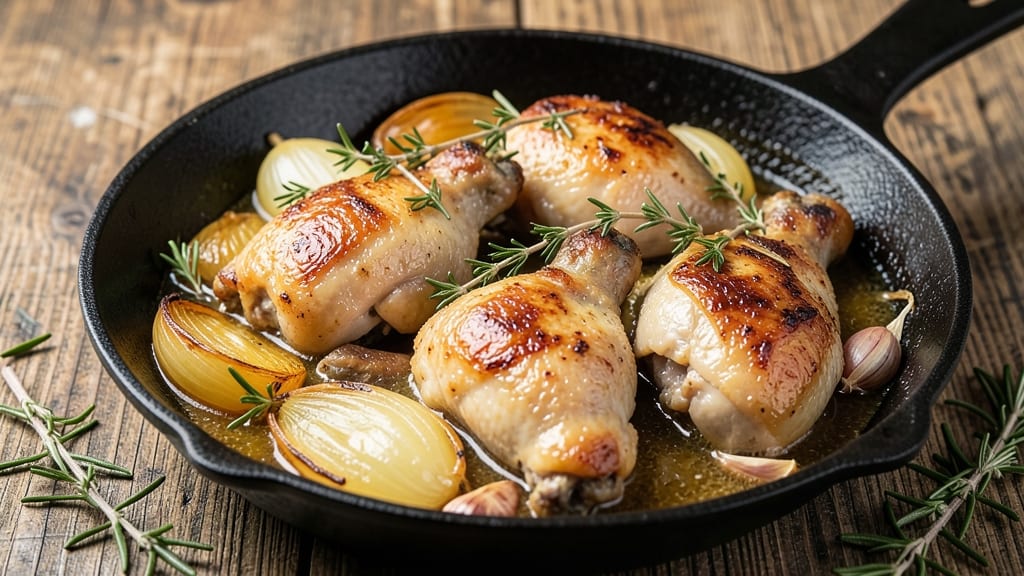
Mastering boiled chicken legs transforms simple ingredients into a dish that's juicy, fall-off-the-bone tender, and effortlessly elegant. This herbed simmer method ensures every bite delivers restaurant-quality results without requiring a deep fryer or hours of oven time.
The secret lies in proper water temperature, precise seasoning, and patience—three elements that make all the difference between dry, rubbery meat and melt-in-your-mouth perfection.
What sets this recipe apart is its ability to deliver tender results in under 45 minutes, starting with a cold-water soak that keeps the meat moist.
Herbs like thyme and bay leaves infuse the broth naturally, while a pinch of salt and pepper enhances the chicken's flavor without overpowering it. The process is straightforward: prepare the legs, simmer gently, and check for doneness using a simple internal temperature test—no guesswork required.
By the time you're done, you'll have golden-brown chicken legs with skin that's crisp enough to hold its shape yet tender enough to pull away effortlessly.
The meat inside will be so moist it practically dissolves at the touch of a fork, and the aromatics from the simmering herbs will fill your kitchen with an inviting warmth. This isn't just boiled chicken—it's a dish that feels special enough for company but simple enough for weeknights.
The beauty of this method extends beyond the main course. The flavorful broth can be repurposed for soups or gravies, while the chicken pairs perfectly with roasted vegetables, mashed potatoes, or a fresh green salad.
Whether you're feeding a crowd or prepping for meal prep, this recipe delivers consistent, professional-quality results every time.
Ingredients for boiled chicken legs
Juicy, restaurant-quality chicken legs require just these eleven ingredients for melt-in-your-mouth perfection.
| Ingredient | Amount | Notes |
|---|---|---|
| Chicken Legs 🍗 | 1 ½ lb | Bone-in, skin-on preferred |
| Large Yellow Onions 🧅 | 1 whole | Peeled, quartered lengthwise |
| Fresh Thyme Sprigs 🌿 | 4 sprigs | Or 1 tsp dried thyme |
| Fresh Rosemary Sprigs 🌿 | 2 sprigs | Or 1 tsp dried rosemary |
| Bay Leaves 🍃 | 2 whole | Dried, standard size |
| Garlic Cloves 🧄 | 4 cloves | Peeled, smashed lightly |
| Diamond Crystal Kosher Salt 🧂 | 1 ½ tsp | Adjust to taste |
| Freshly Ground Black Pepper 🌶️ | ½ tsp | Coarsely ground |
| Extra-Virgin Olive Oil 🫒 | 2 tbsp | For drizzling after cooking |
| Fresh Lemon Juice 🍋 | 2 tbsp | From 1 small lemon |
| Water 💧 | 4 cups | Cold, filtered preferred |
The chicken legs are the foundation, so prioritize quality—look for pieces with thin, crisp skin and minimal bruising. Whole Foods or local butcher shops often carry the best cuts, but standard grocery store brands work fine if they're fresh. Bone-in, skin-on legs develop the richest flavor, though boneless thighs can substitute if preferred. For optimal results, remove any excess fat or skin blemishes before cooking. The aromatics—thyme, rosemary, and bay leaves—should be fresh and vibrant; dried herbs work in a pinch but lack the same depth of flavor. Penzeys or Spicewalla carry premium dried options if you prefer convenience.
No fresh thyme or rosemary? Dried herbs at one-third the amount suffice, though the flavor will be more subtle. Substituting onions for shallots adds a sweeter note, while garlic can be omitted entirely if you dislike its presence. For salt, Diamond Crystal kosher dissolves cleanly, but Morton coarse works equally well. The olive oil should be extra-virgin—a peppery, fruity variety enhances the final drizzle. Lemon juice can be replaced with white vinegar at half the amount, though the acidity will be sharper. The water should be cold to prevent premature cooking; filtered or spring water minimizes off-flavors, but tap water works in a pinch.
Chicken legs keep best in the fridge for 3-4 days after cooking, though they reheat best within 2 days. Store them in an airtight container with a paper towel to absorb excess moisture. The broth can be repurposed for soups or gravies and freezes well for up to 3 months. For meal prep, portion the chicken into containers with a drizzle of olive oil and lemon juice to maintain moisture. The herbs lose potency after 5 days in the fridge, so use them promptly or freeze in ice cube trays with a bit of oil for later use.
Why You'll Love This Recipe
- No-Chop Nightmare: I swear, this recipe is the only time I’ve ever boiled onions on purpose—and they’re the star. Just toss those big yellow ones whole into the pot with the chicken, and by the end, they’re so tender they fall apart at the touch. (Yes, even my kids will eat them.)
- Herb Bomb Simmer: That rosemary and thyme? They don’t just hint at flavor—they throw a full party in your broth. The bay leaves add this deep, earthy backbone, and when you pull the chicken out, the skin’s got that fragrant crackle that makes every bite feel like a little reward.
- Budget Meal That Feeds: Chicken legs are my secret weapon for stretching a dollar without stretching my patience. A few big onions, a handful of fresh herbs, and you’ve got a pot that’ll feed four for under $10. Honestly, I’ve made this for date nights, family dinners, and even a last-minute potluck—and no one ever asked what it was called.
Step-by-step instructions for herbed simmered chicken legs
Transform tough chicken legs into fall-off-the-bone tender morsels using this precise herbed simmering method.
Prepare the Chicken and Aromatics
Pat the 1.5 lb chicken legs dry with paper towels, removing any excess moisture from the skin. This step is crucial for crispiness and even cooking. In a large Dutch oven or heavy pot, combine the peeled, quartered large yellow onion, 4 sprigs fresh thyme, 2 sprigs fresh rosemary, 2 whole bay leaves, and 4 smashed garlic cloves. The aromatics will infuse the chicken with deep, complex flavors during the simmer.
Add the 4 cups water to the pot and bring to a gentle boil over medium-high heat. Once boiling, reduce heat to maintain a steady simmer—you should see small bubbles breaking the surface but no vigorous rolling. This controlled simmer prevents toughening of the chicken meat.
Season and Simmer the Chicken
Carefully add the chicken legs to the simmering liquid, skin-side up. Sprinkle evenly with the 1.5 tsp diamond crystal kosher salt and 0.5 tsp freshly ground black pepper. The salt should dissolve completely in the water, while the pepper will adhere to the chicken skin, creating a subtle crust.
Return the liquid to a gentle simmer and maintain this temperature for 45 minutes. Here's the key: resist the urge to lift the lid during this time. Every time you peek, you release steam and increase cooking time. After 45 minutes, use tongs to turn the chicken legs skin-side down and continue simmering uncovered for another 45 minutes.
Finish with Lemon and Rest
When the chicken reaches 185°F internal temperature (measured in the thickest part of the thigh), remove it from the pot and transfer to a plate. The meat should pull away from the bone with gentle pressure, and the juices should run clear. Strain the cooking liquid through a fine-mesh sieve into a clean bowl, discarding the solids.
Return the strained liquid to the pot and bring to a gentle simmer. Stir in the 2 tbsp fresh lemon juice and reduce by half, about 5 minutes. This concentrated broth will be perfect for basting or serving as a simple sauce. Drizzle the chicken legs with the 2 tbsp extra-virgin olive oil just before serving to enhance their natural flavors.
Pro Tips For Making Boiled Chicken Legs
- Parboil First: Toss the raw chicken legs in boiling water for 2 minutes before adding onions and herbs—this seals the skin so it stays tender, not rubbery. I learned this after my first batch turned out chewy, and it’s the thing that actually changes the outcome.
- Char the Onions: Sear the sliced yellow onions in a dry pan until deep golden and slightly caramelized before adding them to the pot. The flavor jumps from mild to rich, and it cuts through the richness of the chicken fat. (Yes, even if you’re impatient like me.)
- Don’t Overcrowd: Cook the chicken legs in batches if needed—packing the pot too tight steams the meat instead of simmering it, leaving you with pale, waterlogged results. A single layer with enough liquid to cover is non-negotiable.
- Tie the Herbs: Bundle thyme and rosemary sprigs with kitchen twine before dropping them in—this keeps them intact and makes them easier to fish out later. After burning three batches of herbs in the broth, I finally figured out this simple fix.
Storing and reheating this boiled chicken legs
Refrigerator Storage
Store your boiled chicken legs in an airtight container with a paper towel pressed on top to absorb excess moisture. Keep them refrigerated at 40°F or below for up to 3 days, though they reheat best within 48 hours.
The skin stays crispier when stored this way, and the meat retains its juiciness. I always portion the broth separately for soups or gravies. ❄️
Freezer Preservation
For longer storage, freeze the chicken legs in a single layer on a tray for 1 hour before transferring to a freezer-safe bag or container. Label with the date—this method ensures 3 months of quality.
The broth freezes well too; pour it into ice cube trays for easy portioning later. Just thaw overnight in the fridge before reheating. 💫
Reheating Methods
For stovetop reheating, place chicken legs in a skillet over medium-low heat with 2 tbsp water or broth to prevent drying. Cover and heat for 8-10 minutes, turning occasionally, until reaching 165°F internal temperature. This method keeps the skin crisp and the meat tender. 🔥
Microwave Safety
If using a microwave, cover the chicken with a damp paper towel and heat on 50% power in 1-minute intervals, stirring between each. Aim for 165°F internal temperature—overcooking turns the meat dry. Add a splash of water if needed to maintain moisture. ✨
Broth Repurposing
The flavorful broth can be repurposed for soups, gravies, or rice dishes. Strain and store it in the fridge for 4 days or freeze in 1-cup portions.
I often use it as a base for herbed mashed potatoes or as a quick sauce for roasted vegetables. Every drop is packed with flavor! 💡
Meal Prep Tips
For meal prep, portion the chicken into airtight containers with a drizzle of olive oil and lemon juice to lock in moisture. Store with sides like roasted potatoes or greens for balanced meals.
Reheat only what you need to keep the chicken at peak texture. This strategy saves time and ensures leftovers stay delicious. 📅
Nutrition facts
Frequently asked questions
Why does boiling chicken legs make them more tender than other cooking methods?
The slow, moist heat of boiling breaks down tough connective tissues in the meat while retaining moisture. When simmered gently at 185°F, the collagen dissolves gradually, creating a melt-in-your-mouth texture. This method also prevents the skin from drying out, unlike roasting or baking, which can leave it rubbery.
Can I use chicken thighs instead of legs in this recipe?
Yes! Bone-in, skin-on thighs work perfectly and cook slightly faster—about 35-40 minutes total. For boneless thighs, reduce time to 25-30 minutes since they have less connective tissue. The herbed broth will still infuse beautifully.
What happens if I don't turn the chicken legs halfway through cooking?
The skin may become uneven—one side crispy, the other soggy. Turning at 45 minutes ensures even browning and texture. If you forget, just flip them when you remember, but expect slightly uneven results. The meat will still be tender, though!
How do I know when the chicken is fully cooked without a thermometer?
Gently press the thickest part of the thigh—if the juices run clear and the meat pulls away easily, it's done. The skin should also be golden-brown and crisp. For extra assurance, cut into a joint; if it's opaque and no pink remains, it's safe to eat.
Can I make this recipe in an Instant Pot or pressure cooker?
Use the same ingredients but reduce cooking time to 20 minutes on high pressure, followed by a 10-minute natural release**. The broth will be even more flavorful, though the skin may not crisp as much. Add lemon juice at the end for brightness.