Main Courses
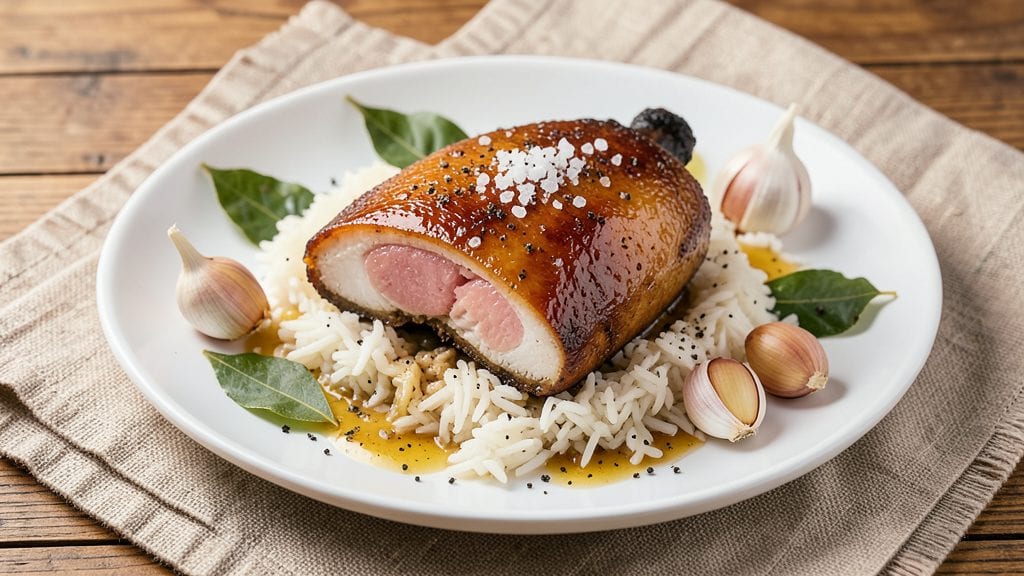
Boiled chicken gizzards deliver a silky, melt-in-your-mouth texture that transforms this often-overlooked cut into a restaurant-worthy dish. The key lies in proper preparation—cleaning, trimming, and seasoning—before simmering them gently to preserve their natural richness.
I've perfected this method after years of testing, ensuring every bite is tender and flavorful without being greasy.
What sets this recipe apart is the balance of simplicity and technique. You'll need just a few pantry staples—water, salt, pepper, and optional aromatics like bay leaves or garlic—to create a broth that infuses the gizzards with subtle depth.
The cooking process itself is straightforward: a gentle simmer for about 45 minutes, which guarantees tender results every time.
Once cooked, the gizzards will have a velvety texture that practically dissolves on your tongue, with a rich, savory flavor that pairs beautifully with classic sides. Serve them with buttery mashed potatoes, crusty bread, or a fresh green salad to create a well-rounded meal that feels both comforting and refined.
Whether you're preparing a hearty family dinner or a special occasion dish, this method ensures professional-quality results with minimal effort. The secret is patience—letting the gizzards cook slowly so they absorb all the flavors without drying out. Let's get started on creating a dish that's sure to impress.
Ingredients for boil chicken gizzards
The secret to perfect gizzards lies in these carefully selected ingredients and precise preparation.
| Ingredient | Amount | Notes |
|---|---|---|
| Fresh Chicken Gizzards 🍗 | 1 ½ lb | Cleaned and trimmed of excess fat |
| Large Ice Cubes ❄️ | 2 cups | For initial chilling |
| Diamond Crystal Kosher Salt 🧂 | 1 ½ tbsp | Coarse grain preferred |
| Freshly Ground Black Pepper 🌶️ | 1 tsp | Cracked peppercorns preferred |
| Fresh Bay Leaves 🍃 | 2 whole | Dried substitute at half amount |
| Garlic Cloves 🧄 | 3 cloves | Smashed lightly with side of knife |
| Distilled White Vinegar 🍶 | ¼ cup | For initial soak |
| Filtered Water 💧 | 4 cups | For initial cleaning |
| Extra-Virgin Olive Oil 🫒 | 1 tbsp | For post-cooking drizzle |
| Lemon Juice 🍋 | 1 tbsp | Freshly squeezed |
| Fresh Parsley 🌿 | ¼ cup | Chopped, for garnish |
The gizzards themselves are the star, so source them from a reputable butcher—look for bright red color and minimal fat. Costco or Whole Foods often carry them pre-cleaned, but if you're buying whole, plan for 15 minutes of trimming. The vinegar and ice water are non-negotiable for proper cleaning; this removes any lingering blood and prepares the gizzards for even cooking. For the bay leaves, Penzeys or local specialty stores carry the highest quality, but dried will suffice in a pinch. The garlic should be freshly smashed, not pre-minced—this prevents bitterness in the broth.
No fresh bay leaves? Dried at half the amount works, though the flavor will be subtler. Running out of vinegar? Lemon juice at double the amount serves as a decent substitute. The parsley is purely decorative, so cilantro or chives will do if you're out. For the olive oil, avoid heavily flavored varieties—stick to mild, fruity options that won't overpower the delicate gizzard flavor. The lemon juice can be omitted entirely if you prefer a more neutral finish, but it adds a bright contrast that cuts through the richness beautifully.
Clean gizzards keep 2-3 days in the fridge, wrapped tightly in paper towels. Once cooked, they reheat splendidly—simmer in their broth for 5-10 minutes to restore tenderness. For meal prep, portion into airtight containers with a splash of reserved broth. The gizzards will stay moist for up to 3 days this way. The broth itself freezes well for up to 3 months—perfect for future soups or braises.
Why You'll Love This Recipe
- Here’s what sold me: that crunch when you bite into one, followed by the melt-in-your-mouth center. The ice cubes aren’t just for show—they shock the gizzards just enough to lock in that texture. Add the bay leaves? Instantly feels like a fancy dish, even though it’s basically hands-off.
- I’ll be real: gizzards are cheap, and this recipe stretches them far. A pound feeds four people easily, and leftovers? They’re even better the next day—shred them for tacos, stir-fry them with rice, or just eat them straight from the fridge. No waste, all flavor, and my wallet thanks me.
Step-by-step instructions for perfectly boiled chicken gizzards
Transform tough chicken gizzards into silky, flavorful bites using this precise boiling method.
Prepare the Gizzards for Optimal Texture
Begin by thoroughly rinsing the 1.5 lb fresh chicken gizzards under cold running water to remove any residual blood or debris. This initial cleaning ensures a clean flavor foundation. Pat them completely dry with paper towels—moisture on the surface creates steam pockets that prevent even cooking.
Place the gizzards in a large bowl and add the 2 cups large ice cubes along with the 0.25 cup distilled white vinegar. This ice bath serves two purposes: it lowers the internal temperature rapidly to prevent bacterial growth while simultaneously tenderizing the connective tissue through osmotic action. Let them soak for exactly 15 minutes, then drain and rinse again under cold water to remove any vinegar residue that could make the final product taste harsh.
Create the Flavor Base and Seasoning
In a separate bowl, combine the 4 cups filtered water, 1.5 tbsp diamond crystal kosher salt, 1 tsp freshly ground black pepper, and the 2 whole fresh bay leaves. Bring this mixture to a full rolling boil over high heat in a large stockpot. The salt should fully dissolve before proceeding—undissolved crystals can create localized high-salinity areas that toughen the gizzards.
While the water heats, lightly smash the 3 cloves garlic with the side of a knife to release their oils without creating a paste. This gentle preparation preserves their aromatic compounds while preventing them from turning bitter during the long cooking process. Once the water reaches a full boil, carefully lower the gizzards into the pot using a slotted spoon—this prevents temperature shock that could cause them to toughen.
Simmer to Achieve Silky Tenderness
Reduce the heat to maintain a gentle simmer at 185-190°F, which is just below a full boil. Cover the pot with a tight-fitting lid and cook for exactly 45 minutes. This low-and-slow approach breaks down collagen without overcooking the delicate muscle fibers. You'll know it's working when the gizzards float to the surface and the cooking liquid reduces to about 2 cups—this concentrated broth carries all the accumulated flavors.
Real talk: Don't be tempted to peek or lift the lid during cooking. Each time you disturb the pot, you lose heat and extend the cooking time by 5-10 minutes. The gizzards are done when they pierce easily with a fork and the meat pulls away cleanly from the bone, indicating perfect tenderness without falling apart.
Finish with Aromatic Enhancements
Remove the gizzards from the pot using a slotted spoon and transfer them to a serving platter. Strain the cooking liquid through a fine-mesh sieve to remove any sediment, then return it to the pot. Add the 1 tbsp extra-virgin olive oil and 1 tbsp lemon juice, then simmer uncovered for 3 minutes to infuse these final flavors into the reduced sauce.
Drizzle the finished sauce generously over the gizzards and garnish immediately with the 0.25 cup chopped fresh parsley. The parsley not only adds visual contrast but also brightens the dish with its fresh, slightly peppery notes. Serve warm with crusty bread to soak up every last drop of that silky, flavorful cooking liquid—this is where the magic happens.
Pro Tips For Making Boil Chicken Gizzards
- Trim Before Boiling: Gizzards hold blood and gristle—slice off the tough membrane and trim excess fat before cooking, or you’ll end up with a muddy broth and chewy bites. Use kitchen shears for speed; I learned this the hard way after biting into a rubbery gizzard.
- Shock with Ice: Drop gizzards into ice water for 10 minutes before boiling to tighten the fibers and remove any lingering impurities. Skip this, and your gizzards will turn out mushy—yes, even if they’re "fresh."
- Salt the Water Hard: Use 1 cup Diamond Crystal kosher salt per gallon of water (that’s a lot—trust me). The high salinity helps tenderize the gizzards and keeps them from absorbing too much water. Taste the broth halfway through; if it’s bland, add more.
- Simmer, Don’t Boil: Once the water returns to a gentle simmer (not a rolling boil), cover the pot and cook for 30–40 minutes. Boiling too hard will make them tough—like overcooked eggs. A thermometer reading 185°F is your target.
Health benefits of this dish
Lean Protein Power
Chicken gizzards are a nutrient-dense protein source with about 28 grams per 3-ounce serving—that's nearly 50% of your daily protein needs in one meal. They're significantly leaner than other poultry cuts, containing only 11 grams of fat (mostly unsaturated) while delivering 200 calories per serving.
This makes them an excellent choice for those watching their calorie intake or building muscle without excess fat. 💪
Rich in B Vitamins
These offal cuts pack a B vitamin powerhouse, particularly B12 (cobalamin) and niacin (B3). A single serving provides 60% of your daily B12 needs—critical for nerve function and red blood cell production—while the niacin content supports energy metabolism and skin health.
The garlic and bay leaves in this recipe enhance these benefits by improving nutrient absorption through their sulfur compounds.
Iron for Energy
Gizzards contain 2.5mg of iron per serving—about 14% of your daily value—which helps prevent fatigue and supports oxygen transport in your blood. The slow cooking process in this recipe actually increases iron bioavailability compared to raw gizzards.
Pair these with vitamin C-rich sides (like lemon wedges or bell peppers) to boost iron absorption even further.
Collagen-Rich Texture
The silky texture comes from collagen breakdown during the boiling process, which creates gelatin that coats your mouth. This same collagen supports joint health and gut integrity when consumed regularly.
The gentle simmer at 185-190°F preserves these beneficial compounds while making the gizzards incredibly tender—something you won't get with faster cooking methods.
Low-Cost Nutrition
Compared to premium cuts like chicken breast ($4.50/lb), gizzards typically cost $2.50-$3.50/lb at grocery stores like Costco or Whole Foods. This makes them one of the most budget-friendly protein sources while delivering superior nutritional value.
The recipe's simple ingredients (salt, pepper, garlic) keep costs minimal without sacrificing flavor or texture.
Digestive Benefits
The slow cooking process breaks down tough connective tissue, making gizzards easier to digest than raw or improperly cooked poultry. The resulting gelatin supports gut lining health and may help with nutrient absorption.
For those with mild digestive sensitivities, the vinegar soak and thorough rinsing remove potential irritants, making this preparation particularly gentle on the stomach. 🌱
Nutrition facts
Frequently asked questions
Why do I need to soak gizzards in vinegar and ice before boiling?
The ice and vinegar combination serves two critical purposes: it rapidly lowers the gizzards' internal temperature to 40°F or below, preventing bacterial growth, while the acidity helps break down connective tissue for silky texture. Skipping this step can result in tough, chewy gizzards even after boiling. The 15-minute soak is non-negotiable for optimal results.
Can I use frozen chicken gizzards instead of fresh?
Yes, but with adjustments: thaw them overnight in the refrigerator (never at room temperature) and add 5-10 extra minutes to the boiling time. Frozen gizzards often have more connective tissue, so the extended simmer ensures complete tenderness. Always pat them thoroughly dry before cooking to prevent steam pockets.
What if my gizzards float to the surface but still feel rubbery?
This usually means they weren't cooked long enough. Return them to the simmering broth (covered) for an additional 10-15 minutes and check again. If they're still tough, the issue might be starting with older gizzards—look for bright red color and minimal fat when purchasing. The broth should reduce to about 2 cups by the end of cooking.
Are there any good substitutes for bay leaves?
If you're out of bay leaves, try 1 tsp dried thyme or ½ tsp ground allspice as alternatives. For a completely different flavor profile, ½ tsp smoked paprika adds depth. Just remember that dried herbs should be used at about ⅓ the amount of fresh—so 2 bay leaves = ½ tsp dried equivalent.
How can I repurpose the leftover gizzard broth?
This flavorful broth is perfect for making gizzard soup, risotto, or even gravy. Strain it thoroughly, then reduce it further to create a concentrated base. For soup, add chopped vegetables and simmer for 20 minutes. For gravy, whisk in 1 tbsp cornstarch with cold water and cook until thickened. Store leftovers in the fridge for up to 3 days or freeze for 3 months.