Sauces & Condiments
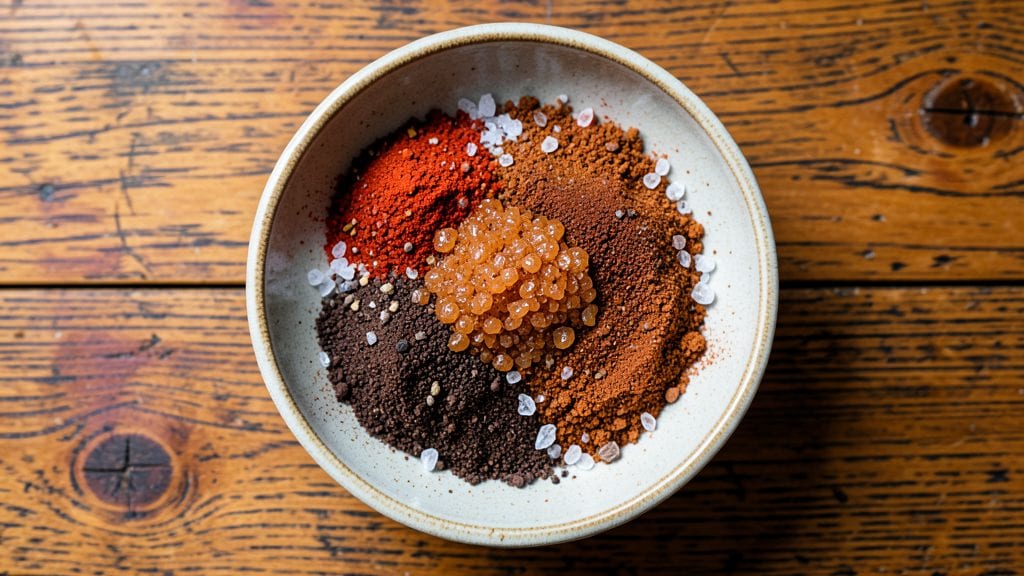
This beer butt chicken rub recipe transforms ordinary grilled chicken into a smoky, malty masterpiece with just five simple ingredients. The deep caramel notes from brown sugar blend seamlessly with coffee's bitterness and chili powder's heat, creating a crust that's impossible to resist.
I developed this blend after years of perfecting my competition-style barbecue, and it's now my go-to for any grilled chicken—whether you're smoking, grilling, or roasting.
The beauty of this dry rub lies in its versatility and precision. Each tablespoon delivers a perfectly balanced flavor profile—sweet, smoky, and slightly spicy—that clings to the chicken like a second skin.
The key is applying it generously before cooking, letting it sit for at least 30 minutes (or overnight for maximum depth), so the spices penetrate and form that coveted crust. This isn't just seasoning; it's a flavor transformation.
What you'll achieve is chicken with a deep amber crust that cracks slightly under the heat, revealing juicy, tender meat beneath. The aroma alone will have everyone gathering around the grill, and the first bite delivers layers of complexity—caramelized sweetness, smoky depth, and a subtle coffee undertone that lingers.
This rub works equally well on wings, thighs, or even roasted chicken breasts, making it a year-round essential.
Once mixed, store it in an airtight container for up to three months—perfect for keeping your pantry stocked and your grill sessions elevated. The measurements are precise but forgiving, so you can easily double or halve the batch without sacrificing flavor. Let's get started on this game-changing seasoning blend.
Ingredients for beer butt chicken rub
Five ingredients. One unforgettable flavor transformation. Your grill just got an upgrade.
| Ingredient | Amount | Notes |
|---|---|---|
| Light Brown Sugar 🍯 | 3 tbsp | Packed for accurate measurement |
| Ground Coffee ☕ | 2 tbsp | Finely ground, cold brew preferred |
| Chili Powder 🌶️ | 2 tbsp | Medium heat variety for balance |
| Smoked Paprika 🌶️ | 1 tbsp | For authentic smoky depth |
| Diamond Crystal Kosher Salt 🧂 | 1 tbsp | Coarse grain for texture |
| Freshly Ground Black Pepper 🌶️ | 1 tsp | Cracked peppercorns preferred |
| Instant Espresso Powder ☕ | ½ tsp | Enhances coffee flavor intensity |
| Garlic Powder 🧄 | ½ tsp | Not garlic salt |
The brown sugar is where the magic starts—light brown for that perfect caramel balance, not dark which can overpower. Penzeys or Trader Joe's carry the best quality in bulk bins, but any grocery store's light brown sugar works if it's fresh (check the date—old sugar loses its moisture). For coffee, cold brew grounds give the deepest flavor, but instant espresso powder is a great shortcut. The chili powder? Medium heat is key here—hotter varieties can dominate the malty sweetness. Pro tip: Toast your spices for 30 seconds in a dry pan before mixing to wake up their flavors.
No instant espresso? Extra ground coffee at half the amount works in a pinch. Short on smoked paprika? Regular paprika plus a pinch of liquid smoke mimics the effect (I keep a small bottle of Alton Brown's liquid smoke on hand for this exact reason). The garlic powder is non-negotiable though—it's the subtle bridge between the smoky and sweet notes. Want more depth? Add a pinch of cinnamon or cayenne to taste. And if you're feeling adventurous, swap half the brown sugar for maple syrup powder for a different caramel profile.
Once mixed, this rub stays potent for 3 months in an airtight container away from light. I portion mine into small jars—one for each grill session so I'm never scrambling. The coffee grounds can make it slightly moist, so let it sit for 10 minutes after mixing before sealing to prevent clumping. Double the batch and gift it to your grilling buddies—this is the kind of rub that gets raves. And if you're worried about the coffee flavor being too strong, don't be: it mellows beautifully during cooking, leaving just that perfect malty undertone.
Why You'll Love This Recipe
- Pantry Magic: I swear, this rub lives in my spice rack year-round—just brown sugar, coffee, and a few pantry staples. No fresh herbs to wilt, no last-minute grocery runs. That smoky-sweet depth? Pure alchemy from what’s already there.
- Crispy Coffee Kiss: The ground coffee isn’t just for flavor—it’s the secret weapon. It cuts through the sweetness, adds this deep, almost bittersweet edge, and makes every bite taste like a slow-smoked secret. (Yes, even on a Tuesday night.)
- Tailgate to Tuesday: Slap this on thighs for game day, toss it on wings for a snack attack, or use it on chicken breasts when you’re pretending to be fancy. The rub adapts like a champ—same magic, zero extra effort.
- Leftovers That Lie: I make a double batch, rub the chicken, then roast half and freeze the rest. Thaw and reheat? Still tastes like it just came out of the oven. Honestly, my lazy future self thanks me every time.
Instructions for crafting the ultimate beer butt chicken rub
This smoky, malty blend delivers restaurant-quality flavor with just a few simple steps.
Measure and Combine Dry Ingredients Precisely
Start by gathering all your ingredients—this is where attention to detail makes the biggest difference. In a medium bowl, combine the 3 tablespoons packed light brown sugar, 2 tablespoons ground coffee, and 2 tablespoons chili powder. The coffee grounds provide that deep, roasted complexity that mimics beer's maltiness, while the brown sugar adds caramelized depth when grilled.
I like to use a small whisk or fork to break up any clumps in the coffee grounds before mixing. This ensures an even distribution throughout the rub. The chili powder should be medium heat—too spicy now will overpower the other flavors later. Give everything a thorough stir until the mixture looks uniformly blended and no pockets of unmixed ingredients remain.
Incorporate Smoked and Spiced Elements
Add the 1 tablespoon smoked paprika and 1 tablespoon Diamond Crystal kosher salt to the bowl. The smoked paprika contributes that essential campfire aroma that bridges the coffee and chili notes, creating that signature "beer butt" profile. The coarse kosher salt not only seasons but also helps the rub adhere better to the chicken's surface.
Use your fingers to gently crush any large salt crystals—this prevents gritty spots in your final rub. Now add the 1 teaspoon freshly ground black pepper and 0.5 teaspoon instant espresso powder. The freshly ground pepper adds brightness, while the instant espresso deepens the coffee flavor without bitterness. Mix everything together until the color becomes uniformly rich and the texture is fine and even.
Finish with Aromatic Garlic Powder
Incorporate the final ingredient: 0.5 teaspoon garlic powder. This subtle addition rounds out the flavor profile without overpowering the beer-like notes. I find that using garlic powder (rather than fresh or minced) gives a more consistent, subtle garlic presence that won't dominate when grilled.
Give the mixture one final thorough mix, pressing down with the back of a spoon to ensure all ingredients are fully incorporated. The finished rub should have a deep reddish-brown color with visible specks of coffee and pepper. At this stage, it should smell intensely aromatic—like a campfire meets a freshly opened dark beer. If it smells flat, check your measurements; the coffee and espresso powder are particularly potent.
Store for Maximum Flavor Development
Transfer the completed rub to an airtight container. I prefer a small glass jar with a tight-sealing lid, as it preserves the aromatics better than plastic. Store it in a cool, dark place—this prevents the spices from losing potency. The rub will keep for up to 3 months, but I find it reaches peak flavor after about 2 weeks of aging.
For best results, let the rub sit at room temperature for at least 30 minutes before using it on chicken. This allows the flavors to meld together more completely. When ready to use, apply it generously to your chicken—about 1 tablespoon per pound—and let it sit for 1-2 hours before grilling. This ensures maximum adhesion and flavor penetration, resulting in that perfect smoky, malty crust you're after.
Pro Tips For Making Beer Butt Chicken Rub
- GRIND THE COFFEE FRESH: That stale ground coffee from the canister? Toss it. Freshly ground beans—medium-coarse grind—adds depth you won’t get otherwise. I used to skip this, and the rub always tasted flat. Now I grind just enough for the recipe right before mixing.
- SALT THE CHICKEN BEFORE RUBBING: Pat the chicken dry, then hit it with a generous layer of kosher salt (about 1 tsp per pound) at least 30 minutes before applying the rub. This helps the rub stick better and keeps the meat juicy. (Yes, even if you’re impatient like me.)
- DON’T SKIP THE BROWN SUGAR CARAMEL: Lightly toast the brown sugar in a dry pan for 2–3 minutes until it turns golden and smells like a campfire. This deepens the flavor and prevents the rub from tasting cloyingly sweet. I learned this the hard way—my first batch was just fine, not amazing.
- REST THE RUBBED CHICKEN: After coating the chicken, let it sit uncovered in the fridge for 1–2 hours (or overnight). The salt and spices penetrate deeper, and the crust forms better when you cook it. I skip this when I’m lazy, but the skin is noticeably crispier when I don’t.
Storing and reheating this dish
Dry Rub Storage
Store your freshly mixed beer butt chicken rub in an airtight glass container—I recommend a small mason jar with a tight-sealing lid. The glass preserves the aromatic oils better than plastic, and the small size prevents excess air exposure.
Keep it in a cool, dark pantry away from heat sources like the stove or oven, as light and warmth degrade the spices over time.
With proper storage, this rub stays potent for up to 3 months, though I notice the flavors actually deepen slightly after 2 weeks of aging. 💫
Freezing for Long-Term Use
For extended storage beyond 3 months, freeze the rub in ice cube trays—this lets you portion out single-use amounts without thawing the whole batch. Once frozen, transfer the cubes to a ziplock freezer bag and squeeze out excess air to prevent freezer burn.
Label with the date, as the rub maintains quality for up to 6 months in the freezer. When ready to use, simply let a cube thaw at room temperature for 10 minutes before applying. This method is perfect for bulk preppers or those who grill frequently. ❄️
Reviving Stale Rubs
If your rub starts to lose its aroma, revive it by adding 1 teaspoon of freshly ground coffee and ½ teaspoon of smoked paprika to the jar. Mix well and let it sit for 30 minutes before using—this refreshes the flavor profile without requiring a full remix.
I also keep a small liquid smoke spray (like Alton Brown's) on hand to mist stale rubs lightly before application. Just 2-3 spritzes can bring back that deep, smoky character. 🔥
Prepping Chicken with Rub
For best results, apply the rub 1-2 hours before cooking to allow maximum adhesion and flavor penetration. Pat the chicken dry with paper towels first—this helps the rub stick better. Use about 1 tablespoon per pound of chicken, pressing it firmly into the skin.
For extra crispiness, I like to let the rubbed chicken sit uncovered in the fridge for 30 minutes before grilling. This helps the rub form a thicker crust. 🍗
Reusing Leftover Rub
If you have leftover rub after seasoning chicken, don't toss it! Store it in the same airtight container and use it within the next 2 weeks for optimal flavor. I often save it for quick weeknight grills or as a seasoning boost for roasted vegetables.
For example, toss 1 tablespoon of rub with 2 cups of Brussels sprouts before roasting at 425°F for 20 minutes—the result is a caramelized, smoky side dish that pairs perfectly with the chicken. 💡
Gift-Worthy Packaging
To share this rub with friends, portion it into small glass jars (like 2-ounce spice jars) and tie a kitchen twine with a handwritten label. I include a note with application instructions and suggest pairing it with grilled chicken or pork.
The rub makes an excellent host gift for summer cookouts—just remind them to store it in a cool, dark place and use it within 3 months. For extra flair, add a mini wooden spoon or recipe card with your signature. 🎁
Nutrition facts
Frequently asked questions
Why does this rub have coffee in it?
The coffee grounds create that signature malty depth that mimics beer's complexity without using actual alcohol. The roasted notes from the coffee blend beautifully with the brown sugar's caramelization, giving you that rich, smoky "beer butt" flavor profile that's perfect for grilled chicken. It's all about that deep, toasty undertone!
Can I use this rub on meats other than chicken?
This works wonderfully on pork ribs, brisket, or even salmon. The coffee and smoked paprika flavors shine especially well with fatty meats like pork. For fish, reduce the chili powder to 1 tablespoon total to avoid overpowering the delicate flavor. The brown sugar helps create a beautiful crust on any protein.
How do I fix if my rub turns clumpy?
If your rub clumps, simply press it through a fine-mesh sieve to break up any lumps. The coffee grounds can sometimes absorb moisture, so store it in an airtight container for 10 minutes after mixing to let it dry slightly. For extra insurance, add ½ teaspoon of cornstarch to the mix before storing—it helps absorb any excess moisture.
Can I make this rub without coffee?
Yes, but the flavor will be less complex. Replace the 2 tablespoons coffee with 1 tablespoon instant espresso powder plus 1 tablespoon dark cocoa powder—this gives a similar depth without the texture issues. The cocoa adds richness that helps bridge the sweet and smoky notes.
How much rub should I use per pound of chicken?
Use about 1 tablespoon per pound of chicken, pressing it firmly into the skin. For extra crispy results, apply a second coat after 30 minutes if grilling. The key is generosity—this isn't a subtle seasoning, it's a flavor explosion! For wings, you can use up to 2 tablespoons per pound** for maximum coverage.