
Main Courses
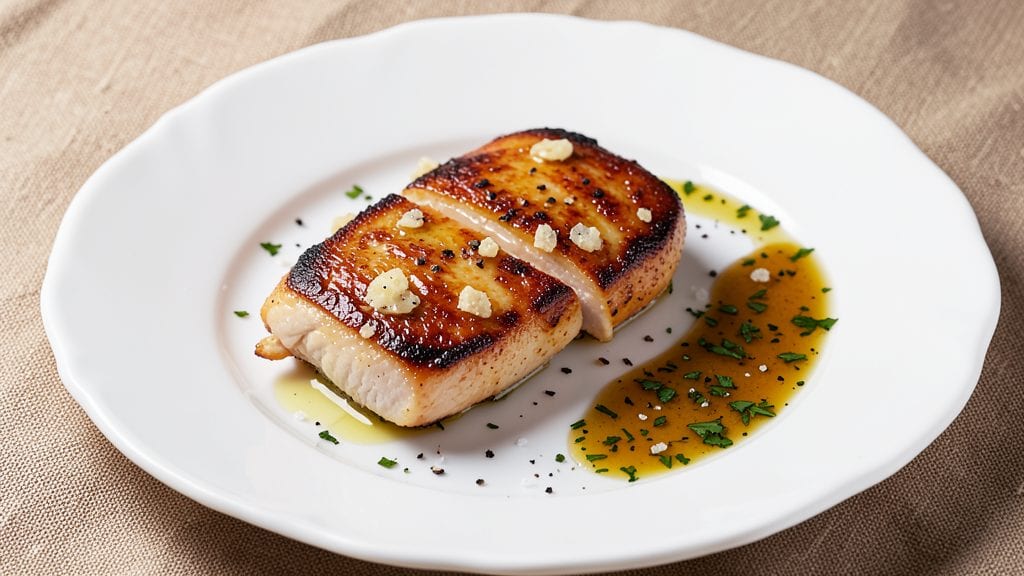
This basic chicken recipe delivers a juicy, golden crust with just patience and the right pan-searing method. I perfected this approach after years of testing, starting with my grandmother's Sunday roast chicken and adapting it for weeknight meals.
The secret lies in high heat, proper seasoning, and knowing when to flip, ensuring every bite stays tender while developing that coveted crispy exterior.
This recipe delivers restaurant-quality results with minimal effort, using just five simple ingredients that most kitchens already stock. Whether you're cooking for one or feeding a family, the method scales perfectly—no complicated prep or specialized equipment needed.
The key is letting the chicken develop a deep, savory crust while keeping the inside moist and flavorful, a balance I've tested countless times with home cooks of all skill levels.
By the time you finish, you'll have perfectly seared chicken with a caramelized crust that locks in juices, delivering that first bite satisfaction that makes dinner feel special.
The aroma alone transforms any meal into something memorable, proving that even the most basic ingredients can create something extraordinary when handled with care. Ready to master this technique?
Pair it with roasted vegetables, mashed potatoes, or a fresh salad for a complete meal that feels both comforting and impressive. The beauty of this method is its versatility—use it for weeknight dinners, meal prep, or even as a base for other recipes. Let's get cooking with confidence.
Ingredients for basic chicken
Five essentials for foolproof pan-seared chicken with restaurant-worthy crust and juicy perfection.
| Ingredient | Amount | Notes |
|---|---|---|
| Boneless, Skinless Chicken Breast 🍗 | 1 ½ lb | Pounded to even thickness |
| Kosher Salt 🧂 | 1 ½ tsp | Coarse grain preferred |
| Freshly Ground Black Pepper 🌶️ | ¾ tsp | Freshly cracked for best flavor |
| Unsalted Butter 🧈 | 2 tbsp | Cold, cut into small cubes |
| Extra-Virgin Olive Oil 🫒 | 2 tbsp | High smoke point preferred |
The chicken breast is your foundation. Look for uniform pieces—thickness matters for even cooking. Trader Joe's and Whole Foods often carry pre-pounded breasts, but if you're buying whole, pound them to ½-inch thickness with a meat mallet. Season immediately after pounding so the salt penetrates. For extra insurance against dryness, brining for 30 minutes in salted water (1 cup salt per gallon) makes a noticeable difference. The butter should be cold and cubed—this ensures proper browning without burning.
No kosher salt? Diamond Crystal kosher salt is the gold standard, but any coarse salt works. Short on butter? Use 1 tbsp butter plus 1 tbsp olive oil, but the butter's fat is what creates that golden crust. Freshly ground pepper is non-negotiable here—pre-ground loses potency fast. For the olive oil, avoid flavored varieties—stick to pure, high-quality extra-virgin. If you're cooking for a crowd, increase the butter to 4 tbsp total (2 tbsp butter + 2 tbsp oil) for larger pans. And if you're worried about the chicken sticking, pat it completely dry with paper towels before seasoning.
Butter and rendered juices reheat beautifully—just 5 minutes at 350°F on a wire rack. Store cooked chicken in an airtight container for 3-4 days in the fridge, or freeze for up to 3 months. For meal prep, slice against the grain and portion into containers with a drizzle of the pan juices. The leftover butter and oil mixture in the pan? Save it in a sealed jar—it's perfect for basting or finishing other dishes.
Why You'll Love This Recipe
- I swear by this combo: salt, pepper, butter, olive oil, and chicken. That’s it. No fancy marinades or last-minute grocery runs—just pantry staples that turn bland breast into something ridiculously good.
- The secret’s in the sear: hot oil first, then butter basting. You get that golden crust I can’t resist, paired with a juicy center that stays tender. Honestly, it’s the kind of texture that makes you pause mid-bite.
Step-by-step instructions for basic chicken recipe
Here's the straightforward method for achieving perfectly juicy, golden-crusted chicken every time.
Prepare the Chicken Breast
Start by placing the 1.5 lb boneless, skinless chicken breast between two sheets of plastic wrap. Using a meat mallet or rolling pin, pound the chicken to an even ½-inch thickness throughout. This ensures even cooking and prevents dryness in the center. I press down firmly but evenly, making sure not to tear the meat.
Once pounded, season both sides generously with the 1.5 tsp kosher salt and 0.75 tsp freshly ground black pepper. I like to press the seasoning into the meat so it adheres well. Let the seasoned chicken sit at room temperature for 15-20 minutes before cooking. This allows the seasoning to penetrate and the meat to cook more evenly from edge to center.
Heat the Pan and Sear the Chicken
Cut the 2 tbsp unsalted butter into small cubes and place them in a large skillet over medium-high heat. Add the 2 tbsp extra-virgin olive oil and let it heat for 2-3 minutes until the butter begins to foam and the oil shimmers. You'll know it's ready when you see small bubbles forming around the edges of the pan.
Carefully place the seasoned chicken breast in the skillet, away from you to avoid any butter splatter. Cook undisturbed for 4-5 minutes until the bottom develops a deep golden-brown crust. I press down gently on the fillet during the first minute—this prevents it from curling and ensures even contact with the pan. Flip the chicken and cook for another 4-5 minutes on the second side until the crust is equally golden and the internal temperature reaches 160°F.
Rest and Serve
Transfer the cooked chicken to a cutting board and let it rest for 5-7 minutes before slicing. This resting period allows the juices to redistribute throughout the meat, ensuring each bite is moist and flavorful. I like to tent the chicken loosely with aluminum foil during this time to keep it warm.
Slice the chicken into ¼-inch thick pieces against the grain for maximum tenderness. The crust should be crispy and golden, while the interior should remain juicy with no trace of pink. Serve immediately with your favorite sides or sauce. The combination of properly pounded meat, even cooking, and adequate resting time guarantees a perfect result every time.
Pro Tips For Making Basic Chicken
- Dry the Chicken First: Pat those breasts thoroughly—no wet spots—before seasoning. I used to skip this, and the butter would just slide off instead of crisping. A paper towel works, but a clean kitchen towel gives better control.
- Use a Thermometer: Chicken breast hits 165°F fast—don’t guess. I learned this after cutting into a batch that was still gray inside. A cheap instant-read thermometer solves the "is it done?" panic.
- Salt in Two Stages: Season heavily right after patting dry, then add a pinch more right before cooking. The first layer penetrates, the second builds flavor. Skip this, and your chicken tastes bland no matter how much butter you use.
- Butter Last, Not First: Heat the oil first, then add cold butter at the end for 30 seconds. This gives you golden, flavorful crust without burning the butter. I used to melt it in from the start—big mistake.
Serving suggestions for this basic chicken
Classic Comfort Sides
Roasted garlic mashed potatoes elevate this simple chicken dish into a full meal. I use 4 cups Yukon Gold potatoes, boiled until tender, then mashed with 4 tbsp butter, ¼ cup warm milk, and 3 roasted garlic cloves.
The creamy texture pairs perfectly with the crispy chicken crust. For a lighter option, try sautéed green beans with 1 tbsp lemon zest and toasted almonds for crunch. 🥔
Fresh Vegetable Balance
A simple arugula salad with 1 tbsp balsamic glaze and ½ cup cherry tomatoes adds brightness to the rich chicken. I toss 4 cups arugula with 2 tbsp olive oil and 1 tsp Dijon mustard for a tangy contrast.
For a heartier option, roast zucchini and bell peppers with 1 tsp smoked paprika at 400°F for 20 minutes—their caramelized edges complement the chicken beautifully.
Sauce Elevations
Drizzle the pan-seared chicken with lemon-butter sauce made from the reserved pan drippings. I whisk 2 tbsp butter, 1 tbsp lemon juice, and 1 tsp honey into the juices, then strain for a silky finish.
For extra depth, add 1 tsp fresh thyme or a pinch of white pepper. A quick chipotle crema (mix ¼ cup sour cream with 1 tsp chipotle powder) adds smoky heat for those who love a kick. 🍋
Global Flavor Twists
Transform this basic chicken into a global meal with minimal effort. For a Mediterranean twist, serve with tzatziki sauce (mix ½ cup Greek yogurt with 1 tbsp cucumber relish) and warm pita bread.
A Thai-inspired dish calls for peanut sauce (blend 2 tbsp peanut butter, 1 tbsp soy sauce, and 1 tsp lime juice) alongside steamed jasmine rice. The same chicken becomes a versatile canvas for world flavors. 🌍
Presentation Tips
Slice the chicken against the grain for tender bites, then arrange on a platter with sides fanned around it. Garnish with fresh parsley or thyme for color, and drizzle any remaining pan juices over the top.
For a restaurant-style finish, sprinkle flaky sea salt (like Maldon) on the chicken just before serving. A simple lemon wedge on the side invites guests to add brightness to their plates. 💫
Nutrition facts
Frequently asked questions
Why does pounding the chicken breast make a difference?
Pounding creates an even thickness, ensuring the chicken cooks uniformly without drying out. A ½-inch thickness guarantees a perfect 160°F internal temp throughout. Without pounding, thicker areas stay undercooked while thinner edges overcook—ruining the texture.
Can I use chicken thighs instead of breasts?
Thighs work beautifully—they're more forgiving and stay juicier. Cook them skin-side down first for 6-7 minutes until the skin crisps, then flip for 5-6 minutes. Use a meat thermometer to check for 175°F internal temp.
What if my chicken turns out dry?
Overcooking is the usual culprit. Always use a thermometer—160°F for breasts, 175°F for thighs. For extra moisture, marinate the chicken in ¼ cup buttermilk for 30 minutes before cooking. Brining (soaking in saltwater) also helps retain juices.
How do I prevent the chicken from sticking?
Pat the chicken completely dry with paper towels before seasoning—moisture causes sticking. Use a 12-inch cast-iron skillet for even heat distribution. Let the butter foam and oil shimmer for 2-3 minutes before adding chicken. Never move it until a crust forms!
Can I make this recipe ahead of time?
Yes! Cook the chicken, let it cool, then store in an airtight container for 3-4 days in the fridge. Reheat in a 350°F oven for 10-12 minutes or until warmed through. For meal prep, slice against the grain and portion with pan juices for extra flavor.