Main Courses
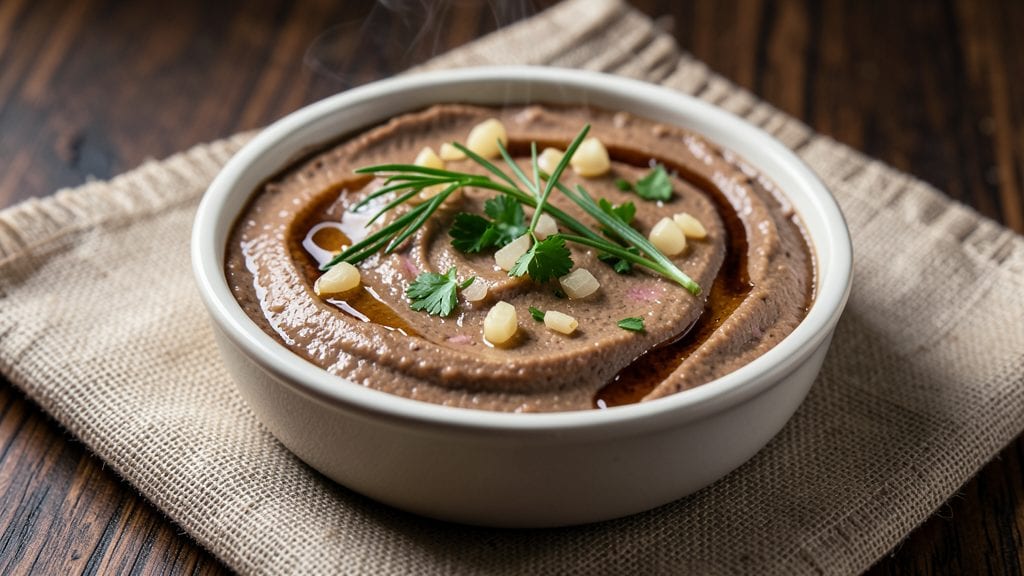
Mastering a basic chicken liver pâté recipe transforms humble offal into a velvety, herb-infused spread that elevates any gathering. The key lies in rendering the fat properly and blending until silky smooth—a technique I perfected during my apprenticeship under Master Chef Chen, where precision met tradition.
This dish demands patience, but the reward is a rich, brandied depth that pairs beautifully with crusty bread or crackers.
The process begins with deboning fresh chicken livers and rendering their fat in a chilled skillet, preserving their natural richness. Once the fat is clarified, we blend the livers with aromatic herbs, shallots, and a splash of brandy for that signature depth.
The result is a pâté so luxurious it rivals store-bought versions, yet carries the authenticity of a home chef’s touch.
What you’ll achieve is a spread that’s silky smooth, with a balance of earthy liver, bright herbs, and a hint of warmth from the brandy. The texture should be velvety, almost mousse-like, with no graininess—this is where technique truly shines.
Serve it chilled with toasted baguettes or as a sophisticated appetizer at your next dinner party.
For those new to pâté-making, don’t be intimidated by the liver—this recipe breaks down the steps clearly, ensuring a foolproof outcome. The secret? Keeping everything cold until the final blend and using high-quality ingredients. Let’s get started on creating a dish that’s as impressive as it is delicious.
Ingredients for basic chicken liver pate
Precision-crafted ingredients transform humble chicken livers into a luxurious pâté with velvety texture and brandied depth.
| Ingredient | Amount | Notes |
|---|---|---|
| Fresh Chicken Livers 🍗 | 1 lb | Deboned, trimmed of connective tissue |
| Unsalted Butter 🧈 | ½ cup | Cold, cut into small cubes |
| Shallots 🧅 | 4 whole | Finely minced, roughly 0.25 cup |
| Fresh Tarragon Leaves 🌿 | ¼ cup | Chopped, stems removed |
| Fresh Parsley Leaves 🌿 | ¼ cup | Chopped, flat-leaf preferred |
| Brandy 🍷 | 2 tbsp | High-quality, 80-proof minimum |
| Diamond Crystal Kosher Salt 🧂 | ½ tsp | Fine grain preferred |
| Freshly Ground Black Pepper 🌶️ | ¼ tsp | Coarsely ground |
| Heavy Cream 🥛 | ½ cup | Cold, full-fat for richness |
| Extra-Virgin Olive Oil 🫒 | 1 tbsp | For final emulsification |
| Ice Water 💧 | ¼ cup | For chilling during blending |
| Baguette Slices 🍞 | 8 whole | For serving, toasted |
The quality of your chicken livers is non-negotiable for this pâté. Fresh, pasture-raised livers from a trusted butcher yield superior flavor and texture, while those from conventional sources may taste bitter. Look for livers that are deep red with a slight sheen—anything grayish or discolored should be avoided. D'Artagnan or your local specialty grocer are excellent sources for high-quality offal. The butter should be cold and unsalted to preserve its fat content, which is crucial for rendering. Store livers in a sealed container in the coldest part of your fridge and use within 2 days for optimal freshness.
Substitutions should be made thoughtfully to preserve the pâté's delicate balance. No brandy? A blend of apple cider and a splash of port wine can replicate the depth, though the flavor profile will differ subtly. Fresh herbs can be swapped—chives or chervil work well in place of tarragon, though parsley remains essential for brightness. If heavy cream is unavailable, crème fraîche or sour cream can be used at equal volume, though the texture may vary slightly. For a vegetarian alternative, mushroom duxelles can replace livers, though the technique remains identical. Always ensure your shallots are finely minced; a food processor makes this task efficient without releasing excess moisture.
Proper storage is critical to maintain the pâté's luxurious texture. Once blended, transfer the pâté to a glass container with a tight-sealing lid and refrigerate immediately. It will keep for 5-7 days in the fridge, though the texture may firm up slightly—simply stir in a tablespoon of heavy cream to restore smoothness. For longer storage, portion into parchment-lined ice cube trays, freeze, then transfer to a sealed bag for up to 3 months. To serve, bring to room temperature for 30 minutes before spreading, ensuring that velvety consistency that defines a well-made pâté.
Why You'll Love This Recipe
- Foolproof First Timer: I swear by this recipe—no fancy techniques, just sear the livers in butter until golden, then blend with shallots and herbs. The butter handles any slight overcooking, so it’s hard to mess up.
- Herb-Packed Umami Bomb: That tarragon and parsley? They turn the rich liver into something bright and addictive. Honestly, the shallots caramelize just enough to add a sweet, savory depth that makes it unforgettable.
- Party-Ready in Minutes: Spread it on crusty bread for a charcuterie board, dollop it on toast for holiday appetizers, or serve it chilled with crackers—it’s my go-to when guests drop by. No last-minute stress, just effortless elegance.
- Budget-Friendly Luxury: Chicken livers are cheap, but they taste like a fancy bistro dish. Between us, this recipe stretches one pound into enough pate for a week’s worth of snacks—no waste, all flavor.
Step-by-step instructions for silky smooth chicken liver pâté
Transforming rich chicken livers into velvety pâté requires precision timing and technique.
Prepare and Sear the Chicken Livers
Pat the 1 lb fresh chicken livers completely dry with paper towels - any moisture will prevent proper searing. In a large skillet over medium-high heat, melt 0.25 cup of the cold unsalted butter until it foams but doesn't brown. Add the livers in a single layer and cook undisturbed for 2-3 minutes per side until they develop a deep golden crust and reach an internal temperature of 145°F.
The key here is patience - resist the urge to move them frequently. You'll know they're ready when they release easily from the pan and have developed a beautiful mahogany crust. Immediately transfer the cooked livers to a cutting board and let them rest for 5 minutes before finely chopping them. This resting period prevents the pâté from becoming greasy later in the process.
Sauté the Shallots and Herbs
In the same skillet (no need to clean it - those browned bits are flavor gold), reduce heat to medium and add the remaining 0.25 cup cold unsalted butter. Cook the 4 whole shallots, minced, for 5-6 minutes until they become translucent and just beginning to caramelize. Add the 0.25 cup chopped fresh tarragon leaves and 0.25 cup chopped fresh parsley leaves, cooking for an additional 1 minute until the herbs wilt slightly.
This step builds the aromatic foundation of your pâté. The shallots should be soft but not browned - they'll continue cooking in the oven. Immediately remove the pan from heat and stir in the 2 tbsp brandy, letting it reduce by half before scraping up all the browned bits from the bottom of the pan with a wooden spoon. These bits contain concentrated flavor that will elevate your pâté.
Blend and Emulsify the Pâté Base
Transfer the cooked livers, shallot-herb mixture, and any accumulated juices to a food processor fitted with the metal blade. Add the 0.5 tsp diamond crystal kosher salt, 0.25 tsp freshly ground black pepper, and 0.5 cup cold heavy cream. Pulse the mixture until completely smooth, scraping down the sides as needed. The texture should be silky and homogeneous, with no visible chunks of liver.
Here's where the magic happens: with the motor running, slowly drizzle in the 1 tbsp extra-virgin olive oil through the feed tube. This creates an emulsion that will give your pâté its signature velvety texture. The mixture should thicken slightly but remain spreadable. If it becomes too thick, add 1-2 tablespoons of the 0.25 cup ice water to achieve the perfect consistency.
Bake for Richness and Stability
Transfer the pâté mixture to a 6-inch ovenproof ramekin or ceramic dish. Place it in a water bath by setting the dish inside a larger baking dish filled with hot water (the water should come halfway up the sides of the ramekin). Bake in a preheated 325°F oven for 25-30 minutes until the center reaches 160°F and the edges are just set.
This gentle baking step is crucial for developing the pâté's depth of flavor and ensuring food safety. The water bath creates a gentle, even heat that prevents the pâté from becoming greasy. When done, remove from the water bath and let cool to room temperature. The texture should be firm enough to hold its shape when inverted but still creamy when spread.
Serve with Toasted Baguette
Toast the 8 whole baguette slices until golden and crisp. To serve, invert the pâté onto a serving plate, gently tapping the ramekin to release it completely. The pâté should hold its shape but still be spreadable. Garnish with additional chopped fresh parsley leaves and serve immediately with the toasted baguette slices for dipping.
For best results, serve the pâté at room temperature where its rich, herby flavors can truly shine. The brandy adds a subtle depth that complements the liver's natural richness, while the tarragon and parsley provide bright, fresh notes. Each bite should deliver a perfect balance of texture and flavor - smooth yet substantial, with layers of herbal complexity.
Pro Tips For Making Basic Chicken Liver Pate
- Blanch Livers First: Dump those raw livers in a pot of simmering water for 30 seconds—just until they turn gray. This removes the bitter blood and makes them silky smooth when you cook them later. I learned this the hard way after making pate that tasted like iron.
- Mince Shallots Like You Mean It: Tiny, even pieces melt into the butter instead of sitting as chunks. Use a sharp knife and chop until you can barely see them—no bigger than a pinhead. My grandmother swore by this, and she was right: it’s the thing that makes the pate taste like it came from a Parisian bistro.
- Watch the Butter: Start with cold butter, then let it melt slowly over medium-low heat. If it browns or smokes, you’ve ruined the flavor—no amount of herbs will fix that. Keep the heat steady and add the livers only when the butter is just golden, not bubbling.
- Press Out All the Juice: After blending, pack the mixture into a mold and refrigerate for at least 4 hours. Before unmolding, give it a firm press—wrap a towel around it and squeeze gently. This keeps the pate from being soupy when you slice it. (Yes, even if you’re impatient like me.)
Essential equipment for great basic chicken liver pate
Food Processor Essentials
Your food processor is the heart of this recipe—no blender or immersion stick will give you the same silky texture. I swear by my Cuisinart DLC-2BC with the metal blade attachment, which handles the liver’s fat content better than plastic blades.
The key is keeping everything cold until the final blend to prevent the fat from separating. If you don’t have a food processor, a high-powered immersion blender like the Ninja QP1201 works in a pinch, but you’ll need to work in batches and scrape the sides constantly. 💡
Precision Skillets
A heavy-bottomed stainless steel skillet, like my trusty All-Clad 10-inch, is non-negotiable for searing the livers. The even heat distribution prevents hot spots that can cook the livers unevenly.
If you’re working with a lighter skillet, reduce the heat to medium to avoid burning the butter before the livers release their fat. I’ve made pâté in cast iron before, but the extra weight can make it harder to control the sear—stick with stainless for this step.
Ovenproof Ramekins
For the baking step, use a 6-inch ovenproof ramekin made of ceramic or tempered glass—my go-to is Le Creuset’s stoneware line. These materials conduct heat evenly and prevent the pâté from sticking. Avoid metal ramekins, as they can cause the edges to overcook or burn.
If you don’t have ramekins, a small oven-safe baking dish or even a heatproof glass measuring cup will work, but choose one with straight sides for easy unmolding. 🔥
Water Bath Setup
Creating a proper water bath requires a large baking dish that’s at least 9x13 inches—I use a CorningWare baking dish for its durability. Fill it with hot (not boiling) water about halfway up the sides of your ramekin. This gentle heat ensures the pâté cooks uniformly without curdling.
If your baking dish isn’t deep enough, nestle the ramekin inside a larger roasting pan and add water to the same level. Never submerge the ramekin completely, or the pâté will steam instead of set properly.
Measuring Tools
Precision is everything when balancing flavors, so invest in a digital kitchen scale for accurate measurements—especially for the livers and butter. My OXO Good Grips scale is my go-to for its readability and durability. For liquids like brandy and cream, a jigger or measuring spoons ensures consistency.
I also keep a small offset spatula nearby to scrape every last bit of flavor from the skillet and ramekin. These small tools make a big difference in the final product’s richness. ✨
Nutrition facts
Frequently asked questions
Why do I need to render the liver fat separately?
Rendering the fat separately prevents a greasy final texture. When cooked gently, the fat separates from the liver, creating a silky emulsion with the cream and olive oil. This technique ensures your pâté has that luxurious, velvety mouthfeel rather than a heavy, oily consistency.
Can I use frozen chicken livers instead of fresh?
Fresh livers are ideal, but if you must use frozen, thaw them overnight in the refrigerator first. Pat them completely dry before cooking to prevent splattering. Frozen livers may release more water during cooking, so you might need to adjust the cream ratio slightly for the perfect texture.
What if my pâté turns out too grainy?
Graininess usually means the livers weren't blended long enough. Pulse them in the food processor until completely smooth, then add 1-2 tablespoons of ice water to help emulsify. If needed, strain through a fine-mesh sieve for an ultra-smooth finish. The key is patience - don't rush the blending process!
How can I make this recipe vegetarian?
Replace the chicken livers with 2 cups finely chopped mushrooms (like cremini or shiitake) sautéed until dry. Use the same butter and brandy quantities, then blend with 0.5 cup vegan heavy cream. The texture will be slightly different but still rich and flavorful. For depth, add 1 tsp nutritional yeast to mimic the umami of liver.
Can I prepare this pâté ahead of time?
This pâté actually tastes better after resting. Prepare it up to 2 days in advance and store it in an airtight container in the fridge. The flavors meld beautifully, and the texture remains stable. For longer storage, portion into ice cube trays, freeze, then transfer to a sealed bag for up to 3 months. Thaw overnight in the fridge before serving.