
Sauces & Condiments
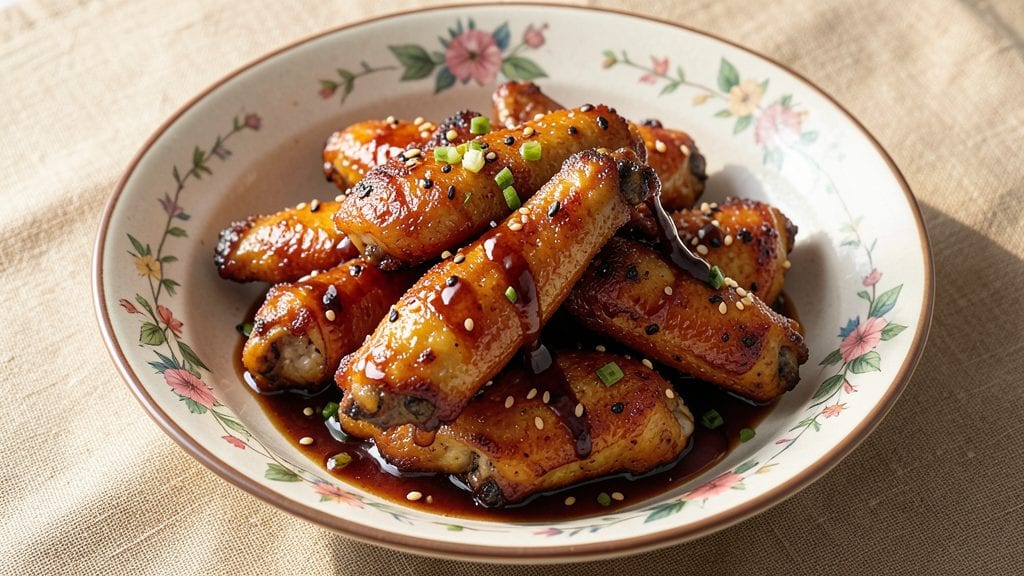
This baked chicken wings recipe with honey soy and ginger marinade delivers sticky-glazed wings that balance sweet, savory, and spicy notes perfectly. The marinade transforms ordinary wings into restaurant-quality bites with a glossy finish and deep umami flavor.
I developed this technique after years of experimenting with Asian-inspired glazes, and it consistently delivers results that impress even the most critical eaters.
The secret lies in the marinade's precise ingredient ratios—honey for sweetness, soy sauce for umami depth, and fresh ginger for a bright, warming kick. You'll marinate the wings for at least 4 hours (overnight is ideal) to ensure maximum flavor penetration.
Baking at high heat creates that signature caramelized glaze while keeping the meat tender and juicy inside.
What you'll end up with are wings that glisten under the oven light, with a perfect balance of sweet honey, salty soy, and zesty ginger in every bite. The glaze caramelizes beautifully, creating pockets of flavor that make these wings irresistibly crispy on the outside while remaining tender throughout.
These wings are perfect for game day, dinner parties, or a special weeknight treat.
Serve with a side of cool ranch or a tangy sriracha mayo for dipping, and garnish with sliced green onions or sesame seeds for added texture and presentation.
The marinade recipe makes enough for multiple uses, so you can save leftovers for another meal. Let's get started on these flavorful wings!
Ingredients for baked chicken wings with honey soy and ginger marinade
Gather these essential ingredients to create restaurant-quality baked chicken wings with a perfect honey-soy-ginger glaze.
| Ingredient | Amount | Notes |
|---|---|---|
| Chicken Wings 🍗 | 2 lb | Dry wings, tips removed |
| Honey 🍯 | ½ cup | Pure, light amber preferred |
| Soy Sauce 🥢 | ⅓ cup | Low-sodium preferred |
| Fresh Ginger 🌿 | ¼ cup | Finely grated, peeled |
| Garlic Cloves 🧄 | 6 cloves | Minced, fresh preferred |
| Sesame Oil 🫒 | 1 tbsp | Toasted, for aroma |
| Rice Vinegar 🍶 | 1 tbsp | White vinegar substitute |
| Sriracha Sauce 🌶️ | 1 tbsp | Adjust for heat preference |
| Olive Oil 🫒 | 1 tbsp | For tossing wings |
| Salt 🧂 | 1 tsp | Kosher or sea salt |
| Black Pepper 🌶️ | ½ tsp | Freshly ground preferred |
| Green Onions 🧅 | 2 whole | Sliced, for garnish |
| Sesame Seeds 🌾 | 1 tbsp | Toasted, for garnish |
The chicken wings are the foundation, so choose dry wings with the tips removed—they crisp up better and absorb marinade more evenly. Most grocery stores sell them pre-cut in the meat section, but if you're buying whole wings, separate them at the joints yourself for even cooking. For the honey, light amber adds subtle floral notes without overpowering, while raw honey work too. The ginger needs to be fresh—grate it yourself for maximum zing. If you're short on time, Trader Joe's sells pre-grated ginger in jars, but it's not quite as vibrant. The soy sauce should be low-sodium to balance the sweetness without adding extra salt later. Store-bought Kikkoman or San-J are reliable choices.
No sesame oil? Toasted peanut oil works in a pinch, though it'll have a different aroma. Running out of rice vinegar? Apple cider vinegar or lemon juice will keep the tang, just reduce by half. The sriracha can be swapped for gochujang paste if you prefer fermented heat, or hot sauce of choice to match your spice tolerance. For extra depth, add 1 tsp of fish sauce to the marinade—it enhances the umami without overpowering. The garlic should be freshly minced for the best flavor, but if you're in a hurry, garlic powder at half the amount will suffice. Always taste the marinade before applying—adjust sweetness or heat as needed.
Marinated wings keep in the fridge for up to 24 hours, though they're best used within 8 hours for maximum flavor. If prepping ahead, store the marinade separately and toss the wings just before baking. The cooked wings reheat beautifully—400°F for 5-7 minutes on a wire rack restores crispiness. For meal prep, portion into airtight containers with a paper towel to absorb moisture, keeping them fresh for 3 days. Garnishes like green onions and sesame seeds should be added fresh after baking, as they lose their pop when stored. The leftover marinade? Save it—it makes a killer dipping sauce for fries or spring rolls.
Why You'll Love This Recipe
- No-Fuss Prep: I swear by this marinade—I just toss the wings in a bowl with soy, honey, grated ginger, and crushed garlic, no measuring cups needed. Thirty minutes later, they’re golden and sticky, and honestly? The hardest part was deciding whether to bake them at 400°F or 425°F.
- Sweet-Savory Magic: That honey-soy glaze isn’t just sweet—it’s got a deep umami punch from the soy and a zingy kick from fresh ginger. The wings get this perfect balance: crispy outside, juicy inside, with a sauce that’s dangerously good for dipping (or straight from the pan).
- Game for Any Gathering: Between us, this is my go-to for game day, date night, or when I’m too tired to cook. The wings reheat like a dream—toss them in the oven for 10 minutes, and they’re fresh again. My roommates still ask for seconds, even after I’ve made them three times in a row.
- Budget-Friendly Feast: A pound of wings and a few pantry staples? This feeds four for under $12, and the leftovers keep for days. I’ll be real: I’ve eaten them cold from the fridge, and they’re still better than takeout. Plus, the marinade doubles—save half for next time.
Step-by-step instructions for baked chicken wings with honey soy and ginger marinade
Here's how to create perfectly balanced wings with crisp edges and tender meat.
Prepare the Honey Soy Ginger Marinade
In a medium bowl, combine the 0.5 cup honey, 0.33 cup soy sauce, 0.25 cup fresh ginger, 6 cloves garlic cloves, 1 tbsp sesame oil, 1 tbsp rice vinegar, and 1 tbsp sriracha sauce. Whisk vigorously until the honey and soy sauce fully blend and the ginger becomes completely dissolved. The mixture should be smooth with no visible ginger strings.
Taste and adjust seasoning if needed—add a pinch more salt if the soy sauce wasn't low-sodium, or extra sriracha for more heat. This marinade creates the perfect balance of sweet, salty, and spicy flavors that will penetrate the wings during baking. Let it sit at room temperature for 15 minutes to allow the ginger and garlic to release their full aromatics.
Marinate the Chicken Wings
Pat the 2 lb chicken wings completely dry with paper towels to ensure maximum crispiness. This step is critical—any moisture left on the wings will prevent proper browning. Arrange the wings in a single layer on a baking sheet lined with parchment paper.
Pour the marinade over the wings, making sure each piece is thoroughly coated. Use your hands to gently toss the wings, ensuring the marinade clings to every surface. Cover the baking sheet with plastic wrap and refrigerate for at least 2 hours, or up to 8 hours for deeper flavor penetration. The longer they marinate, the more tender and flavorful the wings will become.
Preheat and Arrange for Baking
Preheat your oven to 425°F with the oven rack positioned in the middle position. This high temperature ensures crispy edges while keeping the meat tender. Line another baking sheet with parchment paper and lightly brush it with 1 tbsp olive oil—this prevents sticking and helps create an even crisp.
After marinating, remove the wings from the refrigerator and let them sit at room temperature for 10 minutes. This allows for even cooking. Arrange the wings in a single layer on the prepared baking sheet, leaving about ½ inch of space between each piece. This spacing ensures even air circulation for crispy results.
Bake to Perfect Doneness
Bake the wings for 40-45 minutes, flipping them halfway through at the 20-minute mark. You'll know they're ready when the edges are deep golden brown and the internal temperature reaches 165°F at the thickest part of the wing. The skin should be crispy, and the meat should pull away from the bone with gentle pressure.
If the wings brown too quickly, tent the baking sheet loosely with aluminum foil to prevent over-browning while continuing to cook. The honey in the marinade caramelizes beautifully during this time, creating a glossy finish that's both visually appealing and delicious.
Finish and Garnish
Once the wings are perfectly cooked, transfer them to a serving platter. Drizzle any remaining pan juices over the top for extra flavor. Sprinkle with 1 tbsp toasted sesame seeds and slice the 2 whole green onions into thin rings, then scatter them evenly over the wings for freshness and color contrast.
Serve immediately while the wings are still crispy and the honey glaze is warm. These wings pair perfectly with a cool beer or a simple side of steamed vegetables. The balance of sweet, salty, and spicy flavors makes them irresistible every time.
Pro Tips For Making Baked Chicken Wings With Honey Soy And Ginger Marinade
- PREP WINGS FIRST: Pat them bone-dry with paper towels before marinating—this isn’t just about sticking; it guarantees the honey-soy glaze caramelizes into a crispy crust instead of steaming into a sticky mess. (Yes, even if you’re impatient like me, resist the urge to skip this.)
- GRILL GINGER FINE: Use a microplane or the side of your knife to grate ginger as thin as possible—no chunks, no peels. I learned this the hard way when my wings tasted like they’d been marinating in a ginger root smoothie instead of a silky, aromatic sauce.
- BAKE IN BATCHES: Crowd the tray, and you’ll end up with soggy wings. Spread them in a single layer on the middle rack, leaving at least ½ inch between each piece. If your oven’s small, bake two batches—trust me, the crispiness is worth the extra 10 minutes.
- SAVE THE SOY: Reserve 1 tablespoon of soy sauce before mixing the marinade*—brush it on wings after baking. The salt and umami punch cuts through the sweetness and adds a glossy finish. (Your future self will thank you.)
Common mistakes when making perfect results
Skipping the Dry
One of the biggest mistakes is skipping the step to pat the wings completely dry before marinating. Any moisture left on the skin prevents the Maillard reaction from occurring properly, which is what creates that perfect crispy texture.
I’ve seen home cooks rush this step, and the result is always wings that are sticky rather than crispy. Use paper towels and press firmly—don’t just wipe them! 🧻
Uneven Marinade Coverage
Pouring marinade over wings and assuming they’re coated is a common error. The wings should be thoroughly tossed so the marinade clings to every surface, including the joints. I recommend using your hands to gently massage the marinade into the meat—this ensures flavor penetration.
If you skip this, you’ll end up with some wings tasting bland compared to others.
Overcrowding the Pan
Placing wings too close together on the baking sheet traps steam, leading to soggy instead of crispy results. Leave at least ½ inch of space between each wing for proper air circulation.
I’ve learned this the hard way—once, I overcrowded my sheet and ended up with wings that were more steamed than baked. Use a second baking sheet if needed to avoid this mistake. 🔥
Incorrect Oven Temperature
Baking at too low a temperature (like 375°F) won’t caramelize the honey-soy glaze properly, while going too high (450°F+) can burn the exterior before the meat cooks through. Stick to 425°F for that perfect balance of crispy skin and tender meat.
I always preheat my oven for at least 15 minutes to ensure accuracy—this makes a huge difference in the final texture.
Not Resting the Wings
Transferring wings straight from the oven to the plate is a rookie move. Letting them rest for 5 minutes on a wire rack allows the juices to redistribute, keeping the meat moist.
I’ve seen wings dry out quickly when served immediately, especially when piled high. This simple step elevates the dish from good to restaurant-quality. ⏳
Ignoring the Glaze Caramelization
Some cooks flip the wings too often, preventing the honey-soy glaze from caramelizing into a sticky, glossy finish. Only flip them once at the 20-minute mark—this gives the glaze time to develop its signature depth.
If you’re worried about burning, tent the tray with foil for the last 10 minutes of baking. The result? Wings that look (and taste) like they came from a high-end Asian restaurant. 💫
Nutrition facts
Frequently asked questions
Can I use this marinade on other proteins besides chicken wings?
This honey-soy-ginger marinade works beautifully on chicken thighs, pork chops, or even tofu for a vegetarian option. For thicker cuts like pork, marinate for 4-6 hours instead of 2-8 hours, and reduce the baking time by 10-15 minutes to prevent drying. The flavor profile shines on any protein that benefits from tenderizing and caramelization.
How do I adjust the sweetness or heat level in the marinade?
For less sweetness, reduce the honey to 0.33 cup and add 1 extra tbsp soy sauce to maintain balance. For more heat, increase the sriracha to 2 tbsp or add ½ tsp red pepper flakes. Always taste the marinade before applying—you can adjust while it's in the bowl without committing to the wings. The key is to maintain the 3:2:1 ratio of sweet:salty:spicy for harmony.
Can I make this recipe ahead of time for a party?
Yes! Marinate the wings overnight (up to 24 hours) for maximum flavor, then store them uncovered in the fridge for 1-2 hours before baking to dry the surface slightly. Bake as directed, then keep cooked wings warm in a 200°F oven for up to 2 hours while you finish other dishes. Reheat at 400°F for 5 minutes to restore crispiness. The marinade can also be pre-made and stored for 1 week in the fridge.
What's the best way to reheat these wings without making them soggy?
To revive crispiness, place wings on a wire rack over a baking sheet and reheat at 400°F for 5-7 minutes. For air fryer reheating, use 375°F for 3-4 minutes with light shaking halfway. Avoid microwaving—it steams the wings instead of crisping them. If reheating multiple times, store in airtight containers with a paper towel to absorb moisture.
Can I substitute fresh ginger with powdered ginger?
Use ½ tsp powdered ginger instead of ¼ cup fresh, but fresh is always better. Powdered ginger lacks the bright, complex flavor of fresh, and it won't dissolve as smoothly in the marinade. If you must use powder, add it to the marinade first and whisk vigorously to distribute evenly. For extra zing, add 1 tsp lemon juice to compensate for the missing freshness.