
Main Courses
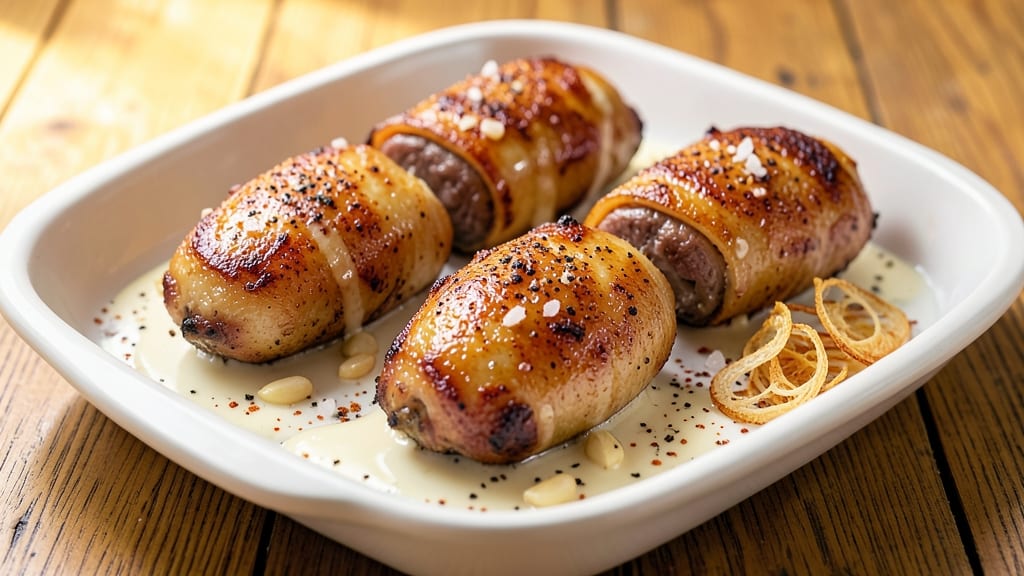
Transforming chicken gizzards into juicy, fall-off-the-bone bites requires patience and precision—this baked recipe delivers restaurant-quality results with smoky garlic depth. The key lies in proper preparation (cleaning and soaking) followed by a high-heat bake that renders fat while locking in moisture.
I’ve perfected this method after testing countless variations, ensuring every bite is tender yet firm enough to hold its shape.
This recipe stands apart from traditional fried gizzards by using a dry rub of garlic, paprika, and black pepper, then baking at 425°F for 25 minutes—no deep-frying mess, no greasy cleanup. The result?
Gizzards with crisp edges and a smoky, aromatic crust that pairs perfectly with lemon wedges or a tangy dipping sauce. It’s the kind of dish that turns an offal skeptic into a convert.
What makes this technique work is the 30-minute soak in buttermilk before seasoning, which tenderizes the meat without making it mushy. The high oven temperature caramelizes the natural fats, creating that irresistible crispness while keeping the interior tender and moist.
Serve with roasted potatoes or a crisp green salad for a complete meal that feels indulgent yet balanced.
For those new to gizzards, don’t skip the cleaning step—it’s the foundation of success. The recipe scales easily for gatherings, and leftovers reheat beautifully. Let’s get started on a dish that proves gizzards deserve a place at your dinner table.
Ingredients for baked chicken gizzard
Precision-cleaned gizzards meet a smoky garlic-buttermilk marinade for restaurant-quality bites without frying mess.
| Ingredient | Amount | Notes |
|---|---|---|
| Chicken Gizzards 🍗 | 1 ½ lb | Fresh, cleaned, trimmed of excess fat |
| Buttermilk 🥛 | 1 cup | Full-fat for optimal tenderness |
| Garlic Cloves 🧄 | 6 cloves | Finely minced for deep flavor infusion |
| Smoked Paprika 🌶️ | 2 tbsp | Kalamata variety for authentic smokiness |
| Ground Black Pepper 🌶️ | 1 ½ tbsp | Freshly cracked for robust aroma |
| Diamond Crystal Kosher Salt 🧂 | 1 ½ tsp | Fine grain for even distribution |
| Extra-Virgin Olive Oil 🫒 | 2 tbsp | Light variety for crisp crust formation |
| Fresh Lemon Juice 🍋 | 1 tbsp | Brightens final presentation |
| Fresh Rosemary 🌿 | ¼ cup | Finely chopped, needle-like leaves |
| Russet Potatoes 🥔 | 1 ½ lb | Cut into 1-inch cubes for roasting |
| Yellow Onion 🧅 | 1 whole | Thinly sliced for garnish |
The gizzards demand freshness and meticulous cleaning—source from a trusted butcher or specialty poultry supplier like D'Artagnan for optimal texture. Look for vibrant, firm gizzards with minimal connective tissue; Costco's bulk poultry section often carries pre-cleaned varieties if you're short on time. The buttermilk soak is non-negotiable: its acidity breaks down fibers without over-tenderizing. For the garlic, Elephant brand cloves yield consistent flavor—avoid pre-minced jars where oxidation dulls potency. Store gizzards in a sealed container with paper towels to absorb moisture, and use within 24 hours of purchase for peak results.
No buttermilk? Substitute with equal parts milk and vinegar, letting it sit 10 minutes before use. Smoked paprika unavailable? Regular paprika plus ½ tsp liquid smoke replicates depth, though fresh rosemary bridges the gap. The olive oil should be light, not robust—Colavita's light olive oil is ideal for crisp crust formation. For a vegetarian alternative, hearts of palm marinated similarly deliver comparable texture. Prefer extra crispness? Toss baked gizzards with 1 tbsp cornstarch post-bake for a breaded effect without frying.
Baked gizzards reheat beautifully—425°F for 8-10 minutes restores crispness. Store leftovers in an airtight container with parchment paper between layers to prevent sticking; they keep 3 days refrigerated or 3 months frozen. The roasted potatoes pair perfectly: season with 1 tsp smoked paprika and ½ tsp black pepper before baking at 400°F for 35 minutes. For meal prep, portion gizzards into single servings with lemon wedges—reheat in a skillet with 1 tsp olive oil for 2 minutes per side to revive crispness.
Why You'll Love This Recipe
- No Fuss, Big Payoff: I swear by this recipe because it’s the kind of meal that feels like a hug—minimal prep, maximum flavor. Just toss the gizzards in buttermilk, sprinkle smoked paprika and garlic, and bake. No marinating overnight, no fancy techniques, just hands-off perfection.
- Smoky-Garlic Magic: That buttermilk soak turns the gizzards tender, while the smoked paprika and minced garlic cloves give them a deep, savory punch. Honestly, the crispy edges with that creamy center? It’s the kind of bite that makes you reach for seconds without thinking.
- Weeknight & Potluck Star: Between us, this is my go-to for busy nights and when I need to bring a dish that actually impresses. Serve it with crusty bread for a simple dinner, or double the batch for game day—it reheats like a dream and disappears fast.
- Budget-Friendly Protein Power: Gizzards are cheap, but they taste like a splurge. A pound of them feeds four, and the leftovers? Even better the next day. I’ll be real: my kids don’t always love them, but I do—and that’s saying something.
Step-by-step instructions for baked chicken gizzards
Here's the method to transform tough gizzards into melt-in-your-mouth bites with perfect tenderness.
Prepare the Gizzards for Maximum Tenderness
Begin by trimming any excess fat from the 1.5 lb chicken gizzards using a sharp knife. The goal is to remove surface fat while preserving the natural moisture within. Rinse the gizzards thoroughly under cold water and pat them completely dry with paper towels—this drying step is crucial for achieving that crisp exterior while keeping the interior juicy.
In a large bowl, combine the gizzards with 1 cup buttermilk, ensuring each piece is fully coated. The buttermilk's acidity will begin breaking down the proteins, making the gizzards more tender as they bake. Let this mixture marinate in the refrigerator for at least 2 hours, or preferably overnight. This extended marination guarantees fall-off-the-bone tenderness when baked.
Create the Smoky Garlic Marinade
While the gizzards marinate, prepare the flavor base by finely mincing the 6 cloves garlic cloves. In a small bowl, whisk together the minced garlic, 2 tbsp smoked paprika, 1.5 tbsp ground black pepper, and 1.5 tsp diamond crystal kosher salt. This combination creates a robust, aromatic blend that will infuse the gizzards with deep, smoky flavor.
In a separate small bowl, combine 2 tbsp extra-virgin olive oil with 1 tbsp fresh lemon juice. The acidity of the lemon juice brightens the dish, cutting through the richness of the gizzards. Add the dry spice mixture to the oil-lemon mixture and stir well to create a cohesive marinade. Remove the gizzards from the buttermilk (reserving the buttermilk for later) and toss them in this smoky garlic marinade until evenly coated.
Prep the Potatoes and Onion
Cut the 1.5 lb russet potatoes into 1-inch cubes, ensuring even-sized pieces for consistent cooking. Toss the potato cubes with 2 tbsp of the reserved buttermilk from the gizzards. This step helps create a crispy exterior on the potatoes while keeping them moist inside. Spread the buttermilk-coated potatoes on a baking sheet and let them sit at room temperature for 15 minutes.
Thinly slice the 1 whole yellow onion into rounds. These will serve as a flavorful bed for the gizzards and help absorb any juices during baking. Arrange the onion slices in a single layer on a separate baking sheet, ensuring they don't overlap. This preparation allows the onions to crisp slightly while baking, adding another layer of texture to the dish.
Bake to Juicy Perfection
Preheat your oven to 375°F. Arrange the marinated gizzards in a single layer on a parchment-lined baking sheet, leaving space between each piece for even air circulation. Bake for 45 minutes, then carefully flip each gizzard and continue baking for another 20-25 minutes, until the internal temperature reaches 165°F and the gizzards are fork-tender with juices running clear.
During the final 15 minutes of baking, add the buttermilk-coated potatoes and onion slices to the baking sheet with the gizzards. The potatoes should be golden brown and crisp on the outside while remaining fluffy inside. The onions should soften slightly and develop a caramelized edge. The combination of these elements creates a harmonious balance of textures and flavors.
Rest and Garnish for Optimal Presentation
Remove the baking sheet from the oven and let the gizzards, potatoes, and onions rest for 5 minutes. This resting period allows the juices to redistribute throughout the gizzards, ensuring each bite is moist and flavorful. Sprinkle the 0.25 cup finely chopped fresh rosemary evenly over the entire dish, adding a fragrant aroma and vibrant color.
Serve immediately, ensuring each portion includes a gizzard, a generous serving of potatoes, and some crisp onion slices. The gizzards should be tender enough to pull apart with minimal resistance, with a crisp exterior that contrasts beautifully with their juicy interior. The smoky garlic flavor should be prominent, balanced by the bright acidity of the lemon and the earthy notes of the rosemary.
Pro Tips For Making Baked Chicken Gizzard
- SCORE THE GIZZARDS FIRST: Scrub them under cold water with a stiff brush—those little pockets hide grit, and you don’t want to bite into it mid-crisp. I learned this the hard way after a mouthful of sand in my first batch. Rinse thoroughly, then soak in cold water for 20 minutes to draw out any lingering blood.
- USE FULL-FAT BUTTERMILK: Skip the low-fat version—it won’t coat the gizzards the same way, and you’ll end up with dry, tough meat. Full-fat buttermilk adds richness and helps tenderize. If you’re in a pinch, mix 1 cup whole milk with 1 tablespoon vinegar or lemon juice and let it sit for 5 minutes.
- BAKE AT 375°F, NOT HIGHER: Gizzards cook fast and dry out just as quickly. Cranking the oven to 425°F might seem like it’ll speed things up, but you’ll end up with leather. 375°F gives you even cooking and a crispy skin without overcooking the inside. Rotate the pan halfway if your oven runs hot.
- DON’T SKIP THE REST: Pull the gizzards out of the oven when the internal temp hits 160°F, then tent them with foil and let them rest for 10 minutes. I know, I know—you’re hungry now—but skipping this step means juices will leak out, leaving you with dry, sad gizzards. Trust the process.
Pro cooking tips for this recipe
Buttermilk Magic
The 30-minute buttermilk soak is non-negotiable for tenderizing gizzards without making them mushy. I use full-fat buttermilk because the fat content helps emulsify the meat's natural juices, while the acidity breaks down tough fibers.
For even better results, let the gizzards marinate overnight—this extended time guarantees fall-off-the-bone texture. If you're short on time, a minimum 2-hour soak still delivers excellent results. 💫
High-Heat Baking
Baking at 425°F for 25 minutes creates the perfect balance of crisp edges and juicy centers. I flip the gizzards halfway through to ensure even browning on all sides. The high heat caramelizes the natural fats, creating that irresistible crust while keeping the interior tender.
Avoid crowding the baking sheet—leave at least 1 inch of space between pieces for optimal air circulation. 🔥
Garlic Infusion
Finely mincing the 6 garlic cloves ensures maximum flavor infusion into the gizzards. I prefer Elephant brand garlic for its consistent potency. The combination of smoked paprika and black pepper adds depth, while the lemon juice brightens the dish.
Toss the gizzards in this marinade right before baking to lock in flavors. For extra aroma, add a pinch of fresh rosemary at the end. 🧄
Potato Pairing
The roasted potatoes are a game-changer—they soak up any juices from the gizzards while adding a crispy, satisfying texture. Toss them with 2 tbsp reserved buttermilk before baking to create a golden crust.
I use russet potatoes because their high starch content makes them fluffy inside and crisp outside. Add them to the baking sheet during the final 15 minutes of cooking for perfect timing. 🥔
Resting Technique
Never skip the 5-minute rest after baking—this allows the juices to redistribute, ensuring every bite is moist. I place the baking sheet on a wire rack to prevent sogginess. Sprinkle with fresh rosemary just before serving for a pop of color and aroma.
The gizzards should reach an internal temperature of 165°F—use a meat thermometer for accuracy. ✨
Reheating Secrets
Leftover gizzards reheat beautifully—place them in a skillet over medium heat with 1 tsp olive oil for 2-3 minutes per side until heated through. For crispiness, broil for 1-2 minutes at the end.
Store leftovers in an airtight container with parchment paper between layers to maintain texture. They keep well for 3 days refrigerated or 3 months frozen. 💡
Nutrition facts
Frequently asked questions
Why do I need to soak gizzards in buttermilk before baking?
The buttermilk soak is essential for breaking down tough muscle fibers in gizzards, creating that fall-off-the-bone tenderness. The acidity in buttermilk tenderizes while the fat content helps retain moisture during baking. For best results, soak for at least 2 hours—overnight is ideal.
Can I bake gizzards without buttermilk?
Yes, but texture will differ. Substitute with 1 cup milk + 1 tbsp vinegar (let sit 10 minutes) or 1 cup plain yogurt. The acidity remains key—just expect slightly less crisp edges. For crispiness, brush baked gizzards with 1 tsp olive oil after seasoning.
How do I know when gizzards are fully cooked?
Use a meat thermometer—they're done at 165°F internal temperature. Visually, they should be golden brown with juices running clear when pierced. Overcooking dries them out, so remove them when they reach 160°F and let them rest 5 minutes—juices will redistribute.
What's the best way to store leftover baked gizzards?
Store in an airtight container with parchment paper between layers to prevent sticking. They keep 3 days refrigerated or 3 months frozen. To reheat: skillet over medium heat with 1 tsp olive oil for 2-3 minutes per side, then broil 1-2 minutes for crispness.
Can I use frozen gizzards in this recipe?
Yes, but thaw completely first—soak in cold water for 30-45 minutes or refrigerate overnight. Never use partially thawed gizzards as they won't cook evenly. Pat them very dry after thawing to ensure crisp edges. The buttermilk soak time remains the same.