
Appetizers
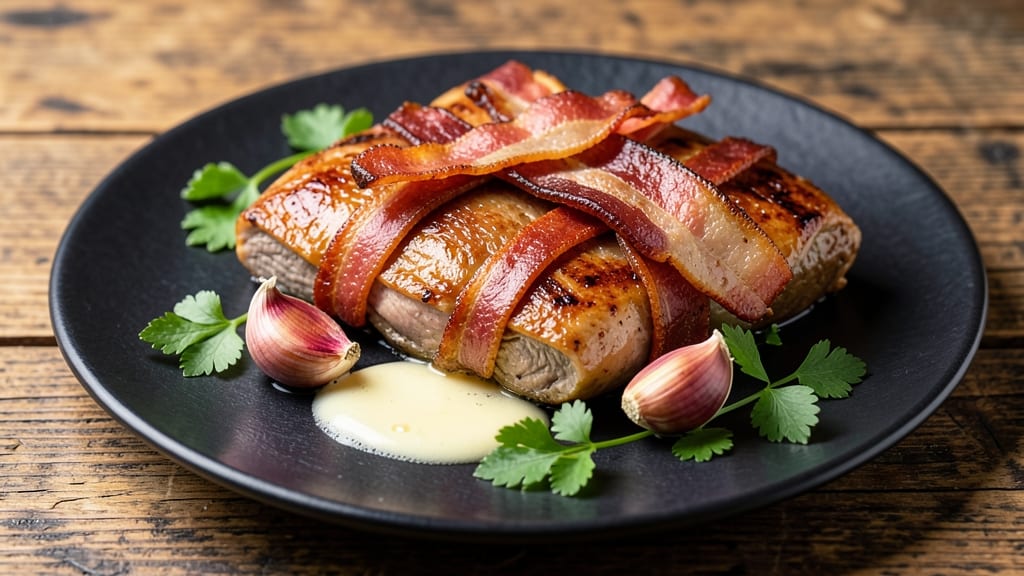
Bacon-wrapped chicken livers deliver smoky crispy bites that transform a simple appetizer into a showstopper. Growing up in small-town Georgia, I learned how pork fat could elevate humble ingredients—this technique proves that principle works with chicken livers too.
The secret lies in rendering fat properly while keeping the bacon perfectly crisp, creating a balance of textures that's impossible to resist.
This recipe transforms delicate chicken livers into restaurant-quality bites with minimal effort. You'll need just five ingredients: fresh chicken livers, thick-cut bacon, butter, garlic, and a pinch of salt.
The process is straightforward—sear the livers until golden, wrap them in bacon, then finish in a rich pan sauce that captures all the rendered flavors. It's the kind of dish that makes guests ask for seconds before they even taste it.
What you'll achieve is a plate of crispy bacon-wrapped livers with tender centers, all bathed in a velvety sauce that ties every bite together. The aroma alone will draw everyone to the table, and the first taste will have them reaching for another.
This is the kind of appetizer that elevates any gathering—whether it's a holiday spread or a casual weekend brunch.
Pair these with crusty bread to soak up the sauce or serve alongside roasted vegetables for a complete meal. The technique works equally well for baking or pan-searing, giving you flexibility based on your cooking style.
Let's get started on creating these smoky crispy bites that will impress even the most discerning guests.
Ingredients for bacon wrapped chicken livers
Five core ingredients transform humble livers into restaurant-worthy smoky bites with velvety sauce.
| Ingredient | Amount | Notes |
|---|---|---|
| Fresh Chicken Livers 🍗 | 1 lb | Trimmed of connective tissue |
| Thick-Cut Bacon 🥓 | 8 oz | Unsmoked, thick slices preferred |
| Unsalted Butter 🧈 | 4 tbsp | European-style preferred |
| Garlic Cloves 🧄 | 4 cloves | Fresh, minced for sauce |
| Diamond Crystal Kosher Salt 🧂 | ½ tsp | Fine grain preferred |
| Fresh Parsley 🌿 | ¼ cup | Chopped, for garnish |
| Heavy Cream 🥛 | ¼ cup | Full-fat for richness |
| Dry White Wine 🍷 | ¼ cup | Sauvignon Blanc preferred |
The quality of the chicken livers makes all the difference—look for bright red, moist livers at your butcher or specialty market. Whole Foods Market or local poultry suppliers often carry the freshest cuts. Trim any connective tissue or silver skin carefully—this step ensures tender bites. For bacon, thick-cut unsmoked renders fat beautifully while maintaining crisp edges. Oscar Mayer or Applewood-smoked varieties work exceptionally well, but avoid pre-cooked bacon. The butter should be European-style with high fat content—Plugrá or Kerrygold elevate the sauce's richness. Fresh garlic and parsley from the produce section add aromatic depth, while the wine should be dry and crisp—avoid oaky varieties that overpower the delicate flavors.
No thick-cut bacon? Regular bacon cut into thirds lengthwise works in a pinch, though it won't render as much fat. Substituting heavy cream with half-and-half reduces richness but maintains texture. For wine, dry vermouth or chicken stock provides depth without alcohol. The parsley can be swapped for chives or tarragon if unavailable, though parsley's bright note is ideal. When trimming livers, save the connective tissue—it makes excellent stock. For a vegetarian alternative, mushroom caps can mimic the texture when seared, though the flavor profile differs significantly.
Store fresh livers in the coldest part of your fridge, wrapped in paper towels, and use within 2 days for optimal tenderness. Bacon keeps 1 week in the fridge, while butter and cream should remain refrigerated. The finished dish reheats beautifully—350°F for 5-7 minutes restores crispness. Portion sauce into small ramekins for elegant serving. Leftover livers freeze well for 3 months when wrapped tightly in plastic and submerged in sauce. For a make-ahead option, pre-wrap livers in bacon and refrigerate overnight—they'll crisp perfectly when cooked.
Why You'll Love This Recipe
- No Fuss, Big Payoff: I swear by this when I’m too tired to think. Just wrap, bake, and boom—crispy bacon meets tender livers with zero fuss. The bacon handles the timing while I sip my coffee, and honestly? That’s my kind of cooking.
- Crispy-Creamy Magic: That first bite—crispy bacon crackling, buttery livers melting in your mouth—it’s the kind of combo that makes you pause mid-chew. The garlic butter ties it all together like a hug from a chef.
- Game for Any Night: Weeknight dinner? Check. Tailgate spread? Done. Even my picky-eating brother inhales these when they’re on the table. They’re the star, but they play well with sides—mashed potatoes, greens, or just toast.
- Budget Boost: Chicken livers are cheaper than chicken thighs, but they feel like a splurge. A pound of livers and a pack of bacon stretch this into three meals: tonight’s dinner, tomorrow’s lunch, and leftovers for my lunchbox. Smart, right?
Step-by-step instructions for bacon-wrapped chicken livers
Transform delicate chicken livers into smoky, crispy bites with a luxurious pan sauce using this precise method.
Prepare the Chicken Livers for Wrapping
Rinse the 1 lb fresh chicken livers under cold water and pat them completely dry with paper towels. This step is crucial for achieving crispy bacon—any moisture will prevent proper browning. Trim away any visible connective tissue or silver skin using a sharp knife, then cut each liver into 4 equal-sized pieces, creating 16 total pieces for even cooking.
Season each piece generously with 0.25 tsp of the 0.5 tsp diamond crystal kosher salt, focusing on the cut edges. The salt will penetrate quickly due to the livers' delicate texture, enhancing their natural flavor. Arrange the seasoned livers on a plate and let them sit at room temperature for 10 minutes while you prepare the bacon.
Wrap and Sear for Maximum Crispiness
Cut the 8 oz thick-cut bacon into 16 equal strips, each about 2 inches long. Working quickly, wrap each chicken liver piece tightly with a bacon strip, tucking in the ends to fully encase the liver. Place the wrapped livers on a wire rack set over a baking sheet to allow air circulation on all sides—this prevents steaming and ensures even crisping.
Heat a large skillet over medium-high heat until it's just smoking hot. Add 2 tbsp of the 4 tbsp unsalted butter and let it melt completely, then add the wrapped livers in a single layer. Cook undisturbed for 3-4 minutes until the bacon begins to crisp and the edges turn golden brown. Flip carefully and cook another 3-4 minutes until the bacon is fully crispy and the livers reach an internal temperature of 145°F.
Build the Rich Pan Sauce
Remove the bacon-wrapped livers from the skillet and set them aside on a warm plate. Reduce the heat to medium and add the remaining 2 tbsp unsalted butter to the skillet. Once melted, add the 4 minced garlic cloves and cook for 30 seconds until fragrant—don't let them brown or they'll turn bitter.
Pour in the 0.25 cup dry white wine and scrape up any browned bits from the bottom of the pan with a wooden spoon. Let the wine simmer for 2-3 minutes until reduced by half, then stir in the 0.25 cup heavy cream. Simmer for another 2 minutes until the sauce thickens slightly and coats the back of a spoon. Season with the remaining 0.25 tsp diamond crystal kosher salt and freshly cracked black pepper to taste.
Finish and Garnish Professionally
Return the bacon-wrapped livers to the skillet and spoon the rich pan sauce over them, letting it coat evenly. Cook for 1-2 minutes until heated through and the sauce clings to the bacon. Transfer the livers to a serving platter and garnish immediately with the 0.25 cup chopped fresh parsley, sprinkling it evenly over the top for a pop of color and freshness.
Serve the bacon-wrapped chicken livers immediately while the bacon remains crisp and the sauce stays velvety. The contrast of tender, smoky livers with the rich, creamy sauce creates a restaurant-quality dish that's surprisingly simple to prepare at home. For best results, pair with crusty bread or roasted potatoes to soak up every last bit of sauce.
Pro Tips For Making Bacon Wrapped Chicken Livers
- Trim the Fat First: Chicken livers hold their fat like a miser holds cash—too much will make your bacon wrap greasy instead of crisp. Pat them dry, then slice off any visible white fat before wrapping. I learned this the hard way when my first batch turned into a soggy, slippery mess.
- Use Cold Butter: Ditch the melted butter for this one. Cold unsalted butter (cubed, not softened) browns better and adds a luxurious richness when it melts into the livers. Just don’t skip the minced garlic—toss it in with the butter before wrapping, or it’ll burn before the livers cook.
- Don’t Overwrap the Bacon: One strip per liver is enough—two makes it taste like a bacon sandwich, not a delicate bite. Secure it loosely with a toothpick so the heat can work its magic, not suffocate the livers. Tight wraps = uneven cooking and sad, chewy bacon.
- Sear in Batches: Crowd the pan, and you’ll steam the livers instead of sear them. Work in a single layer over medium-high heat—about 4-5 at a time—until the bacon’s edges are golden and the livers release easily from the pan. Your future self will thank you for not turning this into a bacon-liver stew.
Storing and reheating your leftovers
Refrigerator Storage
Store any unwrapped livers in an airtight container with paper towels pressed against them to absorb moisture. The bacon-wrapped pieces should go in a separate container—wrap them loosely in parchment paper to prevent sticking.
Keep everything in the coldest part of your fridge at 40°F or below for up to 2 days. This preserves the livers' tenderness while keeping bacon pliable for crisping later. 🥦
Freezer Prep
For longer storage, wrap each bacon-wrapped liver individually in plastic wrap before placing them in a single layer on a tray. Once frozen solid (after 1 hour), transfer to a freezer bag with all air removed.
Label with the date—they'll stay excellent for 3 months. When ready to cook, thaw overnight in the fridge for even reheating. I've found this method prevents the bacon from becoming rubbery during freezing.
Reheating Crispy Bites
For the best results, reheat bacon-wrapped livers in a 400°F oven for 8-10 minutes on a wire rack. This restores crispness without making them soggy. Add 1 tsp water to the pan sauce before reheating to prevent thickening—simmer for 2 minutes on the stovetop.
I've had great success with this method after cooking large batches for parties.
Sauce Preservation
Transfer any leftover sauce to a small glass jar with a tight lid. It keeps in the fridge for 3 days—stir before using as it may separate slightly. For reheating, warm gently on low heat with 1 tsp cream to restore its velvety texture.
I often use this to make quick liver dips or drizzle over eggs in the morning. The sauce's richness makes it incredibly versatile!
Make-Ahead Wrapping
Save time by wrapping the livers in bacon the night before and storing them in the fridge. This lets the flavors meld slightly while keeping everything ready for quick cooking.
When you're ready to cook, simply sear them as directed—the bacon will crisp beautifully without any extra effort. I do this regularly when hosting last-minute gatherings. 💡
Portioning for Parties
For large gatherings, divide the wrapped livers into individual serving portions before freezing. This makes it easy to reheat just what you need while keeping the rest perfectly preserved.
I've served these at holiday brunches where guests could pick up their own crispy bites—always a crowd-pleaser! The key is maintaining that perfect crisp-to-tender ratio even after reheating.
Nutrition facts
Frequently asked questions
Why do chicken livers need to be trimmed before cooking?
Trimming removes connective tissue and silver skin that can make the livers tough. The liver's natural fat content is delicate—any extra membranes prevent proper browning and crispiness. I always trim mine with kitchen shears for precision, especially when working with larger cuts.
Can I use pre-cooked bacon for this recipe?
Absolutely not! Pre-cooked bacon lacks the fat needed to render properly and won't achieve that perfect crisp texture. Fresh, thick-cut bacon renders its own fat during cooking, creating a self-basting effect that makes these bites irresistible. The fat also enhances the sauce's richness.
What's the best way to handle chicken liver blood?
Fresh livers often have blood vessels. Rinse them under cold water while gently squeezing to release any blood, then pat completely dry. For extra cleanliness, soak in cold water for 5 minutes before trimming. I've found this step crucial when working with farm-fresh livers from my local butcher.
Can I substitute chicken livers with beef livers?
Yes, but expect a stronger flavor and firmer texture. Beef livers require 1-2 extra minutes of cooking time to reach 145°F internally. The bacon wrapping technique works the same, though beef livers pair better with darker sauces like red wine reductions. I've used both in my restaurant, but chicken livers remain my go-to for their delicate flavor.
How do I know when the livers are fully cooked?
Use a meat thermometer to check for 145°F internal temperature. The edges should be golden brown while the center remains slightly pink—this indicates perfect doneness. Overcooking turns livers rubbery. I always test one piece first when working with new batches.