Sauces & Condiments
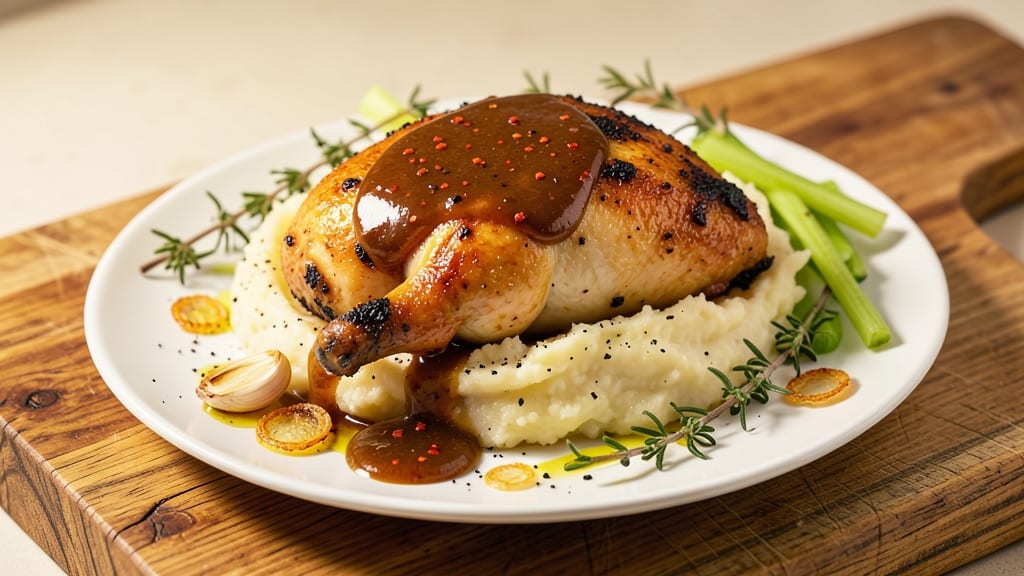
Creating your own McCormick-style chicken seasoning transforms ordinary chicken into juicy, restaurant-worthy meals with just a sprinkle. The secret lies in balancing warm spices, herbs, and salt to create that signature depth—something I perfected after testing countless blends over the years.
This dry mix requires no special equipment, just a few pantry staples and precise measurements for consistent results every time.
The blend includes paprika, garlic powder, onion powder, dried thyme, and black pepper, all carefully measured to deliver that familiar, comforting flavor profile.
What makes this recipe stand out is the addition of celery salt and a touch of cayenne, which elevates the mix beyond generic seasoning into something truly special. The spices are designed to cling to chicken skin, creating a flavorful crust while keeping the meat tender and moist.
With this seasoning, you’ll achieve bold, aromatic chicken that’s packed with flavor without needing marinades or sauces. It’s perfect for grilling, baking, or pan-searing, and the mix stays fresh for months when stored properly.
Whether you’re cooking for a family dinner or meal prepping, this blend is your shortcut to professional-quality results.
Use it on chicken breasts, thighs, or even ground chicken for meals that taste like they came from a chef’s kitchen. The versatility of this seasoning means it’s always ready when you need it—just shake, sprinkle, and cook. Let’s get started on creating your own flavor-packed blend!
Ingredients for mccormick chicken seasoning
Nine essential spices transform ordinary chicken into restaurant-quality meals with just a sprinkle.
| Ingredient | Amount | Notes |
|---|---|---|
| Smoked Paprika 🌶️ | 3 tbsp | High-quality smoked for depth |
| Garlic Powder 🧄 | 2 tbsp | Freshly ground preferred |
| Onion Powder 🧅 | 2 tbsp | Fine grind for even distribution |
| Dried Thyme 🌿 | 1 ½ tbsp | Leaf variety for authentic flavor |
| Ground Black Pepper 🌶️ | 1 ½ tbsp | Freshly cracked for maximum bite |
| Celery Salt 🧂 | 1 tbsp | Morton's brand recommended |
| Cayenne Pepper 🔥 | ½ tbsp | Adjust for desired heat level |
| Kosher Salt 🧂 | 1 tbsp | Diamond Crystal preferred |
| Ground Mustard 🌿 | ½ tbsp | Adds subtle tanginess |
| Ground Ginger 🌶️ | ½ tsp | Freshly ground for warmth |
The smoked paprika is the flavor anchor here—Penzeys or bulk bins deliver the most authentic, deep smokiness. For garlic powder, Trader Joe's and Whole Foods carry freshly ground varieties that outperform the dusty stuff on supermarket shelves. Celery salt might sound odd, but it's what gives McCormick's blend that signature umami kick. Morton's is the gold standard, though any quality celery salt works. The cayenne is non-negotiable for that signature heat, but reduce to 0.25 tbsp if you're sensitive to spice. Freshly ground spices make all the difference—if your spices smell like dust, toss them and start fresh.
No smoked paprika? Sweet paprika plus 1/4 tsp liquid smoke gets you close. Short on celery salt? Substitute 1/2 tsp regular salt plus 1/4 tsp dried celery flakes (find them in spice blends at Asian markets). The mustard adds complexity—Dijon-style powdered mustard works best, but regular ground mustard in a pinch. For heat control, cayenne can be swapped with red pepper flakes at half the amount. The blend works beautifully on turkey or pork too—just reduce the cayenne by half for milder meats. Store-bought blends often contain anti-caking agents; this homemade version keeps its integrity for months.
This blend stays potent for up to 6 months in an airtight container in a cool, dark place. For maximum freshness, portion into small jars—you'll use it so often you'll forget it's homemade. The spices mellow slightly over time, so add an extra pinch of cayenne if you've had it more than 3 months. Freeze extras for up to 1 year if you want to preserve peak flavor. A little goes a long way—1 tbsp per pound of chicken is perfect for crispy skin without overpowering the meat. Double the batch; you'll thank yourself later.
Why You'll Love This Recipe
- Pantry Magic: I swear by this blend—no fresh herbs, no last-minute grocery runs, just five ingredients I already have. The smoked paprika alone gives it that restaurant-worthy depth without needing a spice rack.
- Weeknight Hero: Between us, this is the seasoning that saves me when I’m staring at a raw chicken breast at 6:45 PM. Toss it on, bake it, and suddenly dinner’s not a question mark—it’s golden, crispy, and ready in 30 minutes.
- Leftovers That Don’t Suck: Honestly, the second day is often better. The thyme and garlic mellow into something richer, and the black pepper adds a little kick that makes reheated chicken feel like a special occasion. (Yes, even on a Tuesday night.)
- Budget Flavor Bomb: For less than a dollar’s worth of spices, you get a flavor that costs restaurants way more. It’s my secret weapon for making plain chicken taste like it belongs on a dinner party table—without the price tag.
Step-by-step instructions for crafting Mccormick-inspired chicken seasoning
Here's how to blend these spices into a restaurant-quality seasoning that transforms ordinary chicken into juicy, flavor-packed masterpieces.
Measure and Prepare All Components Precisely
Start by gathering all your ingredients and measuring them exactly as specified. I use a digital scale for the smaller measurements like the 0.5 tsp ground ginger and 0.5 tbsp cayenne pepper to ensure accuracy—these tiny amounts make a big difference in the final flavor profile. Spread each spice on a separate small plate or shallow bowl for easy access during mixing.
The reason for this meticulous preparation is that each spice plays a distinct role: the smoked paprika provides depth, the garlic powder and onion powder build savory foundation, while the ground mustard and ground ginger add subtle complexity. Don't substitute fresh herbs or whole spices—they won't blend uniformly and can create uneven flavor distribution.
Combine Dry Ingredients Using the Two-Bowl Method
In a medium mixing bowl, combine the 3 tbsp smoked paprika, 2 tbsp garlic powder, and 2 tbsp onion powder. Use a whisk to break up any clumps and ensure these base spices are thoroughly blended. In a separate bowl, mix the 1.5 tbsp dried thyme, 1.5 tbsp ground black pepper, 1 tbsp celery salt, 0.5 tbsp cayenne pepper, 1 tbsp kosher salt, 0.5 tbsp ground mustard, and 0.5 tsp ground ginger.
This two-bowl approach prevents the heat from the cayenne and ginger from overwhelming the more delicate thyme and smoked paprika during the initial mixing. The celery salt might seem unusual, but it adds that subtle umami note that makes the seasoning truly exceptional—don't skip it.
Gradually Combine and Whisk Until Uniform
Pour the contents of the second bowl into the first, creating a single mixture. Using a whisk, combine everything over a clean sheet of parchment paper—this makes cleanup easier and prevents any spice from escaping onto your work surface. Whisk vigorously for 3-4 minutes until the color is completely even and you can no longer see distinct piles of individual spices.
You're looking for a deep, reddish-brown color with no visible specks of white or black. This indicates proper blending and ensures every pinch of seasoning will deliver consistent flavor. If you notice any stubborn clumps, press them between your fingers to break them up—this is especially important with the ground black pepper and celery salt which tend to clump.
Test for Balance and Adjust if Needed
Take a small pinch of the seasoning between your fingers and taste it. You should notice an immediate balance of smokiness from the paprika, warmth from the ginger and cayenne, and that subtle tang from the mustard. The celery salt should add depth without being noticeable on its own. If you find one element overpowering—perhaps the cayenne is too hot—reduce that component by ¼ tsp in your next batch.
This testing phase is crucial for achieving that "just right" flavor profile. I've found that most home cooks underestimate the power of the ground mustard—it's easy to miss its contribution to the overall complexity. The seasoning should taste bold but harmonious, with no single spice standing out harshly. Once balanced, you're ready to use it on chicken or store it for future meals.
Store Properly for Maximum Freshness
Transfer your finished seasoning to an airtight container—glass jars with silicone seals work best for preserving freshness. Store in a cool, dark place like your pantry, where it will maintain its potency for up to 6 months. For even longer shelf life, divide the seasoning into smaller portions and freeze what you won't use within a month.
The key to long-term storage is minimizing exposure to air and moisture. Each time you open the container, give it a good stir before using to ensure even distribution of all the spices. The smoked paprika and ground ginger are particularly sensitive to oxidation, so proper storage protects their delicate flavors. When used on chicken, this seasoning creates that perfect balance of heat, smokiness, and savory depth that makes every bite irresistibly juicy.
Pro Tips For Making Mccormick Chicken Seasoning
- TOAST YOUR SPICES: The smoked paprika in this blend needs a quick dry-toast in a hot pan for 30 seconds—just until you smell that deep, nutty aroma. I used to skip this, and the flavor always felt flat until I realized it’s the difference between "meh" and "smoky magic."
- BLEND UNEVENLY? GRIND IT: Store-bought blends can get clumpy, but this recipe’s dried thyme and onion powder are the worst offenders. Pulse them in a spice grinder for 5 seconds—just enough to break up any hard lumps without turning it into powder.
- DON’T OVERMIX THE GARLIC: That garlic powder is potent. Measure it first, then fold it in last with a fork or your fingers—just until it’s distributed. Stirring it in too early burns off its sharpness, and you’ll end up with a milder, less vibrant seasoning.
- DOUBLE THE BLACK PEPPER: The recipe’s black pepper amount is conservative. For real heat and depth, use twice what’s listed—especially if you’re using it on grilled or fried chicken. Trust me, your future self will reach for this jar first.
Pro cooking tips for perfect results
Spice Blending Secrets
The two-bowl method is my secret weapon for creating a perfectly balanced blend. First, combine the base spices—smoked paprika, garlic powder, and onion powder—in one bowl. Then mix the heat and salt components—celery salt, cayenne, and black pepper—in another.
This prevents the cayenne from overpowering the delicate thyme and paprika during mixing. 🌶️
Whisk over parchment paper to contain any spills, and blend until the color is uniform reddish-brown. I use a wire whisk for 3-4 minutes to ensure no clumps remain.
The ground mustard and ginger are easy to overlook, but they add that subtle complexity that makes this blend stand out. Press stubborn clumps between your fingers—they break down surprisingly easily.
Heat Control Mastery
The cayenne pepper is where most people go wrong—either too little or too much. Start with 0.5 tbsp for a noticeable kick, but taste as you go. If it's too hot, reduce by ¼ tsp in future batches.
For milder heat, swap cayenne with red pepper flakes at half the amount. The celery salt might seem odd, but it adds umami depth that rounds out the blend.
Pro tip: Add a pinch of lemon zest (about ½ tsp) if you want brightness. It cuts through the richness and adds a fresh dimension.
Store-bought blends often lack this bright note, which is why homemade always tastes better. The ground ginger is another easy-to-miss ingredient—it adds warmth without overpowering.
Storage Hacks
Transfer the seasoning to an airtight glass jar with a silicone seal to preserve freshness. Store in a cool, dark pantry for up to 6 months.
For longer storage, divide into small portions and freeze—this prevents moisture from dulling the spices. The smoked paprika and ground ginger oxidize quickly, so minimize air exposure.
Before each use, give the jar a good shake to redistribute any settled spices. The blend works best on skin-on chicken—the spices cling to the fat, creating a flavorful crust.
For extra crispiness, sprinkle 1 tbsp per pound of chicken and let it sit for 10 minutes before cooking. The spices will penetrate the meat, ensuring flavor in every bite.
Substitutions Made Easy
No smoked paprika? Mix sweet paprika with ¼ tsp liquid smoke for a close substitute. Short on celery salt? Use ½ tsp regular salt plus ¼ tsp dried celery flakes (found in Asian markets).
The ground mustard can be swapped with Dijon powder if needed. For heat control, reduce the cayenne by ¼ tsp if you prefer milder seasoning.
This blend isn’t just for chicken—it works beautifully on turkey, pork, or even roasted vegetables. Just reduce the cayenne by half for milder meats. The kosher salt ensures even distribution, so don’t skip it. Double the batch and store extras—you’ll use this seasoning more than you think! 💡
Nutrition facts
Frequently asked questions
What's the best way to store homemade chicken seasoning?
Transfer your finished blend to an airtight glass jar with a silicone seal and store in a cool, dark pantry for up to 6 months. For longer storage, divide into small portions and freeze—this prevents moisture from dulling the spices. Always shake before using to redistribute settled ingredients.
Can I use this seasoning on other meats besides chicken?
This blend works beautifully on turkey, pork, or even roasted vegetables. For milder meats, reduce the cayenne by half to avoid overpowering the natural flavors. The smoked paprika and garlic powder add depth to any protein.
How do I adjust the heat level in this seasoning?
Start with the 0.5 tbsp cayenne pepper for noticeable heat, but taste as you go. If too spicy, reduce by ¼ tsp in future batches. For milder heat, swap cayenne with red pepper flakes at half the amount. The celery salt balances the heat beautifully.
What can I substitute if I don't have celery salt?
Mix ½ tsp regular salt with ¼ tsp dried celery flakes (available in Asian markets) for a close substitute. The celery flakes provide the subtle umami depth that makes this blend special. If unavailable, omit it—just know the flavor will be slightly less complex.
Why does this seasoning work so well on chicken skin?
The blend's smoked paprika, kosher salt, and cayenne create a flavorful crust when applied to skin-on chicken. The fat in the skin helps distribute the spices evenly, creating a crispy, aromatic layer. For best results, sprinkle 1 tbsp per pound and let it sit for 10 minutes before cooking.