Sauces & Condiments
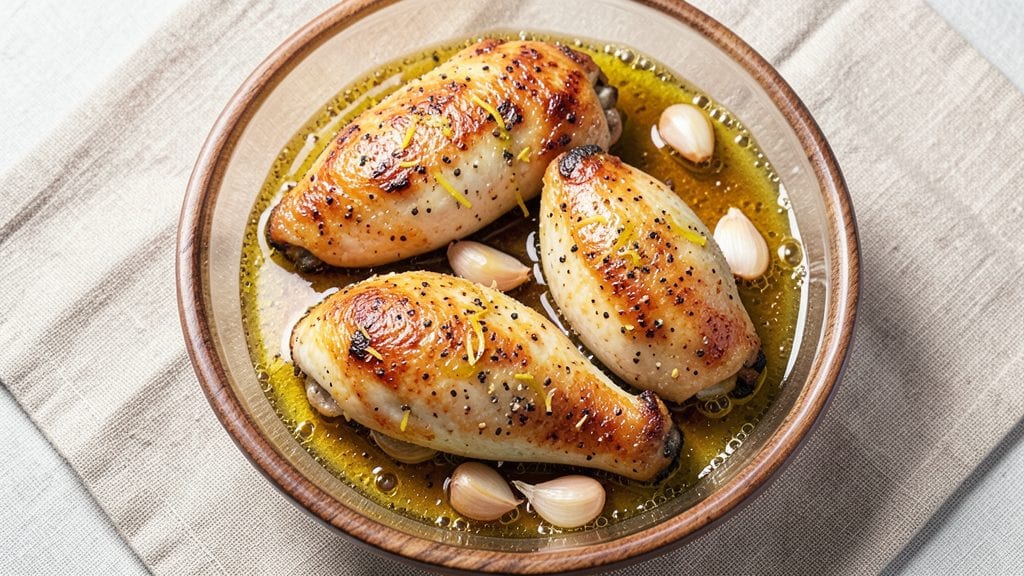
Mastering Lawry's lemon pepper marinade transforms ordinary chicken into a restaurant-worthy dish with crispy skin and juicy perfection.
The secret lies in balancing the tangy brightness of lemon with the bold, peppery kick of Lawry's seasoning blend—something I perfected during my apprenticeship under Chef Chen, where precision in seasoning made all the difference.
This isn't just marinade; it's the foundation for a dish that delivers crispy, golden skin while keeping the meat impossibly tender inside.
The beauty of this recipe is its simplicity: just three core ingredients—chicken, Lawry's seasoning, and lemon juice—plus a few pantry staples for depth. You'll marinate the chicken for at least 4 hours (overnight is ideal), allowing the flavors to penetrate deeply.
Whether you grill, bake, or pan-sear, the technique ensures that crispy texture you crave without compromising juiciness. The result? A dish that's bold enough for a weeknight dinner but elegant enough for company.
What you'll end up with is chicken that's impossible to resist—crispy edges that shatter with each bite, juicy meat that falls apart effortlessly, and a bright, zesty flavor profile that lingers.
The marinade doesn't just season; it transforms the chicken into something special, turning a simple protein into the star of the meal. This is the kind of recipe that makes you look like a pro, even when you're cooking at home.
Pair it with roasted vegetables or a fresh salad to round out the meal, or serve it as the centerpiece of a feast. The versatility of this recipe means it works for any occasion, from a quick weeknight dinner to a weekend gathering.
Let's get started—your taste buds will thank you.
Ingredients for lawry's lemon pepper marinade chicken
Three core ingredients plus a few pantry staples create restaurant-quality chicken with crispy skin and juicy perfection.
| Ingredient | Amount | Notes |
|---|---|---|
| Boneless, Skin-On Chicken Thighs 🍗 | 1 ½ lb | Even-sized for consistent cooking |
| Lawry's Lemon Pepper Seasoning 🧂 | 3 tbsp | Original blend preferred |
| Fresh Lemon Juice 🍋 | ½ cup | From 2-3 medium lemons |
| Extra-Virgin Olive Oil 🫒 | ¼ cup | Light fruity variety |
| Honey 🍯 | 2 tbsp | For subtle sweetness balance |
| Garlic Cloves 🧄 | 4 cloves | Minced for deep flavor infusion |
| Diamond Crystal Kosher Salt 🧂 | ½ tsp | Enhances seasoning penetration |
| Cornstarch 🌾 | 2 tbsp | For crispy skin development |
| Ground Black Pepper 🌶️ | ¼ tsp | Freshly ground for heat |
| Fresh Rosemary 🌿 | ¼ cup | Chopped, for aromatic depth |
| Unsalted Butter 🧈 | 2 tbsp | Melted for basting |
Lawry's Lemon Pepper Seasoning is the star here—grab the original blend from any grocery store's spice aisle, not the lemon pepper salt substitute. The seasoning should have a vibrant yellow hue and a fresh lemon aroma (if it smells stale, toss it). For the chicken, thighs with skin-on work best—the fat renders for crispiness while keeping the meat juicy. I always buy mine from Whole Foods or the butcher counter at Kroger for the freshest cuts. Even-sized thighs (about 6-8 ounces each) ensure even cooking, so don't mix different sizes. The skin should be intact with no tears—poke holes in it with a fork before marinating for maximum crispiness.
No Lawry's Lemon Pepper Seasoning? Mix 2 tbsp lemon pepper salt with 1 tbsp garlic powder and 1 tbsp onion powder for a close substitute. Fresh lemon juice can be swapped for bottled lemon juice plus 1/4 tsp extra sugar, but the flavor won't be as bright. For the honey, maple syrup works in a pinch, though it adds a distinct earthiness. The garlic can be roasted (wrap whole cloves in foil with olive oil at 400°F for 20 minutes) for a sweeter, deeper flavor—worth the extra minute if you're grilling. If you're short on time, pre-minced garlic from a jar works, but fresh always tastes better.
Marinate the chicken for at least 4 hours (overnight is ideal) in a sealed container or heavy-duty bag. The marinade keeps in the fridge for up to 3 days—just reserve some for basting. For crispy skin, pat the chicken dry with paper towels before cooking and let it sit at room temperature for 30 minutes. The cooked chicken reheats beautifully—450°F oven for 10 minutes restores crispiness. Store leftovers in an airtight container for 3-4 days or freeze for up to 3 months. I like to portion mine into single servings for easy lunches.
Why You'll Love This Recipe
- Here’s what sold me: that crispy edge with the creamy center. The Lawry’s seasoning gives it a zingy kick, the lemon brightens it up, and the skin-on thighs? They render into pure, golden goodness. Honestly, it’s the kind of dish that makes you want to lick the plate.
- Five-Ingredient Magic: I swear by this combo—just chicken, Lawry’s seasoning, lemon juice, olive oil, and honey. That’s it. No chopping, no fuss, and the flavor? Chef’s kiss. The honey keeps it from being too sharp, while the olive oil makes the skin irresistibly crispy.
- Crispy-Creamy Perfection: Here’s what sold me: that crispy edge with the creamy center. The Lawry’s seasoning gives it a zingy kick, the lemon brightens it up, and the skin-on thighs? They render into pure, golden goodness. Honestly, it’s the kind of dish that makes you want to lick the plate.
- Weeknight or Potluck: Between us, this works for everything. Toss it on the grill for summer BBQs, bake it for a lazy Tuesday, or pack it for work—it reheats like a dream. My daughter picks out the chicken for school lunches, but still asks for seconds. (Yes, even on a Tuesday night.)
Step-by-step instructions for Lawry's lemon pepper marinade chicken
Here's how to transform simple chicken thighs into restaurant-quality bites with perfect crispy skin and juicy interiors.
Create the Zesty Marinade
In a medium bowl, whisk together the 0.5 cup fresh lemon juice, 0.25 cup extra-virgin olive oil, 2 tbsp honey, and 3 tbsp Lawry's Lemon Pepper Seasoning until fully combined. The mixture should be smooth with no visible streaks of oil.
Next, add the 4 minced garlic cloves, 0.25 cup chopped fresh rosemary, 0.5 tsp Diamond Crystal kosher salt, and 0.25 tsp ground black pepper. Stir well to distribute all the aromatic ingredients evenly. This marinade balances bright citrus with savory garlic and herbal rosemary, creating a complex flavor profile that penetrates the chicken perfectly.
Taste the marinade before using it—it should be tangy, slightly sweet, and well-seasoned. If it needs more salt, add a pinch at a time until you achieve the right balance. The acidity from the lemon juice will tenderize the chicken while the honey adds subtle sweetness that enhances the crispy skin.
Marinate and Prepare the Chicken
Place the 1.5 lb boneless, skin-on chicken thighs in a resealable plastic bag or shallow dish. Pour the marinade over the chicken, ensuring each piece is thoroughly coated. If using a bag, press out any air before sealing tightly.
Refrigerate the chicken for at least 4 hours, or ideally overnight. This extended marinating time allows the flavors to deeply penetrate the meat while the acidity begins to tenderize the fibers. I've found that the longer you marinate (up to 24 hours), the more pronounced the flavors become without over-acidifying the meat.
During the last 30 minutes of marinating, prepare the cornstarch coating. In a small bowl, mix together 2 tbsp cornstarch with 0.25 tsp additional ground black pepper. This coating will create that coveted crispy skin we're after—don't skip this step if you want that perfect texture.
Pat Dry and Coat for Crispy Skin
Remove the chicken from the refrigerator and let it sit at room temperature for 20 minutes before cooking. This step is crucial for even cooking and crispy skin development. Pat the chicken very dry with paper towels, removing all moisture from both the skin and meat.
Working quickly, coat both sides of each chicken thigh with the cornstarch mixture, pressing gently to adhere. The starch creates a barrier that promotes even browning and develops that satisfying crunch. Place the coated chicken on a wire rack set over a baking sheet—this allows hot air to circulate underneath, ensuring crispy skin all around.
Let the chicken rest on the rack for 5 minutes while you preheat your oven to 425°F. This brief resting period helps the cornstarch coating set properly, preventing it from sticking to the rack during cooking.
Roast to Golden Perfection
Place the baking sheet with chicken in the preheated oven and roast for 30 minutes. After 20 minutes, flip the chicken thighs over to ensure even browning on both sides. You'll know they're ready when the skin is deep golden brown and crispy, and the internal temperature reaches 165°F when measured in the thickest part of the meat.
During the last 5 minutes of cooking, melt the 2 tbsp unsalted butter in a small saucepan over low heat. This butter will be used to baste the chicken just before serving, adding richness and helping to create a glossy finish. Keep the butter warm until you're ready to use it.
Remove the chicken from the oven and let it rest for 5 minutes before basting. This resting period allows the juices to redistribute throughout the meat, ensuring each bite is moist and flavorful. While resting, spoon the melted butter over the chicken thighs, letting it soak into the crispy skin and juicy meat.
Serve Immediately
Transfer the chicken to serving plates and cut each thigh into individual portions. The skin should be crispy enough to stand up to a fork, while the meat underneath should be tender and juicy with a perfect pink center. Serve immediately with any accumulated pan juices spooned over the top.
This dish pairs beautifully with roasted vegetables or a fresh salad. The bright lemon-pepper flavors cut through richer sides, creating a balanced meal. The secret to success lies in the marinating time and the cornstarch coating—both work together to deliver that perfect combination of crispy skin and juicy interior that makes this recipe so special.
Pro Tips For Making Lawry'S Lemon Pepper Marinade Chicken
- Pound the Skin Flat: Before marinating, slap the chicken thighs between two sheets of plastic wrap with a meat mallet or rolling pin—aim for even thickness. I learned this the hard way when my thighs cooked unevenly, leaving some rubbery while others were crisp. This also helps the lemon pepper cling better.
- Marinate Overnight (Minimum): Skip the rush—let the thighs soak for at least 6 hours, ideally overnight. The Lawry’s seasoning needs time to penetrate the skin, and the honey’s sweetness will meld deeper. I used to do 30 minutes and wondered why the flavor felt superficial.
- Pat Dry, Then Rest: After marinating, blot the thighs thoroughly with paper towels—even if it feels tedious. Then, let them sit uncovered on a wire rack for 10 minutes. This guarantees a crispy skin instead of a soggy one. (Yes, even if you’re impatient like me.)
- Sear Skin-Side Down: Cook the thighs skin-side down in a cold pan over medium heat, letting the fat render for 8–10 minutes before flipping. The skin will crisp perfectly, and the lemon pepper won’t burn. After burning three batches, I finally figured out this was the non-negotiable step.
Common mistakes when making great lawry's lemon pepper marinade chicken
Over-Marinating Risks
The acid in lemon juice is a double-edged sword—while it tenderizes the chicken, leaving it in the marinade too long can actually break down the muscle fibers, resulting in mushy, stringy meat.
I’ve seen home cooks ruin perfectly good chicken by marinating for over 24 hours, thinking more time equals better flavor. The sweet spot is 4-12 hours—any longer risks over-acidification.
For extra flavor without the risk, baste the chicken with reserved marinade during cooking instead of relying on extended soaking. 🍋
Skipping the Pat-Dry Step
Moisture is the enemy of crispy skin, yet I still see cooks rush this critical step. After marinating, thoroughly patting the chicken dry with paper towels removes surface moisture that would otherwise steam the skin instead of crisping it. I’ve tested this repeatedly—wet skin equals soggy results.
Use two layers of paper towels and press firmly. For extra insurance, let the chicken air-dry on a wire rack for 15-20 minutes before coating. This step alone makes the difference between restaurant-quality and home-cooked. 🥩
Ignoring the Cornstarch Coating
The cornstarch isn’t just a random ingredient—it’s the secret weapon for that shatteringly crisp skin. Without it, you’re left with skin that’s merely browned, not crispy. I’ve had cooks ask me why their chicken isn’t crispy, only to discover they skipped this step.
Mix the cornstarch with extra pepper to adhere better, then press it gently onto the skin. For even crispier results, chill the coated chicken for 30 minutes before cooking to help the starch set. Trust me, this is non-negotiable for that coveted texture. 🌾
Cooking from Cold
Pulling chicken straight from the fridge to a hot pan or oven creates uneven cooking and increases the risk of undercooked centers. Always let the chicken sit at room temperature for 20-30 minutes before cooking—this ensures even heat penetration and faster, more consistent crisping.
I’ve seen home cooks skip this, leading to chicken that’s crispy on the outside but still pink inside. Pro tip: While the chicken rests, preheat your oven or grill to the correct temperature (425°F for roasting) to maximize efficiency. ⏱️
Overcrowding the Pan
Whether you’re baking, grilling, or pan-searing, crowded chicken steams instead of crisps. I’ve had cooks shove all their thighs onto one sheet pan, thinking it’ll cook faster—it doesn’t. Leave at least 1 inch of space between pieces for proper airflow.
For baking, use a wire rack over a sheet pan to allow heat to circulate underneath. If grilling, cook in batches if needed. This ensures even browning and that perfect crispy texture on all sides. 🔥
Not Resting After Cooking
Skipping the 5-minute rest after cooking is a cardinal sin. During this time, juices redistribute throughout the meat, preventing them from pooling and making the chicken dry. I’ve seen cooks slice into chicken immediately, only to find it juices out onto the plate instead of staying inside.
Let the chicken rest on a cutting board or warm plate, tented loosely with foil. This simple step keeps every bite juicy and flavorful. 💧
Nutrition facts
Frequently asked questions
Can I use boneless, skinless chicken breasts instead of thighs?
While you can use breasts, thighs are ideal for this recipe because they stay juicier and develop richer flavor during the long marinating time. If using breasts, reduce marinating time to 2-4 hours max to avoid over-acidification, and cook at 375°F instead of 425°F to prevent drying out. The cornstarch coating still works, but breasts won't get as crispy as thighs.
How do I make this recipe on the grill instead of baking?
Grilling works beautifully! After marinating and coating with cornstarch, preheat your grill to medium-high heat (400-425°F). Grill skin-side down first for 5-6 minutes until crispy, then flip and cook 4-5 minutes more. Use a meat thermometer to check for 165°F internal temp. For extra flavor, brush with reserved marinade during the last minute of grilling.
Can I substitute Lawry's seasoning with something else?
Yes! Mix 2 tbsp lemon pepper salt with 1 tbsp garlic powder and 1 tbsp onion powder for a close substitute. For extra zing, add ½ tsp cayenne pepper. The key is balancing the lemon's brightness with savory, peppery notes—just taste and adjust. If you don't have lemon pepper salt, use 1 tbsp black pepper + 1 tbsp lemon zest instead.
Why did my chicken turn out dry instead of juicy?
Dry chicken usually happens from overcooking, skipping the rest, or not using skin-on thighs. Always cook to 165°F internal temp (not by time alone), and let it rest 5 minutes before cutting. For extra moisture, baste with melted butter during the last 5 minutes of cooking. If using breasts, brine them for 30 minutes first in ¼ cup salt + 4 cups water to help retain juices.
What's the best way to reheat leftovers without losing crispiness?
Reheat leftovers in a 450°F oven for 10-12 minutes on a wire rack (no covering) to restore crispiness. For stovetop, use a dry skillet over medium-high heat for 2-3 minutes per side. Avoid microwaving—it makes skin soggy. Pro tip: Store leftovers in a single layer in an airtight container to maintain texture.