Main Courses
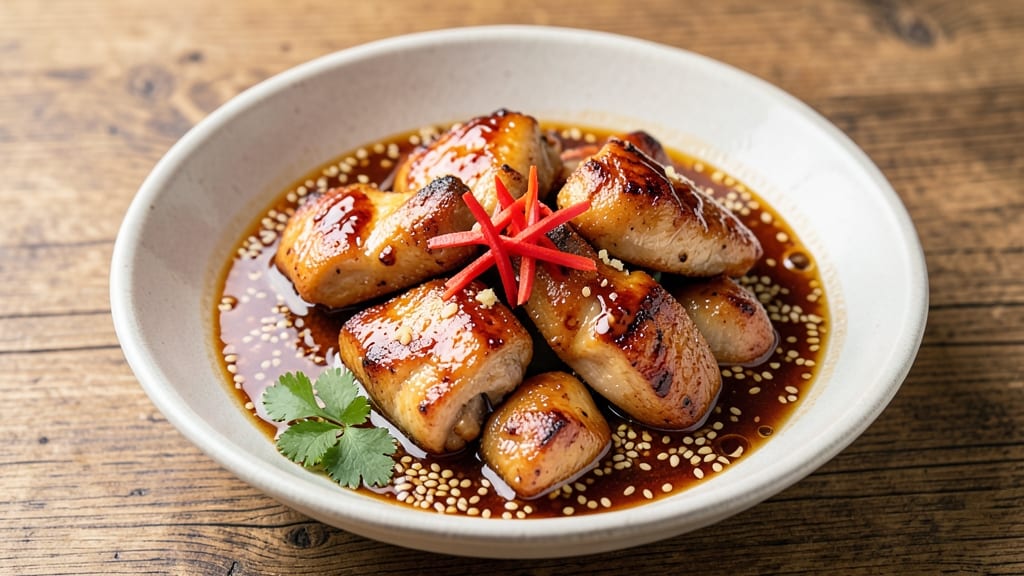
This copycat teriyaki chicken recipe delivers the same glossy, caramelized sauce and tender protein you crave from your favorite Asian restaurant—right in your kitchen.
The secret lies in a precise balance of soy sauce, brown sugar, and ginger, reduced to a thick, sticky perfection that clings to every bite of juicy chicken. After years of perfecting this technique, I’ve cracked the code for achieving that signature restaurant-quality shine without the guesswork.
The process starts with marinating chicken thighs in a flavor-packed blend of soy, mirin, and garlic, ensuring deep penetration before they’re seared to a golden finish. Then comes the sauce—simmered until it thickens into a velvety glaze that caramelizes beautifully when brushed on.
High heat is key here, as it transforms the sauce from ordinary to extraordinary, creating those coveted sticky ribbons that make every bite irresistible.
What you’ll end up with is crispy, caramelized chicken with a glossy teriyaki glaze that’s rich, slightly sweet, and packed with umami. The sauce doesn’t just coat the chicken—it becomes part of it, delivering a restaurant-worthy experience that’s foolproof and repeatable.
This isn’t just teriyaki; it’s the kind of dish that turns casual weeknights into special occasions.
Serve it over steamed rice or with a side of stir-fried vegetables to complete the meal. The leftovers reheat beautifully, making this a time-saving, flavor-packed solution for busy weeks. Let’s get cooking—your taste buds will thank you.
Ingredients for copycat teriyaki chicken
Restaurant-quality teriyaki starts with these 13 ingredients—simple but powerful for that signature glossy sauce.
| Ingredient | Amount | Notes |
|---|---|---|
| Boneless, Skinless Chicken Thighs 🍗 | 1 ½ lb | Cut into 1-inch pieces for even cooking |
| Low-Sodium Soy Sauce 🥢 | ½ cup | High-quality for balanced flavor |
| Mirin 🍶 | ¼ cup | Sweet rice wine for authentic flavor |
| Brown Sugar 🍚 | ½ cup | Packed firmly, not scooped |
| Fresh Ginger 🌿 | ½ cup | Finely grated, not minced |
| Garlic Cloves 🧄 | 6 cloves | Minced finely for deep flavor |
| Sesame Oil 🫒 | 1 tbsp | Toasted sesame oil for aroma |
| Rice Vinegar 🍶 | 1 tbsp | White rice vinegar preferred |
| Extra-Virgin Olive Oil 🫒 | 1 tbsp | For searing chicken |
| Cornstarch 🌾 | 1 tbsp | For thickening sauce |
| Water 💧 | ¼ cup | Room temperature for mixing |
| Diamond Crystal Kosher Salt 🧂 | ½ tsp | For seasoning |
| Freshly Ground Black Pepper 🌶️ | ¼ tsp | For balanced seasoning |
The chicken thighs are non-negotiable—bone-in, skin-on gives the best flavor, but boneless works too (just add 5 minutes to cooking time). Trader Joe's or Asian markets often carry pre-cut thighs, but if buying whole, trim the skin for less grease. For the soy sauce, Kikkoman or Lee Kum Kee are reliable; avoid reduced-sodium if you want that deep umami punch. Fresh ginger and garlic? Buy them at the peak of freshness—ginger should smell citrusy, garlic bulbs should feel heavy for their size. The mirin is where authenticity lives: Hondashi or Sapporo brands deliver that perfect sweetness without overpowering.
No mirin? Substitute 1 tbsp honey plus 1 tbsp dry sherry—it’s not identical, but it works. Running out of sesame oil? Toasted peanut oil adds a different but still delicious nutty note. The cornstarch is key for that glossy finish—don’t skip it, even if you’re tempted to use flour (it’ll make the sauce cloudy). For the brown sugar, light or dark doesn’t matter, but pack it firmly into the measuring cup. The rice vinegar adds brightness—substitute apple cider vinegar if needed, but taste first. Pro tip: Toast the garlic and ginger in the oil for 30 seconds before adding other ingredients—this deepens their flavor exponentially.
This sauce reheats like a dream—simmer for 2-3 minutes on the stove, stirring constantly, until it’s glossy again. Store leftovers in the fridge for up to 5 days, covered tightly (the sauce will thicken further). For freezing, portion into ice cube trays—thaw and reheat just what you need. The chicken? Eat within 2 days for best texture, but the sauce keeps for weeks. Double the recipe? It’s worth it—teriyaki chicken freezes beautifully, and you’ll have restaurant-quality takeout ready in minutes.
Why You'll Love This Recipe
- This recipe works everywhere: a quick weeknight dinner, packed in bento boxes, or even as a potluck crowd-pleaser. The thighs stay juicy when reheated, so leftovers are just as good as day one. (Yes, even on a Tuesday night.)
- Fewer Ingredients, Same Magic: I swear by this recipe because it nails the restaurant version with just five core ingredients—no weird substitutions. That balance of mirin and brown sugar? It’s what makes the sauce sing without overpowering the chicken. Plus, fresh ginger adds a zing that store-bought sauces miss.
- Sticky-Sweet Perfection: The sauce caramelizes right on the thighs—no drizzling required. That crispy edge with the creamy center? It’s the kind of bite that makes you close your eyes mid-bite. Honestly, I’ve tried other teriyaki recipes, but this one stays sticky-sweet without tasting cloying.
- Weeknight to Potluck Hero: This recipe works everywhere: a quick weeknight dinner, packed in bento boxes, or even as a potluck crowd-pleaser. The thighs stay juicy when reheated, so leftovers are just as good as day one. (Yes, even on a Tuesday night.)
Step-by-step instructions for copycat teriyaki chicken recipe
This method delivers that signature sticky, caramelized sauce that makes every bite irresistible.
Prep the Chicken and Make the Marinade
Cut the 1.5 lb boneless, skinless chicken thighs into 1-inch pieces for even cooking. In a large bowl, combine the 0.5 cup low-sodium soy sauce, 0.25 cup mirin, 0.5 cup brown sugar, 0.5 cup finely grated fresh ginger, 6 minced garlic cloves, 1 tablespoon rice vinegar, and 0.5 teaspoon diamond crystal kosher salt. Mix until the sugar dissolves completely—this ensures a smooth, glossy sauce later.
Add the chicken pieces to the marinade and toss gently to coat evenly. Let it marinate for at least 30 minutes (up to 2 hours for deeper flavor). The longer it sits, the more tender and flavorful the chicken becomes. I like to cover the bowl and refrigerate while I prep the sauce base—this keeps everything ready for quick cooking.
Sear the Chicken for Maximum Flavor
Heat 1 tablespoon extra-virgin olive oil in a large skillet over medium-high heat until shimmering. Remove the chicken from the marinade (reserve the marinade in a bowl) and pat it dry with paper towels—this step is crucial for a good sear. Working in batches if needed, add the chicken to the skillet and cook for 3-4 minutes per side until golden brown and cooked through to 165°F internally.
As the chicken sears, you'll smell that irresistible aroma developing. Don't overcrowd the pan—this ensures each piece gets properly browned. Transfer the cooked chicken to a plate and tent loosely with foil to keep warm. The residual heat will help it stay juicy while you finish the sauce.
Build the Sauce from Scratch
Pour the reserved marinade into the same skillet (no need to clean it—the browned bits add depth). Bring to a simmer over medium heat and cook for 5-6 minutes, stirring occasionally, until the liquid reduces by about half and thickens slightly. This step develops the sauce's complex flavor profile—you'll see it darken and smell even more enticing.
In a small bowl, whisk together 1 tablespoon cornstarch and 0.25 cup room-temperature water until smooth. Slowly pour this slurry into the simmering sauce while stirring constantly. The sauce will thicken dramatically within 1-2 minutes—this is where it transforms from a simple marinade into that signature glossy teriyaki. If it thickens too quickly, add 1 tablespoon water to adjust the consistency.
Finish with Sesame Oil and Serve
Return the seared chicken to the skillet and spoon the sauce over it, coating evenly. Let it simmer together for 2-3 minutes so the chicken absorbs the sauce's rich flavors. Drizzle with 1 tablespoon toasted sesame oil and 0.25 teaspoon freshly ground black pepper, then toss gently to combine.
Serve immediately over steamed rice, garnished with extra sesame seeds if desired. The sauce should be thick enough to coat the back of a spoon but still glossy and sticky. Each bite delivers perfect balance—tender chicken with that perfect caramelized teriyaki glaze. For extra drama, broil for 1-2 minutes before serving to intensify the caramelization.
Pro Tips For Making Copycat Teriyaki Chicken
- Sear the Chicken First: Hit the pan with medium-high heat and let those thighs develop a crust before adding sauce—this isn’t just for flavor, it’s the only way to lock in juices. I used to skip this, and my chicken turned out soggy and bland. Two minutes per side, no rushing.
- Grate That Ginger: Skip the minced or pre-grated jarred ginger—it’s mushy and loses punch. Use a microplane or fine grater for fresh ginger, then let it sit in the sauce for 5 minutes before cooking. The oils will soften it just enough to blend in smoothly without bitterness.
- Don’t Boil the Sauce: Simmer the teriyaki sauce low and slow—if you let it bubble hard, the mirin and sugar will turn it into a sticky, cloying glaze instead of a balanced sauce. Keep it at a gentle simmer, and stir occasionally to prevent scorching.
- Thicken with Cornstarch: If your sauce is too thin after cooking, mix 1 teaspoon cornstarch with 1 tablespoon cold water, then stir it in at the end. It’ll coat the chicken beautifully without altering the flavor. I learned this after slathering my chicken in a watery sauce that dripped everywhere.
Creative variations of this copycat teriyaki chicken
Spicy Sesame Kick
For heat lovers, add 1 tbsp gochujang (Korean chili paste) or 1 tsp sriracha to the marinade for a smoky-spicy twist. I like to balance it with 1 tsp honey to keep the sweetness intact.
Finish with a sprinkle of toasted sesame seeds and 1 tsp chili crisp for extra crunch and heat. This version works amazingly with bone-in chicken thighs for deeper flavor penetration. 🌶️
Honey-Glazed Version
Swap out the brown sugar for ½ cup honey and reduce the mirin to 2 tbsp for a sweeter, more fluid sauce. Simmer the sauce longer—8-10 minutes—until it reaches a syrupy consistency.
The result? A glossy, sticky glaze that’s perfect for drizzling over steamed bok choy or rice noodles. I love serving this with a side of quick-pickled cucumbers to cut the sweetness. 🍯
Ginger-Garlic Bomb
Double the garlic to 12 cloves and triple the ginger to 1.5 cups for an ultra-aromatic version. Toast the garlic and ginger in the oil for 1 full minute until fragrant before adding other ingredients.
This version pairs beautifully with shredded cabbage slaw and a sprinkle of crushed peanuts for texture. The extra ginger adds a zesty kick that keeps the dish vibrant. 🧄
Sweet Potato Twist
Roast 1 cup diced sweet potato alongside the chicken for a fall-inspired variation. Toss the sweet potatoes in 1 tbsp olive oil, ½ tsp smoked paprika, and ½ tsp salt, then roast at 400°F for 20 minutes while the chicken cooks.
The natural sweetness of the potatoes complements the teriyaki perfectly, making this a cozy, hearty meal. 🍠
Miso-Infused Depth
Stir 2 tbsp white miso paste into the sauce during the simmering step for an umami-rich depth. This works especially well with chicken breast (cut into strips) instead of thighs.
The miso adds a subtle fermented note that elevates the dish to restaurant-quality levels. Garnish with thinly sliced scallions for freshness. 🍶
Slow-Cooker Adaptation
For a hands-off version, marinate the chicken as directed, then transfer everything (including the marinade) to a slow cooker. Cook on LOW for 4-5 hours or HIGH for 2-3 hours. Before serving, thicken the sauce by simmering it in a skillet with the cornstarch slurry.
This method keeps the chicken juicy and tender while the sauce develops rich, complex flavors. Perfect for busy weeknights! ⏳
Nutrition facts
Frequently asked questions
Can I use chicken breast instead of thighs for this recipe?
Yes, but you’ll need to adjust the cooking time. Chicken breast cooks faster and can dry out, so cut it into ½-inch thick strips and cook for only 2-3 minutes per side until it reaches 165°F internally. Marinate for at least 1 hour to keep it tender. For extra juiciness, add 1 tbsp honey to the marinade to help retain moisture.
Why does my teriyaki sauce turn out too thin?
The most common reason is not reducing the sauce long enough. Simmer the sauce uncovered for 8-10 minutes to thicken it properly. If it’s still too thin, whisk in 1 tsp cornstarch mixed with 1 tbsp water and cook for another 2 minutes. Avoid adding too much water or marinade at once—this dilutes the flavor.
Can I make this recipe in an air fryer?
Toss the marinated chicken pieces in the air fryer basket and cook at 375°F for 12-15 minutes, shaking the basket halfway. For the sauce, reduce it in a small saucepan as directed, then toss the cooked chicken in the sauce for 1-2 minutes to coat. The air fryer gives a crispy texture without deep-frying.
How do I store and reheat leftovers?
Store the chicken and sauce separately in airtight containers in the fridge for up to 4 days. To reheat, warm the sauce in a skillet over medium heat until it’s glossy again (2-3 minutes), then add the chicken and heat through. For extra shine, drizzle with ½ tsp sesame oil before serving. The sauce thickens when chilled, so thin with 1 tsp water if needed.
What’s the secret to getting that glossy, restaurant-style finish?
The key is high heat and the cornstarch slurry. After searing the chicken, reduce the sauce until it’s syrupy, then thicken it with the cornstarch mixture. For extra shine, simmer the sauce uncovered for 1-2 minutes longer to caramelize the sugars. A quick brush of toasted sesame oil right before serving adds that final glossy touch.